Museum as a carrier of circular glass production – the case of The Gua Sha product by Rudolph Care
Museum as a carrier of circular glass production – the case of The Gua Sha product by Rudolph Care
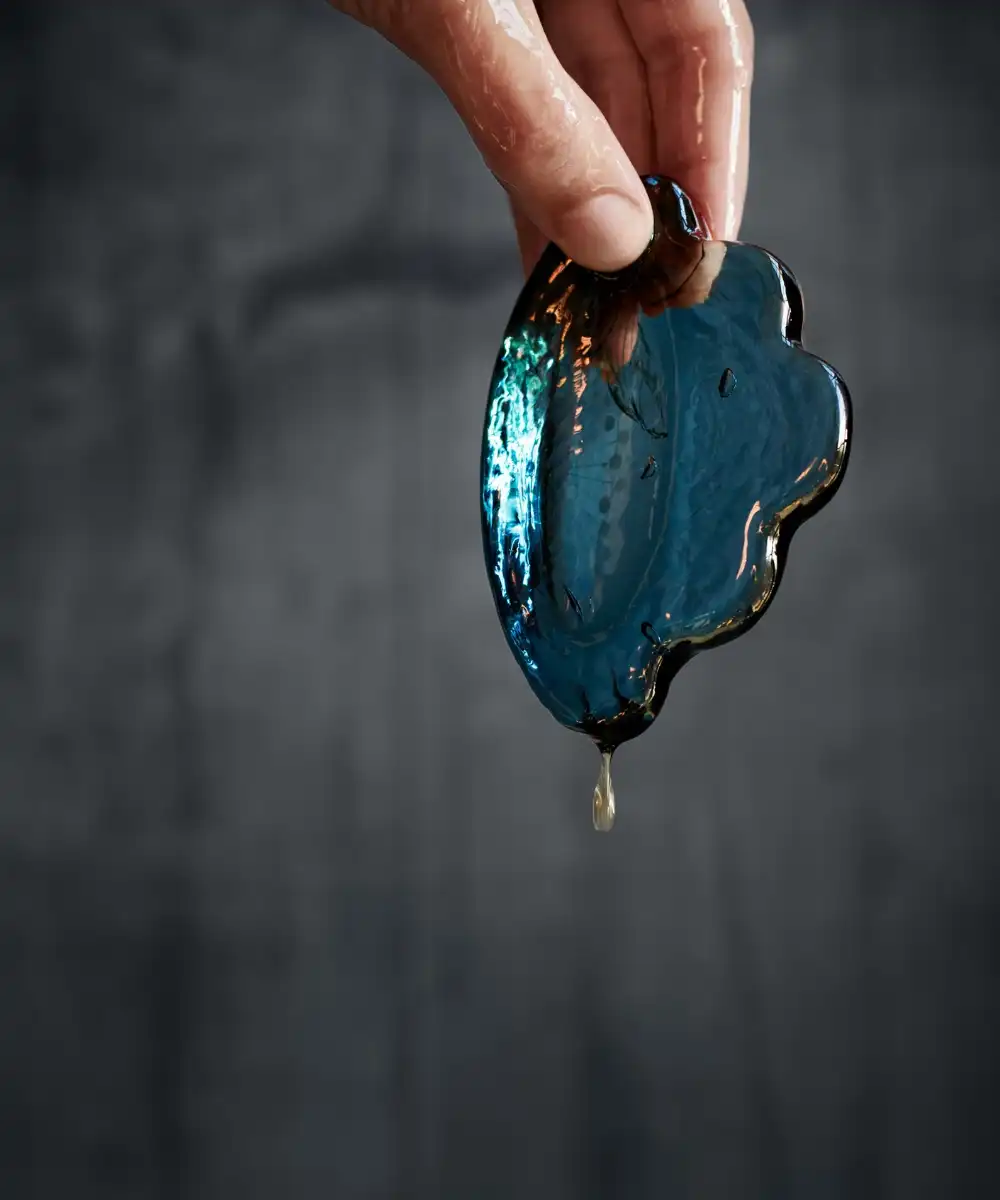
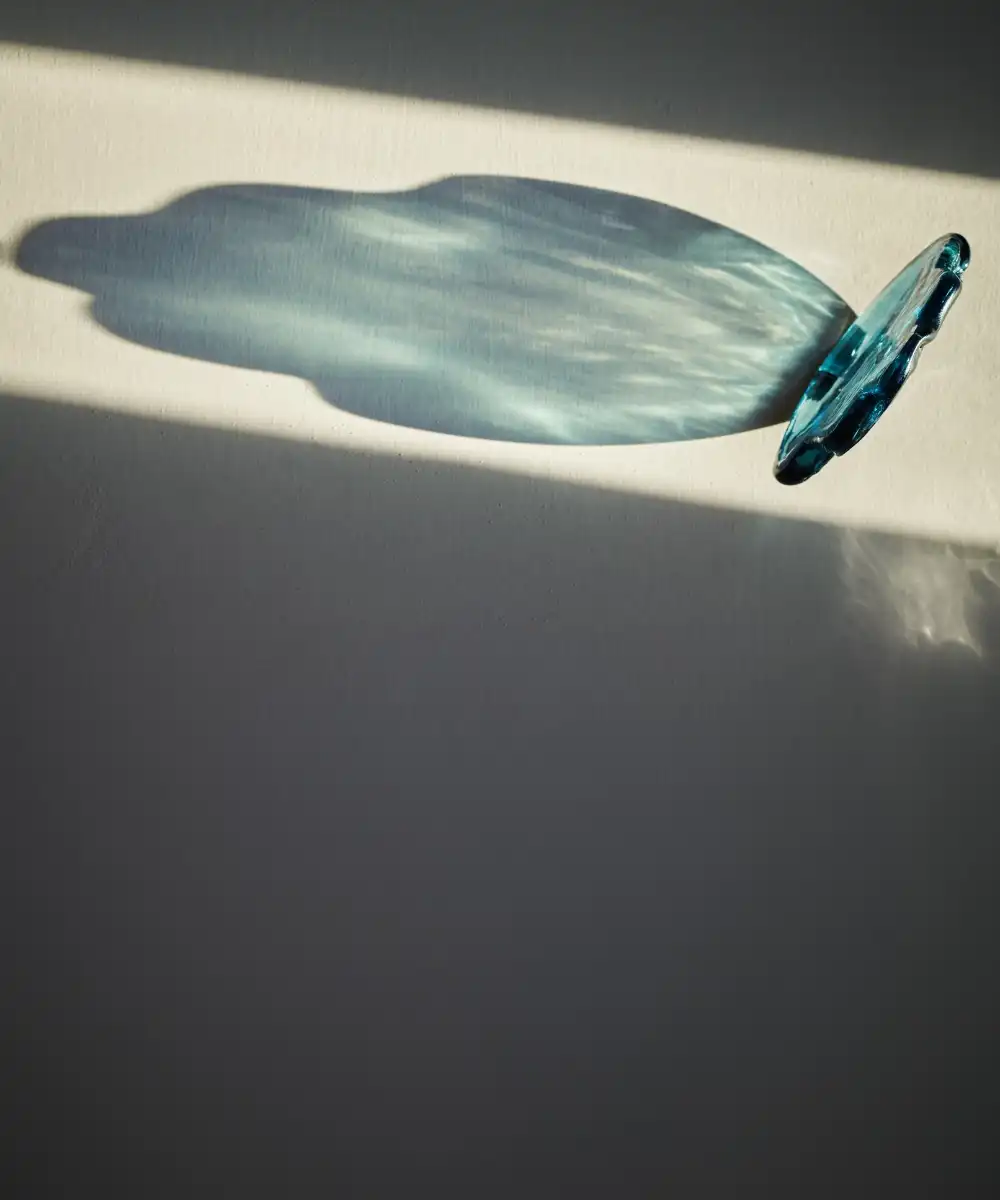
Gua Sha, a Rudolph Care product, made from recycled glass; design and production: Holmegaard Værk & Rudolph Care || photo: courtesy of Rudolph Care
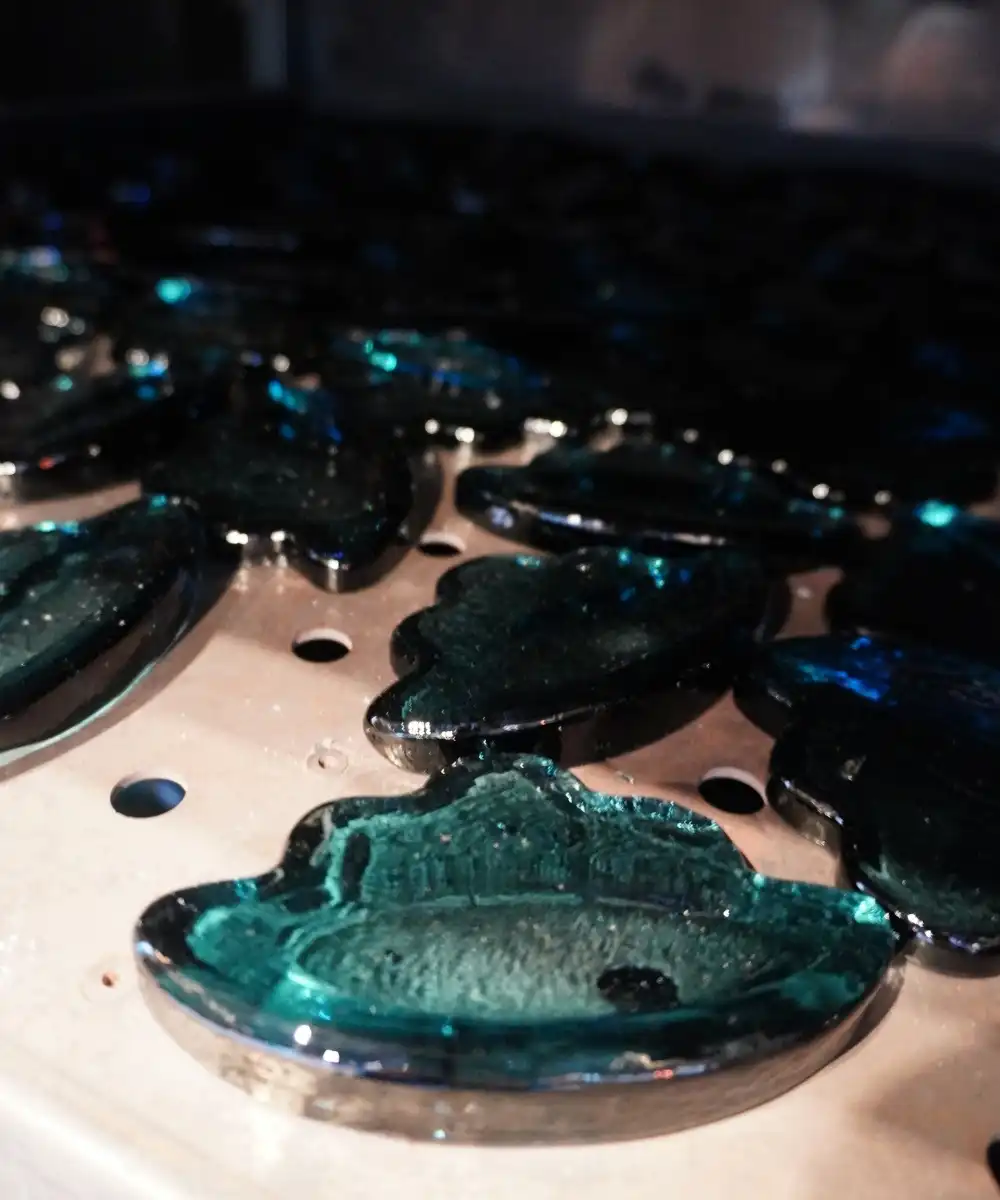
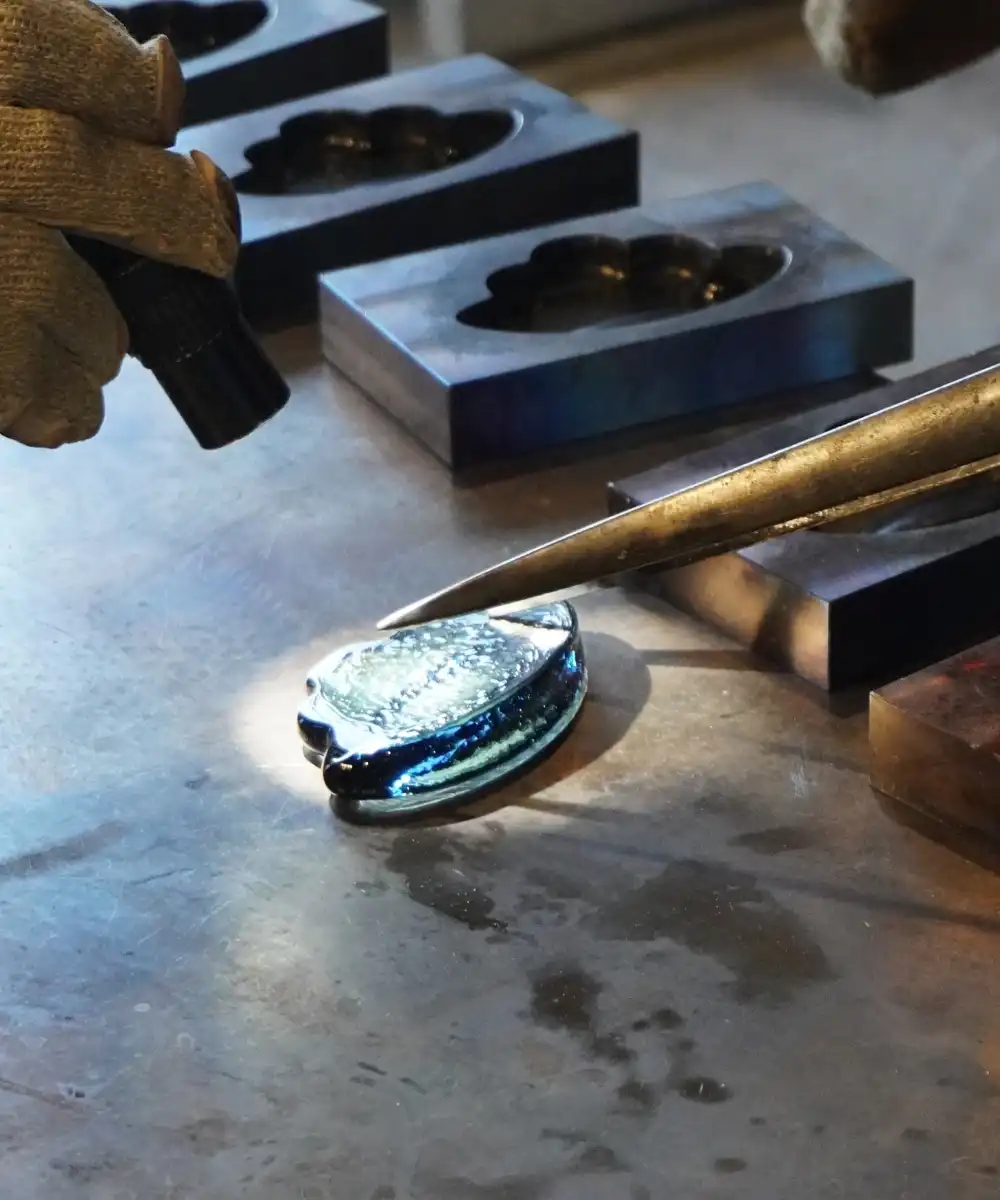
In 2023, this company received a large shipment of glass lamps from a foreign supplier that failed to meet the company’s exacting standards. Rather than discarding them, the firm commissioned the museum’s studio to remelt the glass and transform it into a new product for Rudolph Care, a brand synonymous with luxury, responsibility, and environmentally conscious skincare (Allouche, 2025). Therefore, throuhout 2024, artisans at Holmegaard Værk have hand-shaped this recycled material into The Gua Sha – a multifunctional product inspired by traditional Chinese medicine.
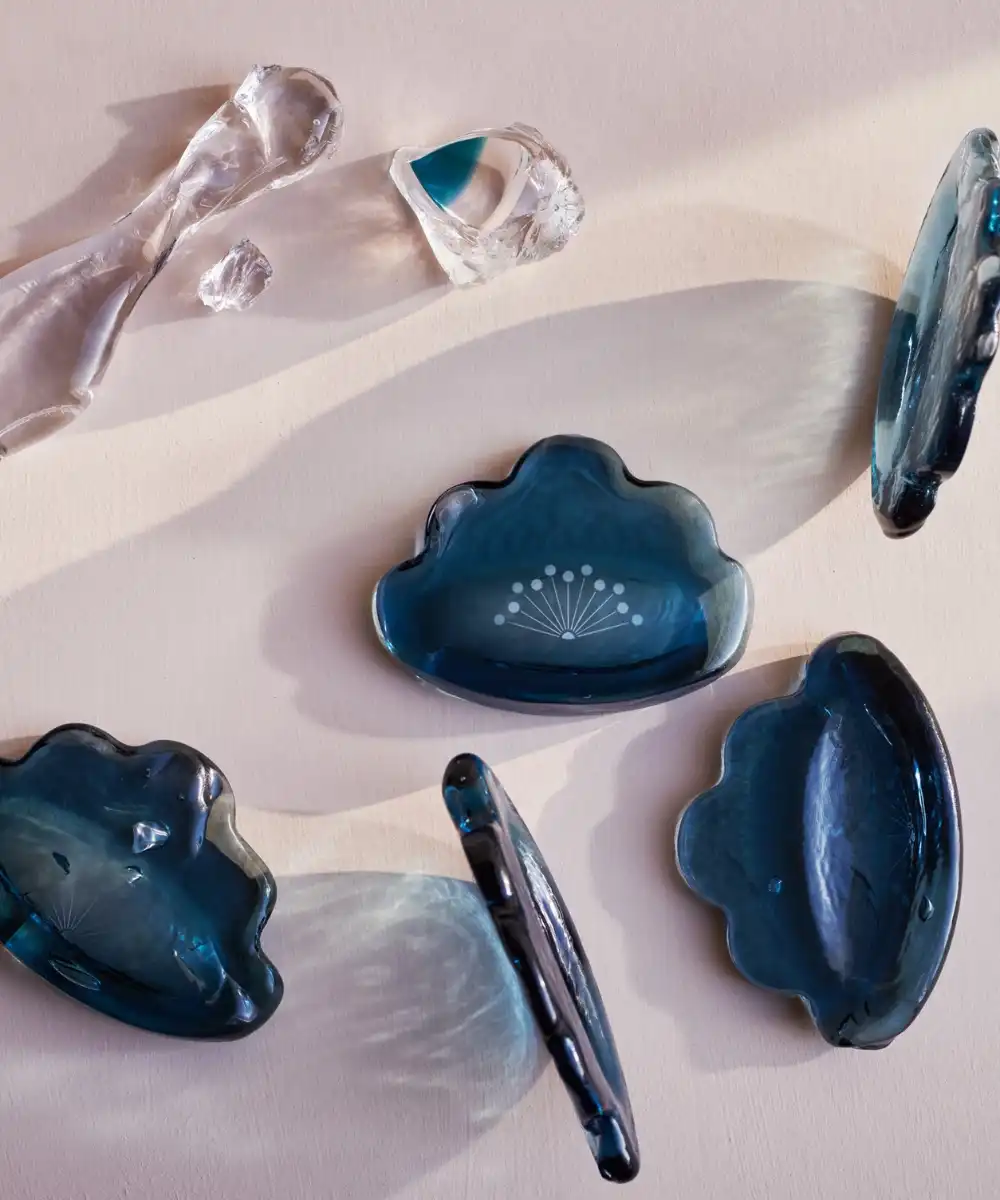
Although presented primarily as a tool for facial and body scraping, the Gua Sha easily doubles as a tray for small jewellery, a paperweight, or a standalone decorative object. It is sold chiefly as an instrument for the traditional Chinese massage technique of the same name. In Chinese, gua means scraping, while sha refers to the reddish skin that appears after treatment. According to traditional Chinese medicine, this redness signals the release of “blockages” – blood stagnation and muscle tension – and the stimulation of circulation. The tool can be used across the body (neck, shoulders, face, and more), with the effects varying depending on pressure, hand movement, and the choice of cosmetic medium such as oils or creams.
That in itself is beautiful, if you ask us.
– Rudolph Care
Simple yet thoughtfully envisioned and crafted, this product demonstrates the business advantages and creative possibilities that emerge organically when partners share the same values and development priorities – in this case, a commitment to human wellbeing and to the health of our natural and social environments. Such principles inspire cross disciplinary business strategies that align with socially responsible ways of living.
The company behind this initiative, Rosendahl Design Group (RDG), is closely connected to Holmegaard Værk. When the historic glass factory Holmegaard Glassworks – whose legacy the museum now preserves – went bankrupt in 2008, RDG acquired the entire factory archive of samples and donated it to the newly forming museum. Today, it forms the core of the institution’s collection. RDG also purchased the Holmegaard brand and began designing glassware – glasses, vases, decorative objects – inspired by the factory’s heritage, approach, and design tradition. While these products are made abroad due to the high cost of manufacturing in Denmark, the Holmegaard brand remains vital to the continuity of Danish glassmaking because household glassware is now produced only by small artistic studios in limited series, while the country’s sole remaining factory, Ardagh Glass Holmegaard, manufactures only packaging glass.
The company behind this initiative, Rosendahl Design Group (RDG), is closely connected to Holmegaard Værk. When the historic glass factory Holmegaard Glassworks – whose legacy the museum now preserves – went bankrupt in 2008, RDG acquired the entire factory archive of samples and donated it to the newly forming museum. Today, it forms the core of the institution’s collection. RDG also purchased the Holmegaard brand and began designing glassware – glasses, vases, decorative objects – inspired by the factory’s heritage, approach, and design tradition. While these products are made abroad due to the high cost of manufacturing in Denmark, the Holmegaard brand remains vital to the continuity of Danish glassmaking because household glassware is now produced only by small artistic studios in limited series, while the country’s sole remaining factory, Ardagh Glass Holmegaard, manufactures only packaging glass.
The Holmegaard Værk glass museum, opened in 2020 in Fensmark on the site of the former glassworks, places equal emphasis on sustainable development. While its permanent exhibition presents the region’s artisanal and industrial glass heritage in a contemporary and engaging way, the museum also runs a glassmaking studio, a gallery for temporary exhibitions, a community-focused events centre, public lectures and workshops, a restaurant and café, a shop, and even a small tourism office with an information centre promoting the natural and cultural resources of the surrounding area.
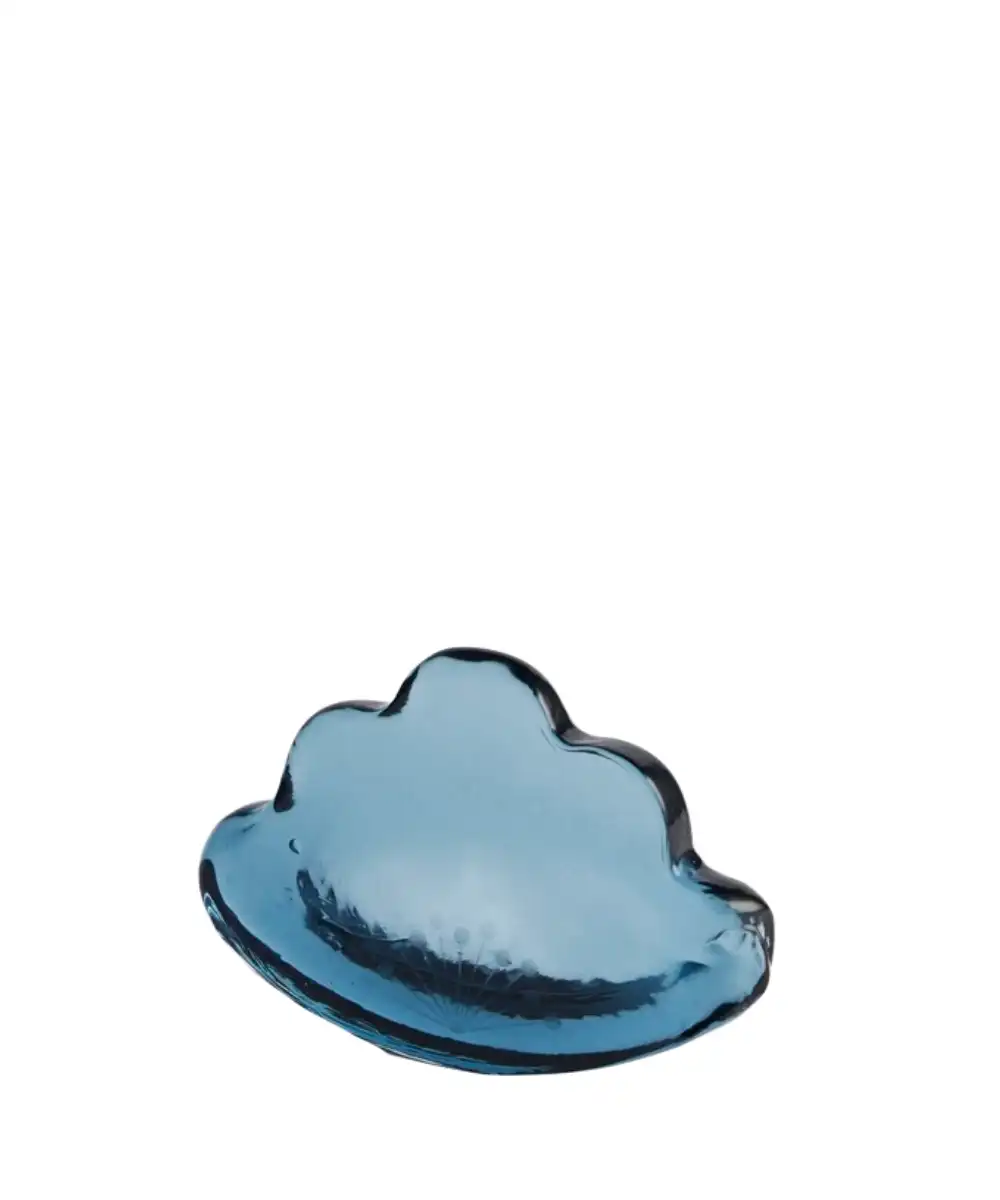
The Gua Sha massager is the first successful example of this practice. It aligns seamlessly with the philosophy of Rudolph Care, a brand of natural, certified skincare that champions clean formulas, ethically sourced ingredients, and thoughtful design. Instead of the usual mass-produced plastic tools, Rudolph Care can now offer a handcrafted and socially responsible alternative. This brand is also a B Corporation, holding two important certifications – Ecocert COSMOS Organic (guaranteeing natural and organic ingredients) and the Nordic Swan Ecolabel (ensuring sustainable packaging and environmental responsibility).
The Gua Sha massager is the first successful example of this practice. It aligns seamlessly with the philosophy of Rudolph Care, a brand of natural, certified skincare that champions clean formulas, ethically sourced ingredients, and thoughtful design. Instead of the usual mass-produced plastic tools, Rudolph Care can now offer a handcrafted and socially responsible alternative. This brand is also a B Corporation, holding two important certifications – Ecocert COSMOS Organic (guaranteeing natural and organic ingredients) and the Nordic Swan Ecolabel (ensuring sustainable packaging and environmental responsibility).
Reference
- Allouche, J. (2025). Made at Holmegaard Works 2024.Holmegaard Works: Internal document
- Facebook, Rudolph Care. (online). https://www.facebook.com/rudolphcare
- Jovičić, S. & Mijalković, I. (online). Muzej staklarstva Holmego Vaerk. Paraćin: Creative Glass Serbia.
- Rosendahl Design Group. (online). https://www.rosendahl.com
- Rudolph Care. (online). https://www.rudolphcare.com/

This edition is the part of the programme “Glassmaking Tradition Meets Innovation” funded by the European Union. Views and opinions expressed are however those of the author(s) only and do not necessarily reflect those of the European Union or the European Education and Culture Executive Agency (EACEA). Neither the European Union nor EACEA can be held responsible for them.