Meta Mramor’s glass:
Fragile and magnificent as the human being
Meta Mramor’s glass: Fragile and magnificent as the human being
Meta Mramor is a young glass artist and designer from Slovenia, whose work began attracting attention from the professional art community while she was still a student. Exploring personal experiences of discomfort and fear, particularly in relation to intimacy, the body, and the vulnerability of the soul, she has articulated her artistic expression in a field where glass, design, and sculpture intersect.
Glass, as a material, is fragile yet majestic at the same time. Its characteristics enable me to fully identify with it and use it as a medium to convey my thoughts and emotions to the outside world. Its transparency allows glimpses into the inner space of the object, as if someone is peeking into my soul.
– Meta Mramor, for Fusion 2024
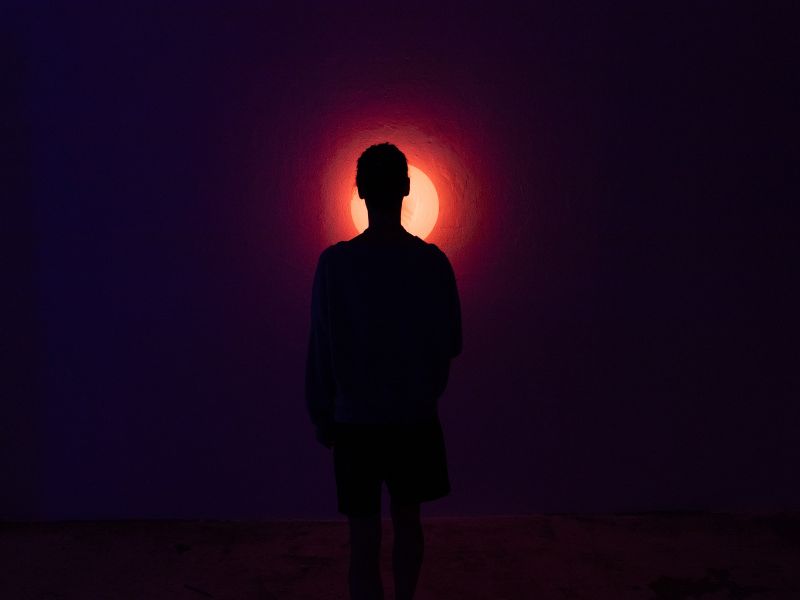
Early steps: Glass as a mirror of the inner world
Already during her undergraduate studies in glass and ceramics at ALUO, under the mentorship of Professor Tanja Pak, Meta Mramor created several notable works – Equilibrium, Self-Portrait, and Meteorites – which were exhibited across Slovenia. For her final project, Anxious World of Intimacy, she was awarded the prestigious Prešeren Student Award for the Arts (2020).
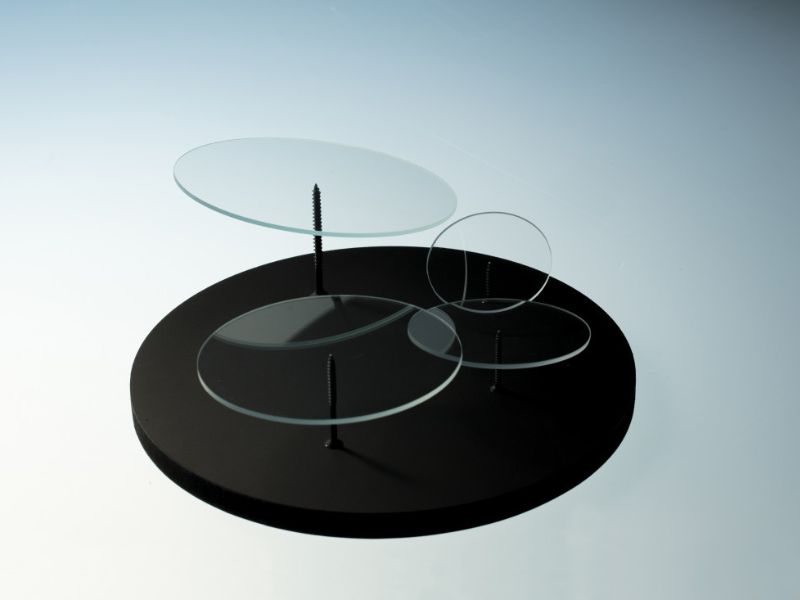
With Equilibrium, she created the impression of the impossible, stabilising sheets of glass atop a metal screw, while her other works demonstrated her interest in casting techniques and in exploring the materiality of glass as a reflection of the tension between a person’s outer and inner world. Opposite the solid, defined form of glass lies its fluid, unpredictable, and chaotic interior – much like a human being, who may appear stable on the outside but remains inaccessible, irrational, and vulnerable on the inside. Glass drew her in also because, unlike clay, it can never be shaped directly by hand but only by using tools. It remains largely elusive, unexplored, and unknown, turning the act of working with it into a challenge akin to one of humanity’s greatest goals – understanding oneself.
The work [Self-Portrait] was created using the lost-wax technique. The casting process in crystal glass took a month to complete. In my further studies, I aim to explore casting in greater depth, especially hollow forms, which present a significant technical challenge.
– Meta Mramor, for Argo, 2020.
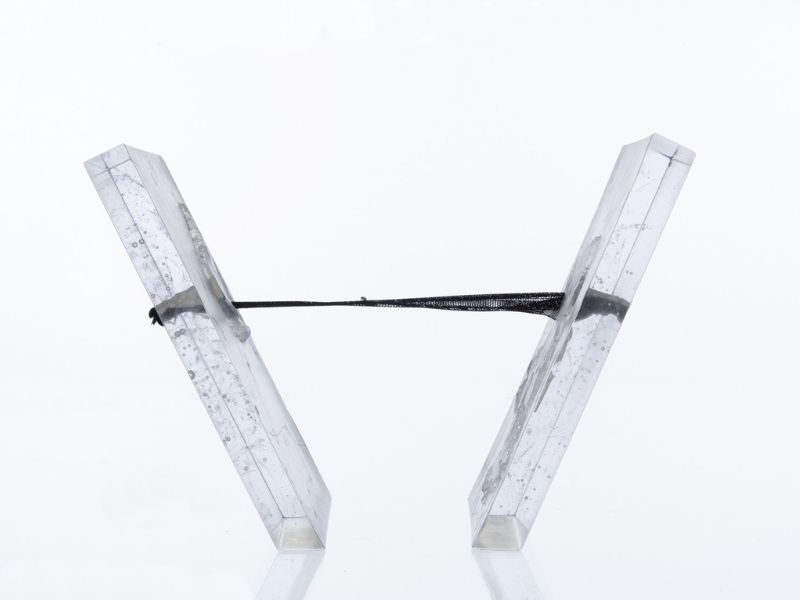
She expressed her anxious world of intimacy through two glass panels that tend to part but remain connected by a black fabric looking like a piece of fishnet stockings. This embodied her feelings of anxiety, which arise when she reveals too much of herself and places too much trust in another person. In these moments, she seeks “the boundary to which I can open myself without losing myself.” This work was exhibited at several important events – European Glass Context 2021 (Denmark), May Salon 2022 in Maribor, and the Along the Glass Trail conference-exhibition in 2022 at the National Museum of Slovenia, marking the International Year of Glass.
Immediately after completing her bachelor studies, she held a solo exhibition, In Search Of (2021), at Cankarjev Dom in Vrhnika. That same year, she was one of eleven young artists featured in Body Ecstatic Body Eclectic Body Eccentric (2021) exhibition, organised by the ULAY Foundation. Dedicated to preserving the artistic legacy of Frank Uwe Laysiepen, to us best known for his collaborative performances with Marina Abramović, the foundation sought experimental audio-visual works and accepted Meta’s piece Under Pressure – a short video inspired by her personal feelings of unease and anxiety during the Covid-19 lockdown.
At that time, she was also a resident artist in the regional programme Rise of Women in culture in the Western Balkans, within which the exhibition Women on Women was held in Brussels. Wishing to highlight the importance of the sense of touch for perceiving and experiencing the world, Meta presented her work Touch Me Gently. She offered the audience a haptic experience, inviting them not only to observe but also to touch her works – glass casts of parts of the female bodies of participants on the residency.
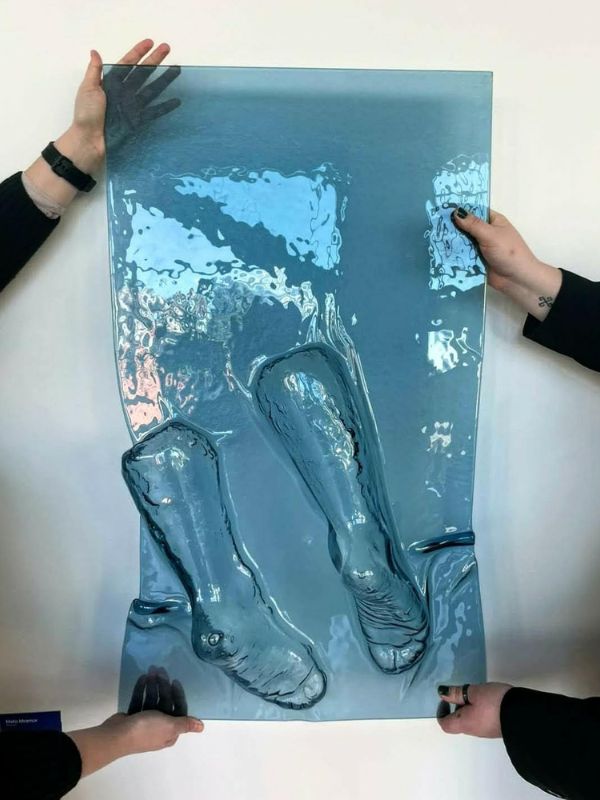
At that time, she was also a resident artist in the regional programme Rise of Women in culture in the Western Balkans, within which the exhibition Women on Women was held in Brussels. Wishing to highlight the importance of the sense of touch for perceiving and experiencing the world, Meta presented her work Touch Me Gently. She offered the audience a haptic experience, inviting them not only to observe but also to touch her works – glass casts of parts of the female bodies of participants on the residency.
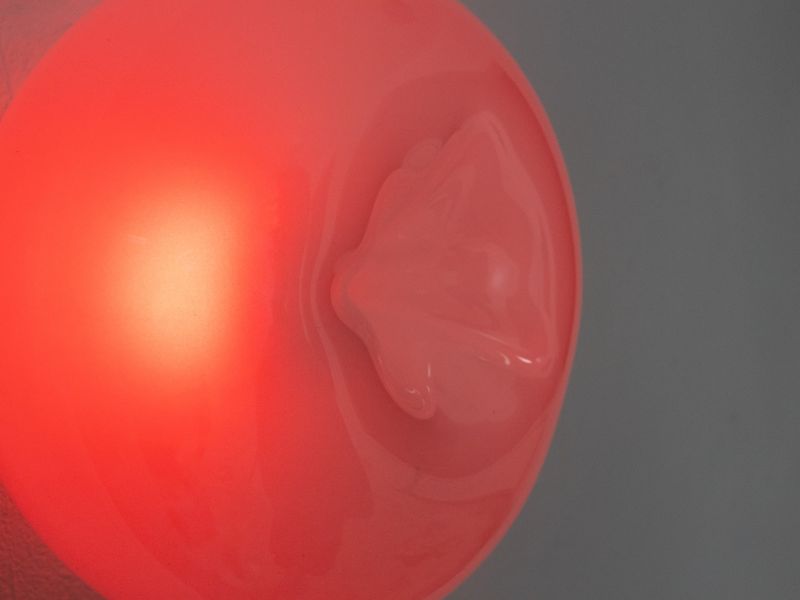
Dialogue with glass: New phase in artistic journey
During her master’s studies at ALUO, Meta Mramor began working on concepts that involved active audience participation, and she started to perceive glass not merely as a medium, but as an equal partner in the creative process. Recognising that identical working methods could yield different results, and that outcomes could never be fully predicted, she came to experience glass as a collaborator, a presence with which she could enter into dialogue. Conceptual works emerged in place of traditional glass pieces, creating connections between three equal subjects – herself, the glass, and the audience.
She spent two semesters studying in the Czech Republic and Germany, learning from renowned practitioners such as Rony Plesl, head of the Glass Studio at the Academy of Arts, Architecture and Design in Prague (UMPRUM). Connecting with colleagues abroad opened many doors for her. Her interactive master’s work, Proximity of Distance (2024), was exhibited at the prestigious Stanislav Libenský International Exhibition in Prague, held annually ahead of the eponymous award.
An international environment stimulates me, awakens my creativity and curiosity, and I therefore believe that I will continue to live abroad for some time, while maintaining close ties with my native Slovenia. I would also like to contribute to the development of artistic glass in the Balkan region, as I believe there is great potential there that is well worth nurturing.
– Meta Mramor, for Creative Glass Serbia, 2026.
An international environment stimulates me, awakens my creativity and curiosity, and I therefore believe that I will continue to live abroad for some time, while maintaining close ties with my native Slovenia. I would also like to contribute to the development of artistic glass in the Balkan region, as I believe there is great potential there that is well worth nurturing.
– Meta Mramor, for Creative Glass Serbia, 2026.
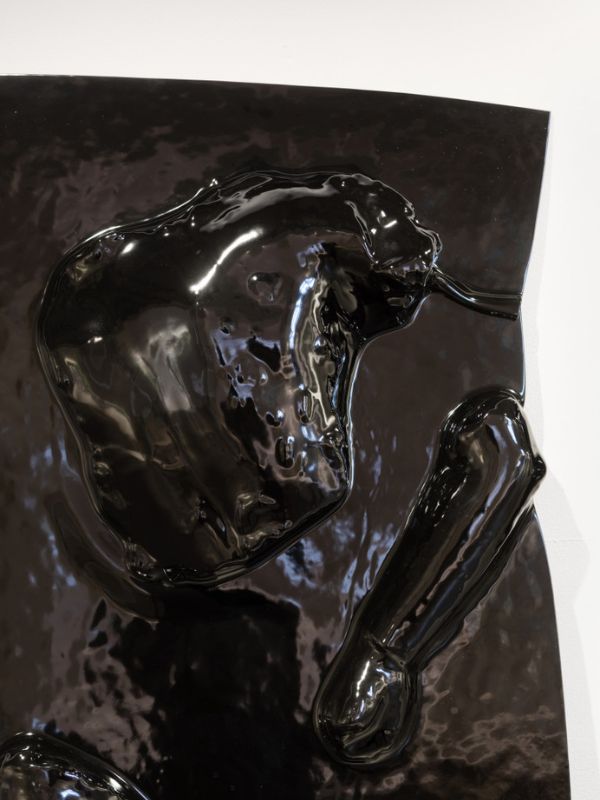
Through the international Colours of Transparency project organised by UMPRUM, she had the opportunity to exhibit her then-current work, Body Image Distortion, in Prague and Lommel (Belgium). It is a cast of her body as she perceived it – imperfect, fragmented, and distorted. This piece comprises two large panels, 180 cm in height, made of black and reflective glass that also functions as a mirror, confronting the viewers with distorted images of themselves.
Venice Glass Week
During her master’s studies, Meta Mramor also became interested in the recyclability of glass. Together with Professor Tanja Pak, she participated in the Cutting Edge scientific conference in 2001, presenting the results of their research on the sustainable renewal of artistic glass production. By elaborating the concept of energy within the context of art practices, they mapped all the necessary input resources for a glass studio and highlighted the advantages of environmentally responsible restoration in glassmaking.
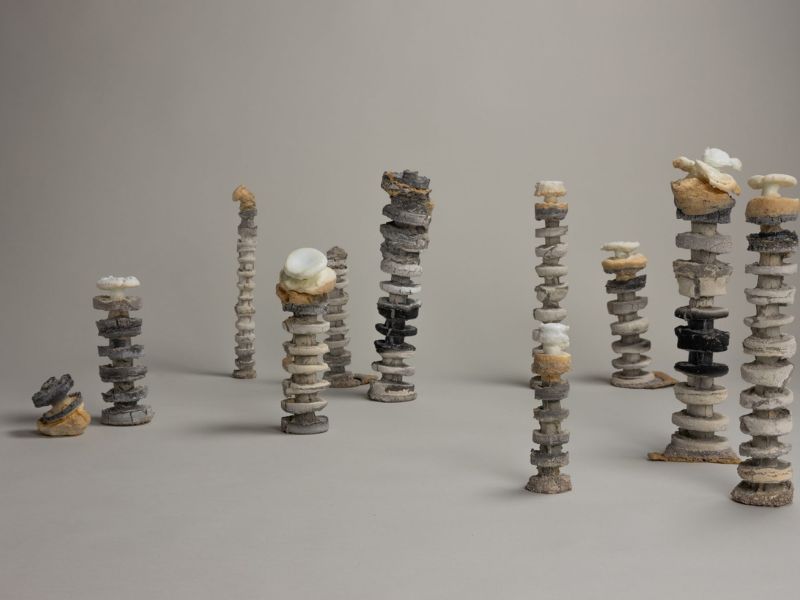
After completing her master’s, she spent a semester as a trainee assistant at the Academy of Arts in Tallinn, participating in the realisation of a range of intriguing projects, such as Ele Kanike’s video series Agentic Glass Landscapes I. The overall environment was also highly conducive to the development of her competences in the sustainable use of glass, as well as to her growing interest in the environmental responsibility of artistic practice – which, in the case of glass, represents a particularly complex challenge. Reading the results of the study Innovation and Development of a New Recycled Glass Material (Oseng-Rees & Donne, 2015), dedicated to the recycling of waste glass, gave her not only an idea but also a valuable practical guide for creating her impressive installation Growth, which she presented at the Venice Glass Week in 2024.
I learned about this research during my student internship at the Glass Department of the Estonian Academy of Arts in Tallinn, which sparked my interest in the subject. At this point, I would like to express my gratitude to the Glass Department, where I assisted as a teaching assistant last spring, as they taught me a great deal – not only about the sustainable use of glass, but also about a broader understanding of both artistic and functional glass. Without their support, the Growth project would not have come into being at all.
– Meta Mramor, for Creative Glass Serbia, 2026.
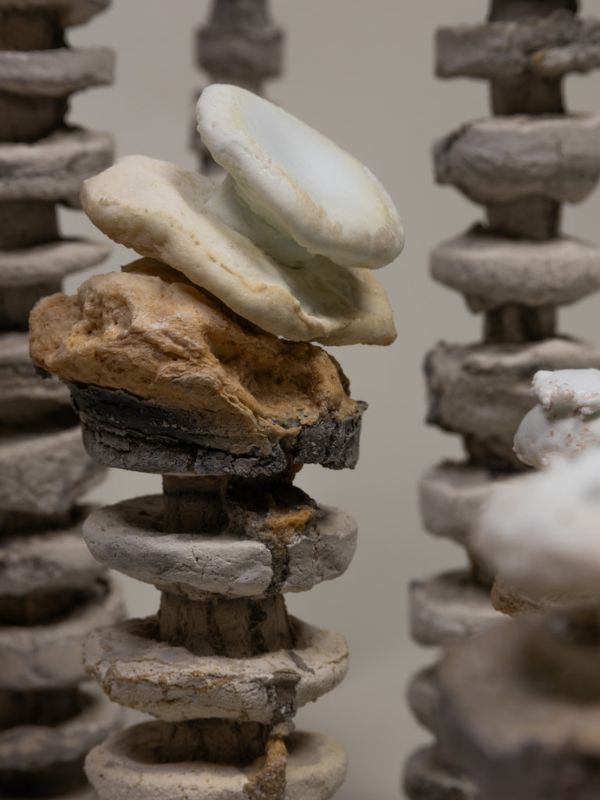
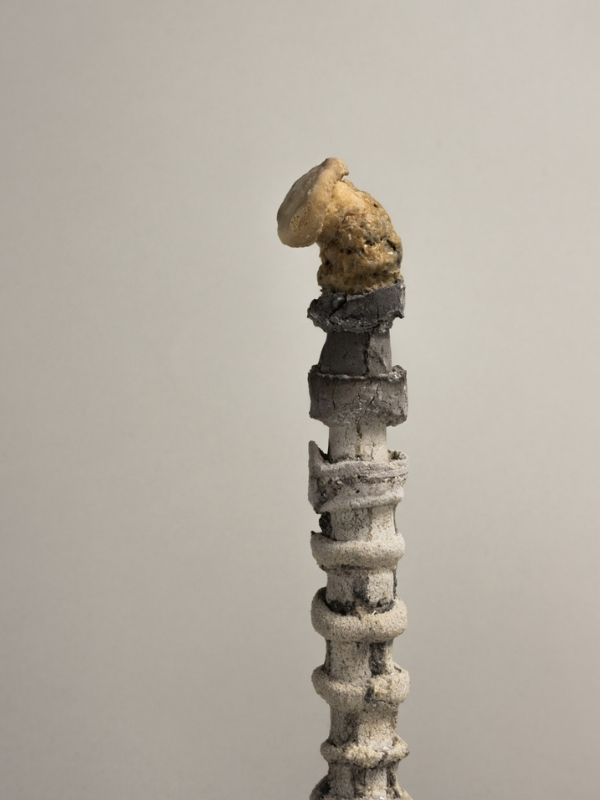
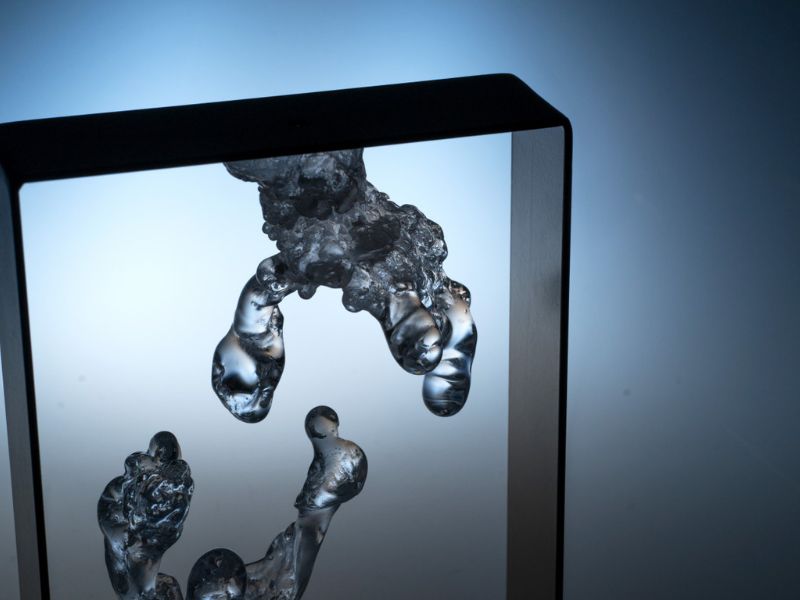
Growth consists of eleven sculptures of varying dimensions, made from reclaimed flat glass using the glass paste technique. She developed the project from the concept of recyclability and a new, more environmentally responsible way of rethinking the traditional technique of kiln-cast glass paste. Seeking to make this process more sustainable and circular, after only three months of testing she discovered that traditional single-use plaster–silica moulds, which become waste after casting, could be replaced with moulds made from other natural and discarded materials suitable for repeated use.
The question I posed through the Growth project was whether the process of casting glass in plaster–silica moulds could be replaced by a different approach that would make the entire process more durable and, ideally, circular and waste-free. The conclusions I reached, and presented in the form of eleven layered sculptures, represent only partial, transitional steps towards an optimised circular mould-casting process for small-scale artistic production.
– Meta Mramor, for Creative Glass Serbia, 2026.
The question I posed through the Growth project was whether the process of casting glass in plaster–silica moulds could be replaced by a different approach that would make the entire process more durable and, ideally, circular and waste-free. The conclusions I reached, and presented in the form of eleven layered sculptures, represent only partial, transitional steps towards an optimised circular mould-casting process for small-scale artistic production.
– Meta Mramor, for Creative Glass Serbia, 2026.
Although the process is circular from the perspective of materials, this unfortunately does not apply to energy consumption. In fact, it is energy-intensive, as the firing took longer than in standard cases. The reason lies in the use of waste glass of unknown origin, which means that its coefficient of thermal expansion (COE) – determining whether different glasses are compatible – are not known. This makes it necessary to adjust the firing programme in order to stabilise the structure as effectively as possible…
– Meta Mramor, for Creative Glass Serbia, 2026.
Nevertheless, by presenting this work at the prestigious Venice Glass Week, she demonstrated the potential of sustainable glass practice to transform and shape a more harmonious relationship between art, environmental responsibility, and the celebration of diversity. While waiting for suitable conditions to continue working on the Growth installation (access to equipment or a residency programme), Meta already has a clear idea of what she would improve and how: she would further research firing programme in order to reduce electricity consumption, and she would shorten the cleaning process by replacing quartz powder with coarser-grained quartz, which could be removed from the glass more quickly.
How should glass art education be reformed?
The ecological aspect is often reduced to lowering energy consumption, for example by cutting down the number of kiln firings, reducing the size of objects, or using water more rationally during coldworking. At the same time, the impact of single-use plaster–silica moulds, the evaporation of synthetic waxes, the use of silicone, and the occasional burning of polystyrene or other artificial materials used for models is largely overlooked.
– Meta Mramor, for Creative Glass Serbia, 2026
With the introduction of a course such as Sustainability and Responsibility in Glass Practices, students would learn to critically assess resource consumption, the use of toxic materials, and waste generation, including the issue of disposable moulds, silicone and synthetic compounds. A course on Health and Safety at Work should also be mandatory, as long-term health risks – from UV radiation to inhalation of harmful particles and fumes – are still underestimated, both among students and teaching staff. Glass recycling itself deserves special attention, not only through theoretical lectures but also through practical exercises and experiments with waste material.
Most makers, myself included, are not aware of the harmful effects of the substances we are exposed to, nor of the health problems that arise from improper use of equipment… The main problem is that most negative effects appear only over time – after several years or even decades – which makes it difficult to convince students, and even established artists, to use protective equipment consistently. Another issue is the high cost of adequate safety gear, for which there is often insufficient funding. Students, who are already in a difficult financial situation, face additional pressure and therefore tend to save precisely on protective equipment, arguing that in the short term there are no lasting health consequences.
– Meta Mramor, for Creative Glass Serbia, 2026.
I am glad that even now there are several glass studios that recognise the importance of safety and sustainability and can serve as good examples to others. It would be interesting to present their views on this topic, to gain insight into their way of thinking and their production processes, and to define together the steps towards a further green transition. Successful real-world examples are an important source of inspiration and encouragement for everyone striving for a more environmentally responsible way of creating.
– Meta Mramor, for Creative Glass Serbia, 2026.
I am glad that even now there are several glass studios that recognise the importance of safety and sustainability and can serve as good examples to others. It would be interesting to present their views on this topic, to gain insight into their way of thinking and their production processes, and to define together the steps towards a further green transition. Successful real-world examples are an important source of inspiration and encouragement for everyone striving for a more environmentally responsible way of creating.
– Meta Mramor, for Creative Glass Serbia, 2026.
Solo Exhibition “Death of the Image”
After completing her master’s studies, Meta was accepted into the Contemporary Glass Society (UK) as well as the increasingly global Glass Art Society (GAS) in the United States. With the support of one of GAS’s scholarships (the Eddie & Angela Bernard Scholarship), she was able to present a large-scale work, Rana, at the CONNECTIONS 2024: GAS Member Exhibition, held during the GAS Conference in Berlin.
Her most significant solo exhibition to date, Death of the Image, was held from March to May 2025 in the Glass Atrium of Ljubljana City Hall. For this exhibition, she presented only four works, but profoundly personal ones, which encapsulate her introspections through glass and her reconciliation with the image of herself as a human being. Alongside the previously mentioned Self-Portrait (2018), which had since broken and was displayed here in its damaged state, and Distorted Body Image (2022, 2023), the audience could also see I’m OK (2023) and Drowning (2024).
Motivated by specific emotional states, all these works were created in different countries and working conditions. In Drowning, she addressed her own emotional exhaustion and psychological burnout, while the I’m OK series comprised drawings engraved in a state of flow, while listening to music. She also exhibited paper documentation, demonstrating that an artist – however oppressed by his position – must rationally plan and manage their work to participate in the contemporary art world, creating the conditions for conceptualisation, production, exhibition, insurance, and export of their pieces. For such a carefully conceived and equipped exhibition, art historian and critic Maša Žekš wrote a highly positive review.
I tend to involve different opacity levels in my creations, using the full spectrum from completely transparent polished crystal to essentially opaque glass, transmitting almost no light. To illustrate the concept of the final work and to get the desired visual effect, I research and use the most appropriate technique.
– Meta Mramor, for Fusion 2024
Entering the world of product design
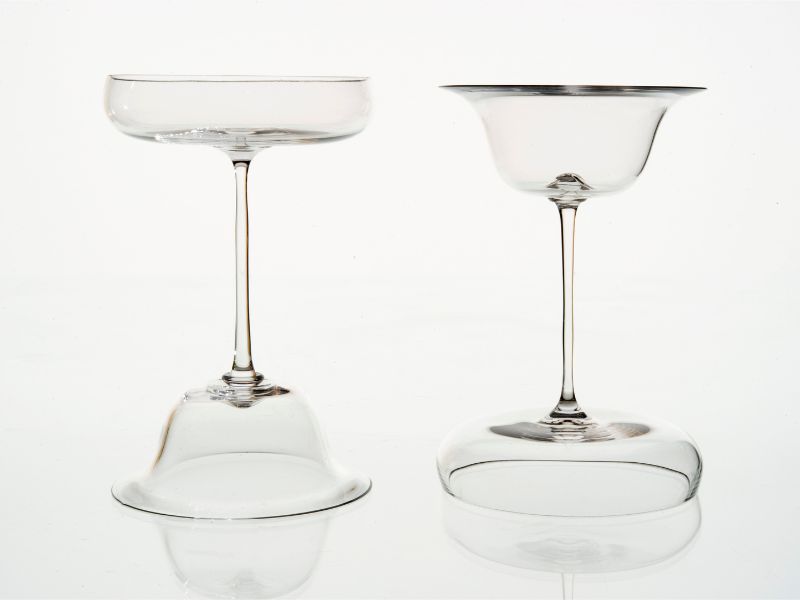
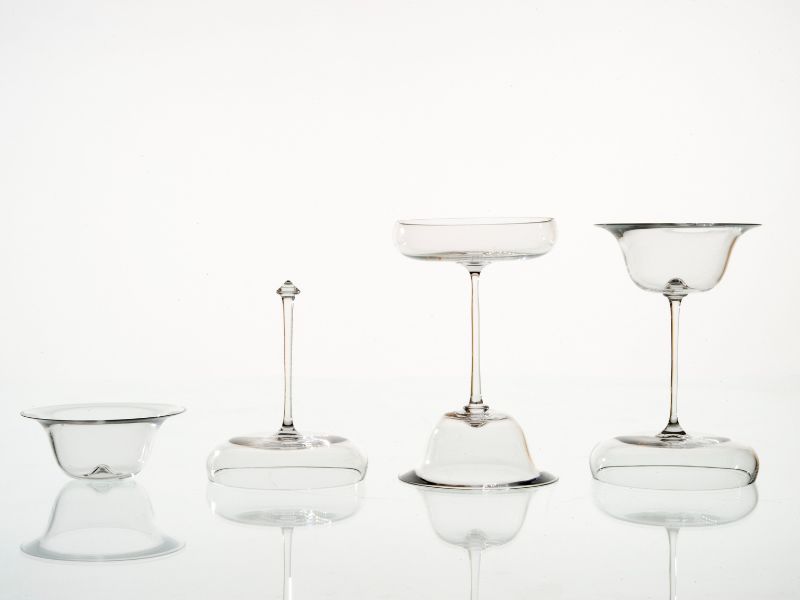
Recently, Meta Mramor has also been making her mark in product design. As part of the reDiscover project, she developed an innovative set of glasses – Martivino – which have been exhibited in Slovenia, Hungary, Poland, and Georgia. In collaboration with the renowned Slovenian crystal manufacturer Rogaška, she created glasses with a dual function, suitable for serving both martinis and wine. They were crafted using traditional hand-blown techniques in wooden moulds, followed by meticulous manual cold finishing. This was her response to the need for design innovation within a well-established glass industry, as well as a commitment to preserving traditional glassmaking techniques, whose irreplaceable role has long been assumed by machines.
Recently, Meta Mramor has also been making her mark in product design. As part of the reDiscover project, she developed an innovative set of glasses – Martivino – which have been exhibited in Slovenia, Hungary, Poland, and Georgia. In collaboration with the renowned Slovenian crystal manufacturer Rogaška, she created glasses with a dual function, suitable for serving both martinis and wine. They were crafted using traditional hand-blown techniques in wooden moulds, followed by meticulous manual cold finishing. This was her response to the need for design innovation within a well-established glass industry, as well as a commitment to preserving traditional glassmaking techniques, whose irreplaceable role has long been assumed by machines.
I cannot imagine limiting myself to just one technique… I have always been fascinated by combining different approaches. For example, I am currently exploring neon bending – making glass tubes for neon lights… Each technique is, in itself, a supreme craft that can be perfected over a lifetime…
– Meta Mramor, for Vogue Adria, 2024
Together with her colleague Marija Staničić, she designed the innovative wine bottle CRUSTA, which they submitted for the Glassberries Design Award 2022, organised by the Portuguese glass packaging company BA Glass. The company sought new solutions to enhance wine packaging through digitalisation, and the duo proposed a bottle connected to a digital app, guiding consumers to recipes for matching foods and nearby restaurants. The idea was well received, and they were awarded an honorary mention by Symington Family Estates.
Meta also successfully passed the selection process for the field of unique glass jewellery, exhibited at The Biennial of Contemporary Glass Jewellery FUSION 2024. The jury, seeking original designs inspired by nature, identity, and sustainability, received submissions from 87 artists across Europe. Only 30 were selected, including Meta Mramor’s. Her extraordinary jewellery piece – designed for the collarbone, ribs and nose – entitled Unhidden was subsequently displayed at the Museum of Contemporary Glass Art in Alcorcón, Spain, for nearly two years.
Breaking as making
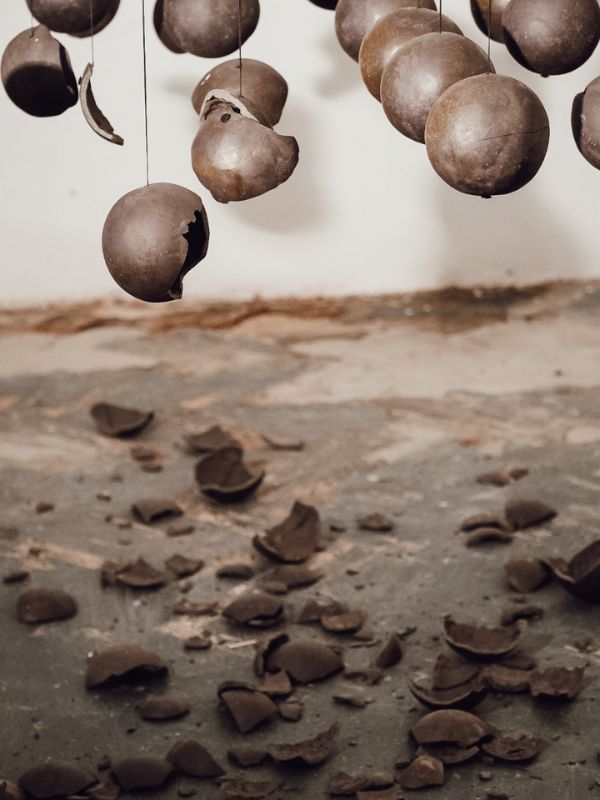
Having also studied ceramics during her undergraduate course, Meta has produced a number of notable works in this medium. She has exhibited them at several major retrospective, biennial, and triennial events, including Ceramics in Slovenia 2005–2022 in Kranj; the Fourth International Triennial of Ceramics Unicum (Slovenia, 2018); and the 20th Belgrade Ceramics Biennial (2020). Among these, one of the most important for both Meta and her colleague Brigita Gantar was the πr squared Biennial of Contemporary Kinetic Ceramics in Kranj (2023). There, they presented Raz-bitje, an exceptionally engaging work that placed public participation at the centre of a process in which destruction became an act of creation.
They suspended dozens of clay orbs from the ceiling of a room-sized space using ropes, positioning them at waist height, and scattered clay bricks across the floor. While stepping on the bricks as they moved, visitors were invited to walk through the orbs, causing the suspended spheres to sway, collide, and eventually shatter. They were also free to break the orbs intentionally. What remained at the end was a co-created artwork – a collective being (bitje) shaped in collaboration with the audience.
They suspended dozens of clay orbs from the ceiling of a room-sized space using ropes, positioning them at waist height, and scattered clay bricks across the floor. While stepping on the bricks as they moved, visitors were invited to walk through the orbs, causing the suspended spheres to sway, collide, and eventually shatter. They were also free to break the orbs intentionally. What remained at the end was a co-created artwork – a collective being (bitje) shaped in collaboration with the audience.
Interactive art is something Meta finds deeply compelling, and she seeks to test the boundaries of what is permissible within a gallery space. How far is the audience, and sometimes herself as well, willing to go? What is the lifespan of an interactive artwork? Can it continue to “live” even when broken apart, dispersed into fragments that follow different paths during and after the exhibition? By multiplying the layers of her practice, these questions expand and deepen her view of the world – a view already remarkably open, honest, and courageous.
Somatic and intuitive knowledge of glass
She is now enriching her expertise by pursuing doctoral studies at the Eugeniusz Geppert Academy of Art and Design in Wrocław, where she is working on her dissertation, Rethinking Transparency: Embodied Knowledge in Artistic Glass Practices. Building on her own experience, she focuses on what lies beyond materiality – concept, bodily engagement, and technical skill – seeking to understand and explain how practitioners position themselves in relation to the material. While acknowledging the importance of craft, she believes that by illuminating and integrating these supra-material dimensions, the discipline can be represented as it truly is, rather than only as it appears to the public, thereby contributing to a deeper understanding and appreciation of glass art.

Through storytelling realised in sculptures, installations, and participatory actions, she explores areas of sensory engagement, the pursuit of perfection, and processes of transmission and transfer. This approach expands her understanding of artistic glass beyond the dominant material-centred perspective, where the physical properties of glass often overshadow the embodied aspects of the discipline. While the material dimension—such as technical processes and aesthetic qualities—has been extensively studied, the non-material, embodied dimensions have received considerably less attention.
– Meta Mramor
In this way, it becomes clear how the career of this young artist has gradually shifted from lyrical themes of personal emotions and glass as a medium of therapeutic empowerment, towards a socially engaged practice focused on generating formal knowledge and fostering responsibility for both social and natural environments. As one of the few who, within the typically combined studies of ceramics and glass, choose to specialise in glass, Meta Mramor has, even before turning thirty, undoubtedly succeeded in “elevating this often-overlooked artistic material to a higher level, fully embodied and balanced within the context of contemporary art” (Žekš, 2025).
Aware that opportunities in the world change rapidly, she has no fixed plans for the future, but she knows what she would do if certain conditions were met – for example, to continue work on the Growth installation, or develop new multimedia projects. Although her doctoral degree will bring her closer to the status of a researcher and advancement in academic ranks, her primary aim is to remain an independent artist. She believes that only by doing so can she preserve her critical thinking and stay grounded in the real world, directly confronted with current issues and practical challenges – such as translating the goals of sustainable development into the field of artistic practice, a task that is evidently highly complex.
References
- BA Glass. (online). Glassberries Design Awards, edition 2022. BA Glass.
- Creative Glass Serbia. (2026). Interview with Meta Mramor. Paraćin: Creative Glass Serbia.
- Čvorak, T. (2025, Mart 25). Razlika između zanata i umetnosti je 9 minuta i 9 stepeni. Vogue Adria (Fashion).
- European Crafts Alliance. (2024, Feb 22) Fusion 2024 Announces Selected Creators. European Crafts Alliance.
- Glass Art Society. (2024, March 19). GAS Awards 12 Scholarships for the Upcoming Berlin 2024 Conference. Glass Art Society, glassart.org (Announcements, At the Conference).
- Glass Art Society. (online). CONNECTIONS 2024: GLASS FROM EVERY ANGLE, GAS Member Exhibition. Glass Art Society.
- Heyzine Flipbooks. (online). Fusion: The Biennial of Contemporary Glass Jewellery, 03 Apr 2024 – 26 Feb 2026. Heyzine Flipbooks.
- Meta Mramor. (online). https://metamramor.com/
- Mramor, M. & Pak, T. (2021). Sustainable renewal of artistic glass production. In Horvat Monika et al. (eds). Book of Abstracts: Cutting Edge 2021 Scientific Conference for Young Researchers: Independent in Science (p. 72). Virtual conferece, Thursday, 16 Sep 2021. Fakulteta za kemijo i kemijsko tehnologijo, Univerza v Ljubljani.
- Prague Gallery. (online). Meta Mramor, Slovenian. Prague Gallery.
- Prague Gallery of Czech Glass. (2024). Stanislav Libensky Award 2024, International Glass Exhibition / December 3, 2024 — Janurary 4, 2025, Clam — Gallas Palace, Prague (catalogue). Prague Gallery of Czech Glass, o.p.s.
- reDiscover project. (online). Meta Mramor, Slovenia: Martivino, Glass 2022. reDiscover project.
- reDiscover project. (online). Virtual Exhibition. reDiscover project.
- Rutar, K. (2024, Jan 31). The Kinetic Nature of Ceramics. Ceramics Now (Articles).
- The Contemporary Glass Society. (online). Member’s Spotlight: Meta Mramor. The Contemporary Glass Society (Artist).
- The Venice Glass Week. (online). 14-22 Sep 2024, Meta Mramor. Growth. Event organised by Meta Mramor. The Venice Glass Week (Eventi).
- VR-All-Art. (online). Meta Mramor, Slovenia. VR-All-Art (Artist).
- Žbontar, Z. (2020). Razstava Poti. Argo 63/1, 2020, Časopis slovenskih muzejev / Journal of the Slovene Museums.
- Žekš, M. (2025). Meta Mramor: Death of the Image. Mestna občina Ljubljana (Stakleni atrij).

This edition is the part of the programme “Glassmaking Tradition Meets Innovation” funded by the European Union. Views and opinions expressed are however those of the author(s) only and do not necessarily reflect those of the European Union or the European Education and Culture Executive Agency (EACEA). Neither the European Union nor EACEA can be held responsible for them.