Creative Glass Serbia

Creative Glass Serbia

Hannah Gibson: Sustainable glass art whispering sweet nothings
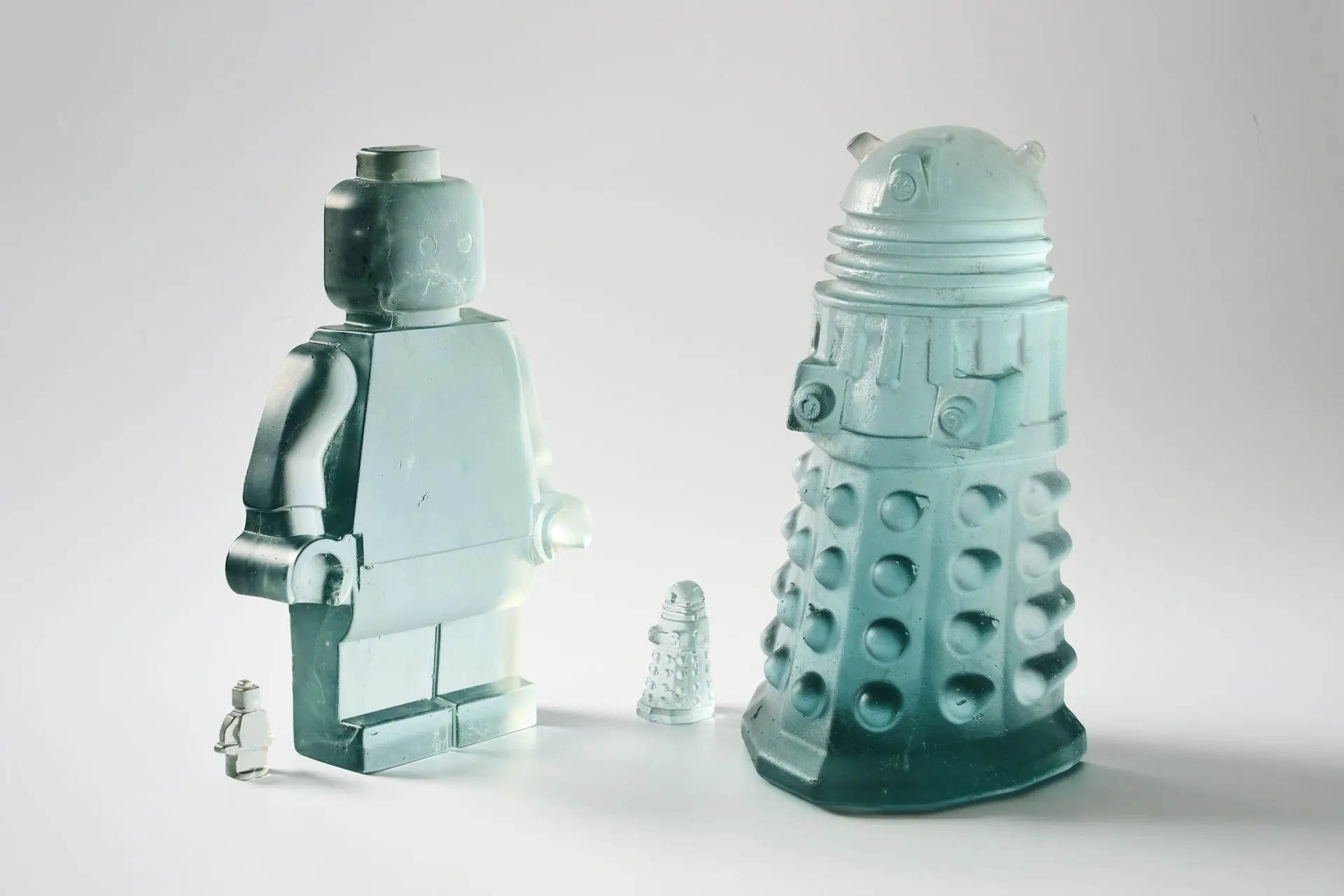
Recikliranje narativa, Bez piksela iza (Without Pixels Behind), liveno reciklirano staklo TV ekrana, rad Hane Gibson || fotografija: ljubaznošću Hannah Gibson Glass
Recycling Narratives, Without Pixels Behind, cast from 100% recycled television glass, made by Hannah Gibson II photo: courtesy of Hannah Gibson Glass

Hannah Gibson: Sustainable glass art whispering sweet nothings

Recycling Narratives, Without Pixels Behind, cast from 100% recycled television glass, made by Hannah Gibson || photo: courtesy of Hannah Gibson Glass

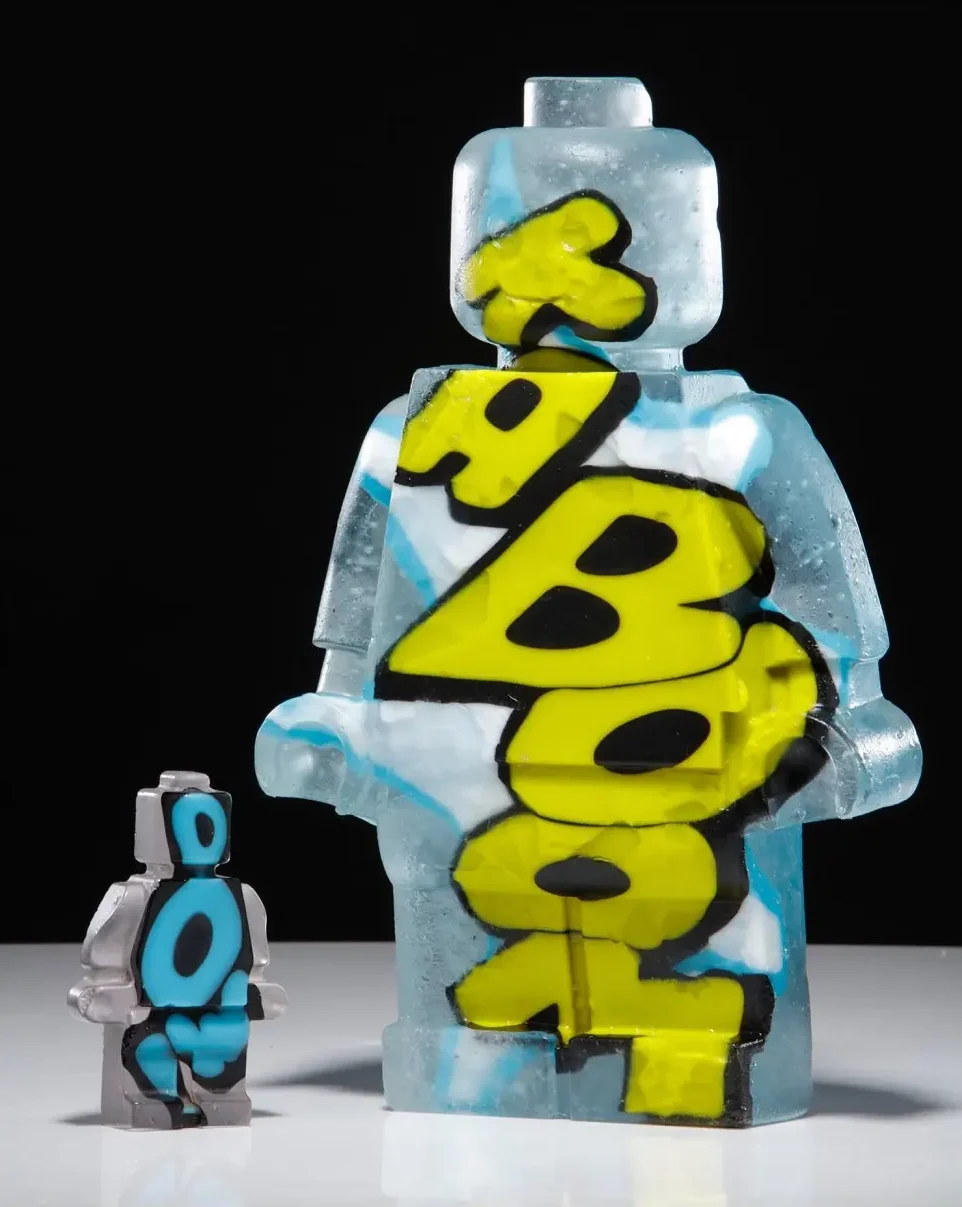
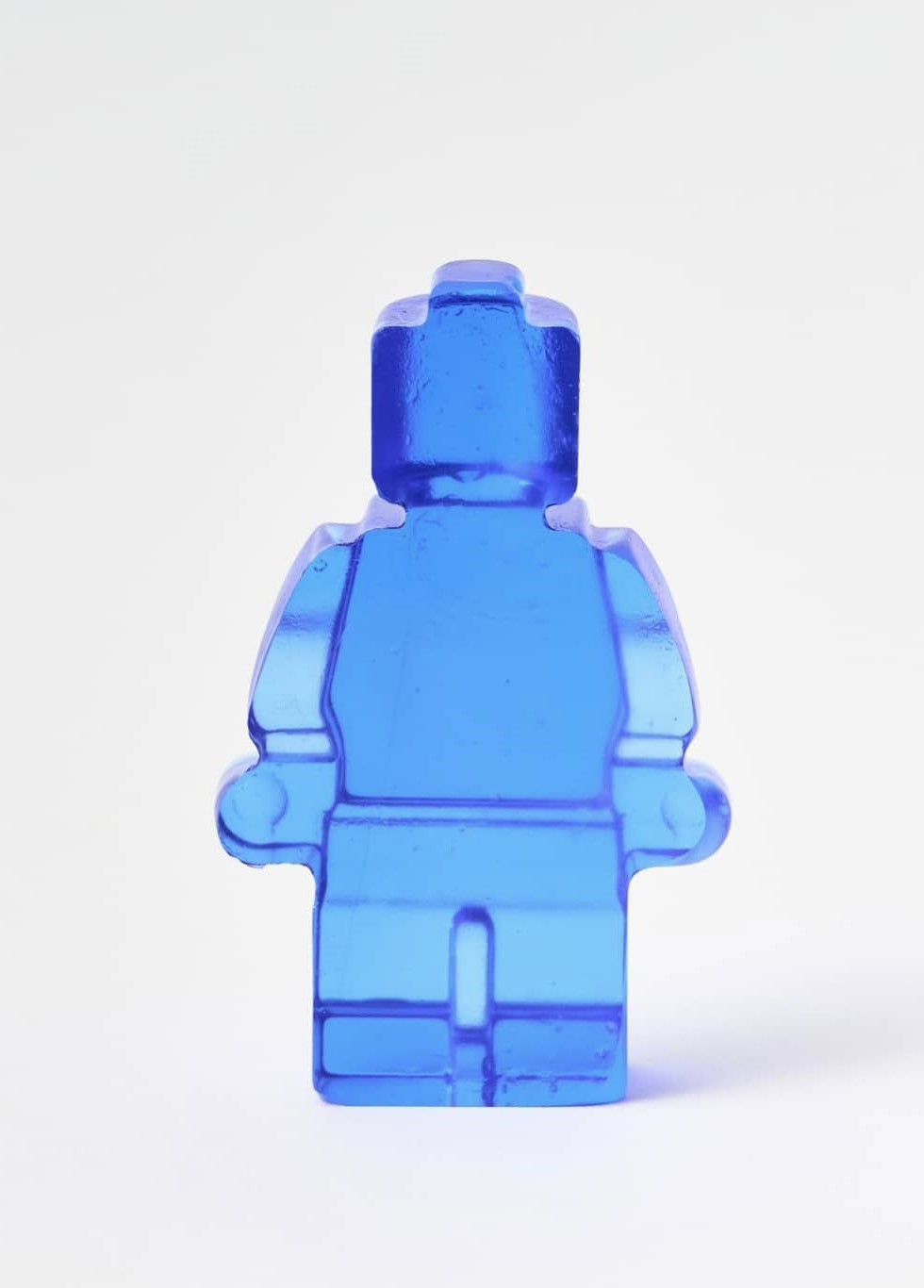
Entitled Recycling Narratives, the multi-award-winning conceptual work of British artist Hannah Gibson shows how a steadfast commitment to shape and technique enables profound explorations of the materiality of glass, resulting in innovative, often once thought impossible sculptures. Remaining faithful to the robot figure, inspired by the LEGO minifigure, and to the method of casting, Gibson has spent more than a decade investigating the physical, chemical, aesthetic, and cultural dimensions of glass and their environmental implications. So far, she has made over 2500 sculptures. All of them are unique and speak powerfully to the conscience of their audiences.

Her artistic expression emerges from the understanding, recycling, and sculpting of various types of glass waste, which she collects according to clear criteria. While creating her robots in a shape that is instantly recognisable and universally familiar, she believes they bring people closer together and prompt reflection on the material itself: Where does this glass come from? Why is it here? What is it telling us? What will become of it?

We have all seen the images of endless landfill sites and the effect they have on the environment and animal life. Through my work I want to open a dialogue about where glass comes from, the process it goes through and the potential for it to be infinitely recycled.

– Hannah Gibson, for Homo Faber
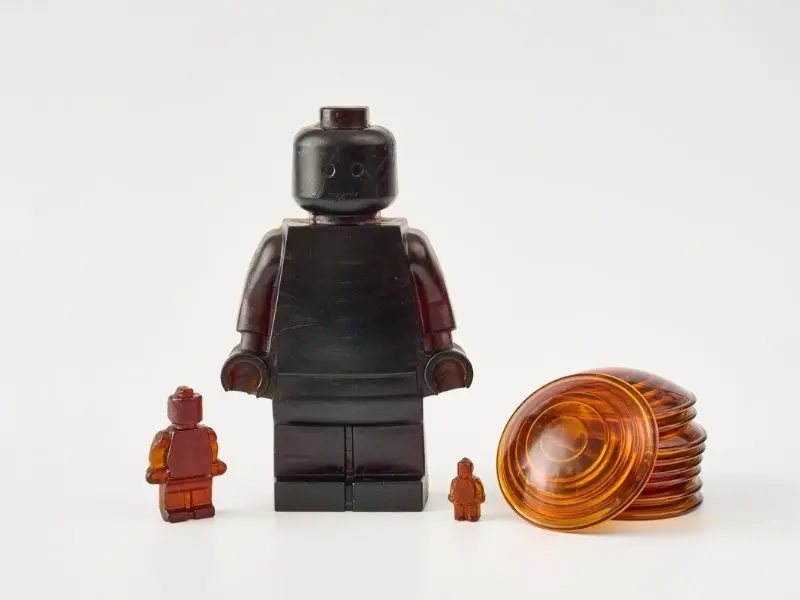
Recikliranje narativa, Ukrcavanje (All Aboard), liveno reciklirano staklo železničkih semafora, rad Hane Gibson || fotografija: Alik Koteril (Alick Cotterill), ljubaznošću Hannah Gibson Glass
Recycling Narratives, All Aboard, cast from recycled railway signal lenses; the work of Hannah Gibson || photo: Alick Cotterill, courtesy of Hannah Gibson Glass

Hannah Gibson’s preoccupation with these questions, and her desire to share her passion for glass, recycling, and ecology with others, is also reflected in her artistic action of hiding her works across the United Kingdom, with the intention that one day people might stumble upon them and be pleasantly surprised. Each hidden glass robot comes with a note asking the finder to care for and look after it. To date, she has hidden hundreds of her robots in public spaces, most often the smallest ones, ranging from 3.5 to 8 centimetres in height. The majority have been discovered by people who neither visit galleries nor follow the art scene, underscoring the remarkable effectiveness of this form of artistic activism.

Of course, the most exciting part is when they are discovered. Some of my most memorable experiences are when people contact me after finding one, often in a place that has a personal resonance for them. The joy and surprise in these encounters are what makes the whole process so rewarding – turning a hidden work into a shared story.

– Hannah Gibson, for Creative Glass Serbia, 2025

Geologist and glass artist
Hannah is highly knowledgeable about the physical and chemical properties of glass. She holds a degree in geology and often mentions in interviews the discussions she had with colleagues about glass, which spanned the entire four years of her studies in Edinburgh. While studying geomorphology, they encountered rocks of glassy material, such as obsidian, which remain largely unexplored and raise fundamental questions about materiality. This is how she became attached to glass – if something captivates attention so strongly, it must surely be worth further exploration.
She took her first glassmaking classes at the Edinburgh Stained Glass House. Continuing to practice and develop her skills, she later succeeded in constructing a new, more traditional fanlight for the front door of the Georgian house she had moved into. This was her first glass project. She executed it in a workshop her father had built for her, initially equipped for stained glass and later for fusing and lampworking as well. This initial period of her glassworking concluded with her move to Farnham, where she was accepted into a master’s programme in glass.
Recikliranje narativa, Harveys, recikliano staklo Harverys Bristol Cream flaša, rad Hane Gibson || fotografija: ljubaznošću Hannah Gibson Glass
Recycling Narratives, Harveys, cast from recycled Harveys Bristol Cream bottles the work of Hannah Gibson || photo: Alick Cotterill, courtesy of Hannah Gibson Glass
She took her first glassmaking classes at the Edinburgh Stained Glass House. Continuing to practice and develop her skills, she later succeeded in constructing a new, more traditional fanlight for the front door of the Georgian house she had moved into. This was her first glass project. She executed it in a workshop her father had built for her, initially equipped for stained glass and later for fusing and lampworking as well. This initial period of her glassworking concluded with her move to Farnham, where she was accepted into a master’s programme in glass.

At the University for the Creative Arts in Farnham, she practised all glassmaking techniques and, during the mould-making classes, she arrived at a robot shape that she was particularly pleased with. That led her to begin a series of cast glass works titled Recycling Narratives: Whispering Sweet Nothings. These were robots made from glass sourced in the studios of renowned British artists, essentially the leftover materials from their creative processes. Each piece represented the work of a different artist, including David Reekie, founder of the Contemporary Glass Society; Bruce Marks, Lui Tompson, and others.
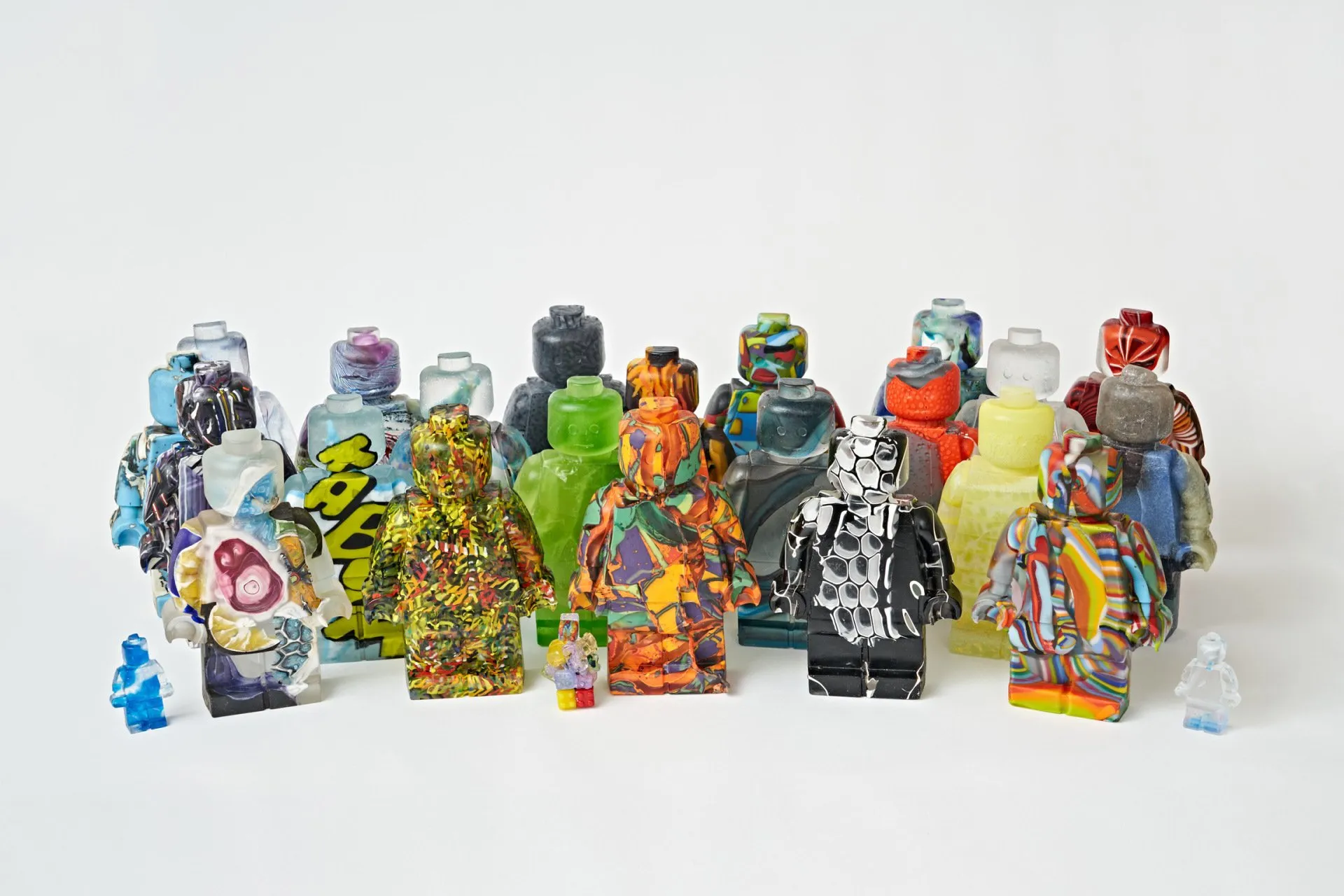
Recikliranje narativa, Šaputanje slatkih reči (Whispering Sweet Nothings), liveno reciklirano staklo iz ateljea britanskih umetnika, radovi Hane Gibson (od 2015. do danas) II fotografija: Alik Koteril (Alick Cotterill), ljubaznošću Hannah Gibson Glass
Recycling Narratives, Whispering Sweet Nothings, casts from different artists’ recycled glass; made by Hannah Gibson (from 2015 to the present) || photo: Alick Cotterill, courtesy of Hannah Gibson Glass
It was visible that they are working with glass of various chemical compositions (Stourbridge crystal, Kugler, etc.), coloured and treated in ways characteristic of their makers. Those Hannah’s robots, standing 26 cm tall and weighing around 2.7 kilograms, represented and preserved these artistic materials. By “whispering” to one another, they also started to bridge different worlds of glass art. Her work was praised, and shortly after completing her master’s, she was invited to return to the university as an artist-in-residence. There, she continued her research, focusing on the materiality and recycling of glass, while retaining the robot shape.

By keeping the shape the same, it means I can focus on the materiality and people can see beyond the shape and start questioning the material itself.

– Hannah Gibson, for Homo Faber

Contemporary art, special and less difficult glass

From 2015 to the present, her work has developed along three lines of cast recycled glass robots, unified under the concept of Recycling Narratives. The first line, titled Whispering Sweet Nothings, continues to consist of robots made from glass sourced in the studios of renowned artists, most often British. To the ones created during her studies, she added pieces representing the work of James Devereux, Katherine Huskie, Thomas Petit, Helga Watkins-Baker, KT Yun, Roberta Mason, Adam Aaronson, Max Jacquard, Colin Reid, Cathryn Shilling, Sir Ian Chadwick, Elliot Walker, Opal Seabrook, and many others.
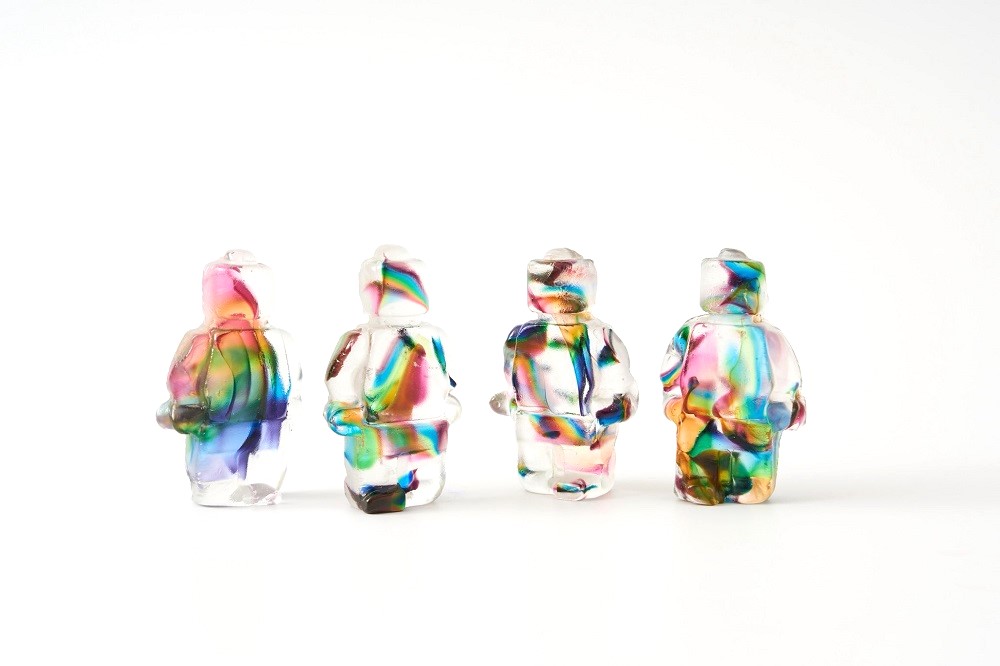
Recikliranje narativa, Šaputanje slatkih reči (Whispering Sweet Nothings), liveno reciklirano staklo iz ateljea Sonje Kingler, rad Hane Gibson (2021) II fotografija: ljubaznošću Hannah Gibson Glass
Recycling Narratives, Whispering Sweet Nothings, cast from Sonja Klingler’s recycled glass; the work of Hannah Gibson (2021) || photo: courtesy of Hannah Gibson Glass

From 2015 to the present, her work has developed along three lines of cast recycled glass robots, unified under the concept of Recycling Narratives. The first line, titled Whispering Sweet Nothings, continues to consist of robots made from glass sourced in the studios of renowned artists, most often British. To the ones created during her studies, she added pieces representing the work of James Devereux, Katherine Huskie, Thomas Petit, Helga Watkins-Baker, KT Yun, Roberta Mason, Adam Aaronson, Max Jacquard, Colin Reid, Cathryn Shilling, Sir Ian Chadwick, Elliot Walker, Opal Seabrook, and many others.

The second line consists of robots made from so-called special glass, meaning types of glass that are rarely recycled due to their chemical composition, as well as robots incorporating other materials such as textiles and metals. For Hannah, a trained geologist, these represent genuine challenges, situated somewhere between science and art. She approaches such tasks with enthusiasm, as they allow her to deepen her understanding of the material properties of glass. To date, she has successfully recycled several types of special glass, including windshields, television screens, railway signal glass, phone screens, insulin and COVID-19 vaccine vials…

Particularly notable was her series of robots made from recycled windshields, titled A Shattered Past, with which she was shortlisted for the Coburg Glaspreis, the most prestigious European award for contemporary glass art. The series was subsequently exhibited in Coburg and acquired for the collection of the European Museum of Contemporary Glass at Veste Coburg.

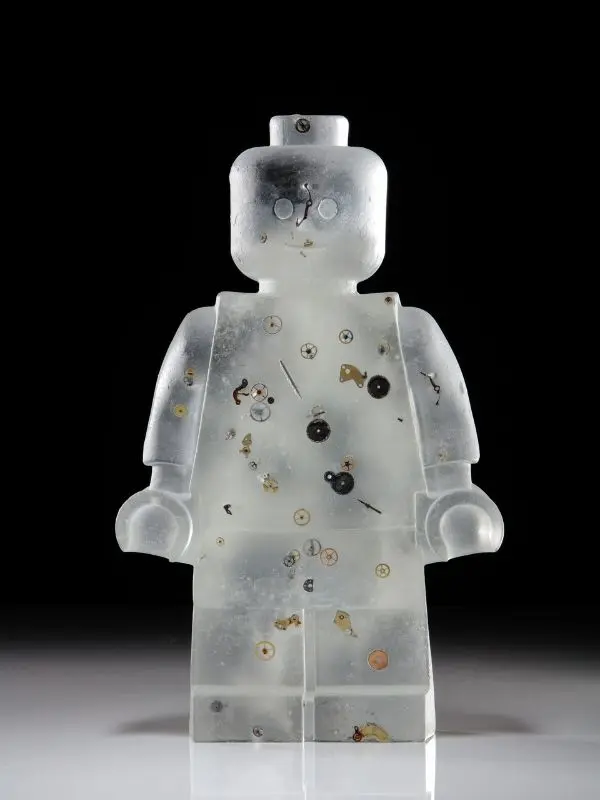
In the realm of combining recycled glass with other materials, notable examples are her robots Time and Tide wait for none and Casting Call. In the former, made from recycled milk bottles, she successfully incorporated parts of a mechanical hand-wound clock (metal gears and other small components), while in the latter, she managed to embed pieces of textile.
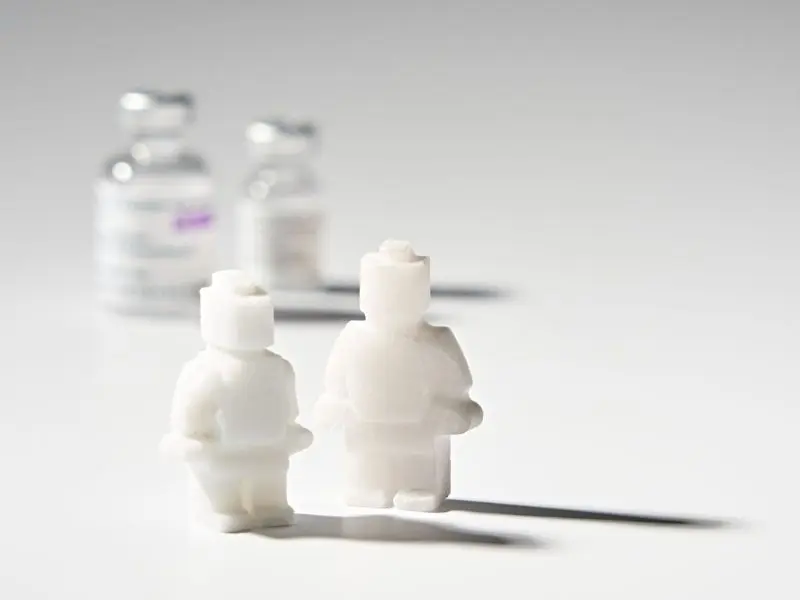
Recikliranje narativa, Opipljiva nada, liveno reciklirano staklo ampula za Covid vakcine, rad Hane Gibson || fotografija: ljubaznošću Hannah Gibson Glass
Recycling Narratives, A Tangible Hope, cast from recycled Covid-19 vaccination vials; the work of Hannah Gibson II photo: Alick Cotterill, courtesy of Hannah Gibson Glass
The third line of Hannah’s artistic work can be described as open to all other types of glass. This includes glass containers, such as bottles and jars, and various other glass objects that she encounters or receives by mail from friends, acquaintances, and the public. People send her whole or broken glass items to commemorate important moments in life. This has resulted in robots made from recycled baby bottles, champagne bottles, broken heirloom bowls, jars of favourite spreads, medication vials that brought healing, and more.
Recikliranje narativa, Vreme ne čeka nikoga (Time and Tide wait for none), liveno reciklirano staklo boca za mleko, sa metalnim delovima mehaničkog časovnika; rad Hane Gibson || fotografija: Sajmon Brantnel (Simon Bruntnell), ljubaznošću Hannah Gibson Glass
Recycling Narratives, Time and Tide wait for none, cast from recycled milk bottles, with watch part inclusions; the work of Hannah Gibson II photo: Simon Bruntnell, courtesy of Hannah Gibson Glass
The third line of Hannah’s artistic work can be described as open to all other types of glass. This includes glass containers, such as bottles and jars, and various other glass objects that she encounters or receives by mail from friends, acquaintances, and the public. People send her whole or broken glass items to commemorate important moments in life. This has resulted in robots made from recycled baby bottles, champagne bottles, broken heirloom bowls, jars of favourite spreads, medication vials that brought healing, and more.
Recikliranje narativa, Šaputanje slatkih reči (Whispering Sweet Nothings), liveno reciklirano staklo iz ateljea Opal Sibruk (Starburst Glass UK by Opal Seabrook), rad Hane Gibson (2020) || fotografija: ljubaznošću Hannah Gibson Glass
Recycling Narratives, Whispering Sweet Nothings, cast from Starburst Glass UK by Opal Seabrook’s recycled glass; the work of Hannah Gibson (2020) II photo: courtesy of Hannah Gibson Glass

Recycling glass through casting

Regarding the creation of all these robots, Hannah adheres to the technique of glass casting, as it allows her to weave into each sculpture all the details that form her vision of a recycled narrative. She fills the robot-shaped moulds with crushed glass, pieces of glass rods, glass she has previously heated to a soft state, and occasionally objects made from other materials. She strives to preserve the original appearance of the materials as much as possible, so that their previous lives remain present in their new form.

The filled mould is slowly and carefully heated to the temperature at which the glass of a particular chemical composition will melt, which can reach up to 1300°C. She then gradually anneals it in a specialised annealing kiln, a process that can take several weeks depending on the size of the sculpture. After releasing the annealed piece from the mould, she grinds and polishes it to achieve the desired final appearance.
Casting recycled glass, such as broken windshields, glass containers, and other types of glass that Hannah works with, is more difficult than casting new glass, and the cold finishing of the cast pieces is particularly demanding and time-consuming. Because glass recycled through casting typically has a crusty surface, extensive grinding and polishing are required to achieve smooth surfaces and clear colours. It usually takes Hannah up to six weeks to complete a single piece. Her robots range in height from 3.5 to 41 centimetres and in weight from around 20 grams to 9 kilograms.

Major exhibitions, awards, and recognitions

For her work on the original concept of Recycling Narratives, Hannah Gibson has received numerous significant awards and recognitions: Habatat Detroit Award of Excellence 2024; First Prize at the international Glass Art Society Exhibition: Trace – An Exploration of Sustainable Glass Art 2023; high commendations at The International Glass Prize (2021, 2022); the Jury Prize at the Just Glass Exhibition: Recollection – Memories in Glass (2021); and as already mentioned she was shortlisted for the prestigious Coburg Prize for Contemporary Glass 2022.
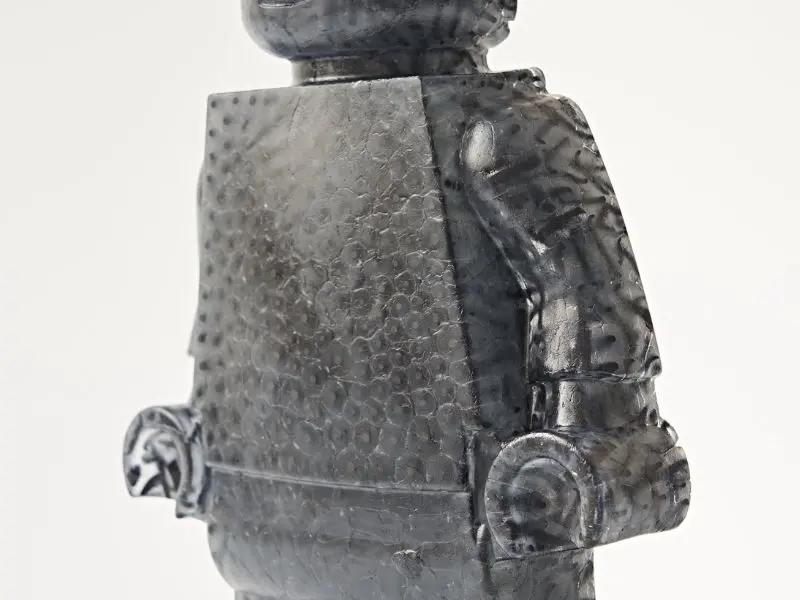
Recikliranje narativa, Šaputanje slatkih reči (Whispering Sweet Nothings), liveno reciklirano staklo iz ateljea Ketrin Haski (Katherine Huskie), rad Hane Gibson (2021) || fotografija: Alik Koteril (Alick Cotterill), ljubaznošću Hannah Gibson Glass
Recycling Narratives, Whispering Sweet Nothings, cast from Katherine Huskie’s recycled glass; the work of Hannah Gibson (2021) II photo: Alick Cotterill, courtesy of Hannah Gibson Glass
She is active on the international art scene, often contributing to various conferences, which is appreciated by her colleagues because her knowledge of geology allows her to provide very practical and valuable peer advice. She is a member of British associations Heritage Crafts and the Society of Designer Craftsmen, as well as the Green Committee of the Glass Art Society. Her work has been featured in over 30 publications (catalogues, articles, books), including guides managed by the UK Crafts Council and the European cultural initiative Homo Faber.

Her works, exhibited at the British Glass Biennale, SOFA Chicago, the Royal Scottish Academy, and many other art institutions (The Imagine Museum, Habatat Galleries, etc.), are collected by art collectors worldwide. From June to August 2025, in The Museum of Brands in London, she held a major solo exhibition titled Glass Renewed: Hannah Gibson and The History of Glass. Her latest robots were presented as the result of her exploration of the symbolic space where consumer culture, sustainability, and traditions of glassmaking intersect. They were exhibited alongside the very objects from which they were made (e.g., a morphine vial, a jar of a popular spread, a Jägermeister bottle), and the historical items from the museum’s most valuable collection (an ancient glass vessel, a Victorian Codd bottle, an exceptionally rare Johnnie Walker whisky bottle, etc.).
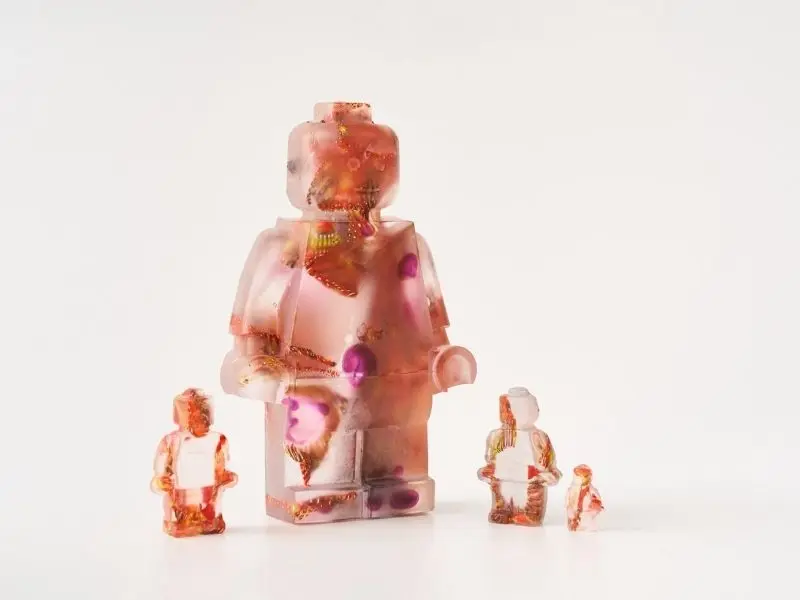
Recikliranje narativa, Šaputanje slatkih reči (Whispering Sweet Nothings), liveno reciklirano staklo zajedničkog umetničkog rada Dejvida Pečena (David Patchen) i Džejmsa Deveroa (James Devereux); rad Hane Gibson (2025) || fotografija: Alik Koteril (Alick Cotterill), ljubaznošću Hannah Gibson Glass
Recycling Narratives, Whispering Sweet Nothings, cast from the unique piece by David Patchen and James Devereux; the work of Hannah Gibson (2025) II photo: Alick Cotterill, courtesy of Hannah Gibson Glass

Even louder about environmental fragility

Lately, Gibson has also been creating sculptures over a metre tall. They represent her new, more powerful and resonant response to the overwhelming reality of mega-landfills that will persist for decades to come. Both conceptually and technically challenging, these enlarged figures embody the same spirit and playfulness as her smaller robots, but on a more powerful, architectural scale. In Hannah’s words, these larger works invite the viewer to encounter the figure almost as a presence or character they can stand alongside.
She is now working on a project that will be presented at the Corning Museum of Glass (CMOG) in June 2026. This ambitious, multi-year undertaking brings recycled glass into dialogue with memory in entirely new ways.

I'm very excited about this project, and although it is still in development, I can say it is one of the most significant works I have created to date.

– Hannah Gibson, for Creative Glass Serbia, 2025

Her current studio is located in Surrey, one of the most desirable places to live in England, about 45 kilometres from London. There, in her home with a garden that reminds her of growing up at the foothills of Snowdonia National Park in Wales, she explores the materiality, history, and sustainability of glass. Striving to make all other aspects of her artistic practice as sustainable as possible, she is also collecting and using rainwater, printing business cards on recycled cotton T-shirts, and caring for all other resources she uses.

For me, working with glass is alchemy. I love the challenge of working with recycled glass and the ability to approach casting with a rigorous scientific approach, to push the boundaries of glass. But more importantly, and constantly at the forefront of my mind, are the environmental impacts of working with glass.

– Hannah Gibson, for Londonist: Urban Palette, 2025..

Approaching glass as a geologist, Hannah Gibson demonstrates with more authority that this material remains unexplored and has tremendous potential. By passionately expanding its boundaries as an artistic medium, she also developed innovative technical solutions for recycling special glass that is still considered non-recyclable. In doing so, she has shown that it is possible to have more sustainable glass materials in circulation and that artists’ studios can also be development laboratories for the circular economy.

References

This edition is the part of the programme “Glassmaking Tradition Meets Innovation” funded by the European Union. Views and opinions expressed are however those of the author(s) only and do not necessarily reflect those of the European Union or the European Education and Culture Executive Agency (EACEA). Neither the European Union nor EACEA can be held responsible for them.