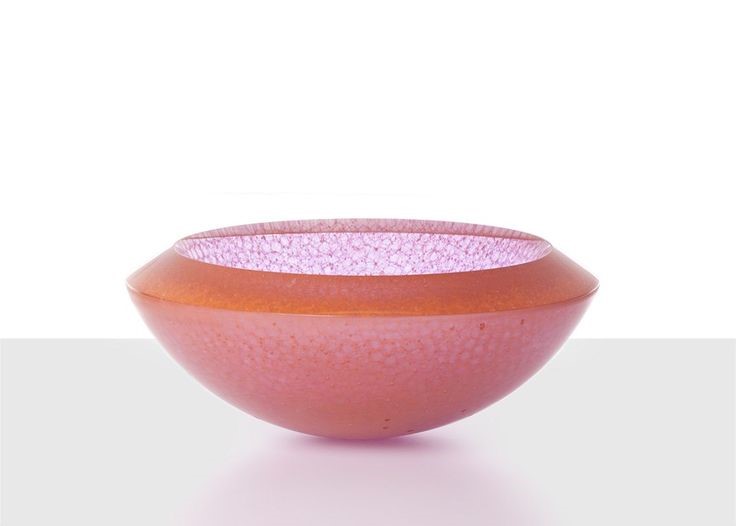
When analyzing the phenomenon of Czech glassmaking, it becomes clear that the key to its success lies in a perfect balance between historical production techniques and bold design experimentation.
prepared by: Hristina Mikić
In May 2026, with the support of the Czech Center, I visited some of the finest Czech glassmaking facilities. The various dimensions of their work can be applied to revitalizing Serbia’s own glassmaking heritage, with the goal of connecting our tradition with contemporary global trends in the field. I am deeply grateful for my study visit to Lucie Orbók, Director of the Czech Center Belgrade, and to Sandra Karacsony and Hana Pištorová from the Czech Centers support network at the Ministry of Foreign Affairs of the Czech Republic. Sandra and Hana were my hosts during the study trip to Czechia. Czech Centers are state cultural institutions established by the Ministry of Foreign Affairs of the Czech Republic. Their role is to promote Czech culture, language, science, and creativity abroad, as well as to foster cultural cooperation between Czechia and other countries. There are currently 26 cultural centers worldwide, organizing around 1,600 programs each year.
The Rückl Glassworks (Nižbor)
My first stop was the Rückl glassworks in Nižbor, founded in 1846 by the famous Rückl glassmaking family. Nižbor is located about 35 kilometers west of Prague on the Berounka River. Like most glassworks established in the 19th century, it is surrounded by key natural resources, such as water and dense woodlands. Today, it employs around 60 workers, handling custom orders while also developing its own signature collections. The artistic director is Kateřina Handlová, whose ideas are brought to life by some of the most renowned engravers and cutters, including World Glass Engraving Cup champions. You can read more about the historical development of this glassworks and how it connects its heritage with modern trends in this story posted on the Creative Glass Serbia platform. I also learned about this glassworks through firsthand exploration. At the entrance, I was greeted by a stork on the chimney, the company’s trademark. This logo symbolizes luck and new life, while the glass stopper in the stork’s beak represents health. Storks are regular visitors to the factory complex, and the glassworks even cares for injured storks within its visitor center.
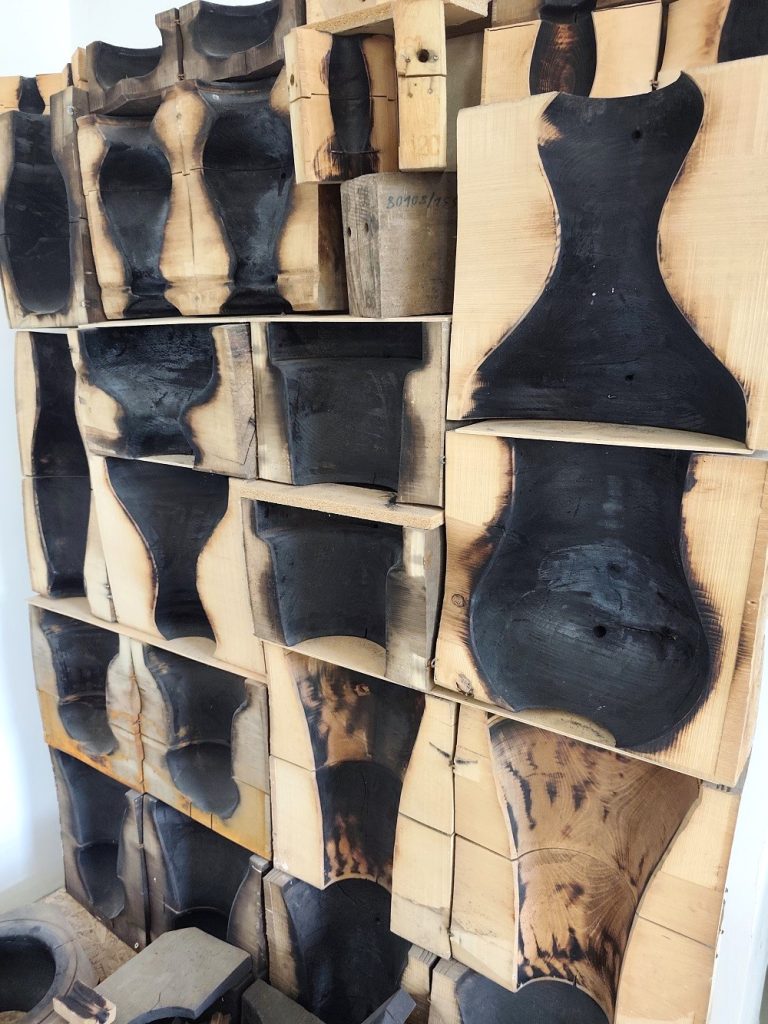
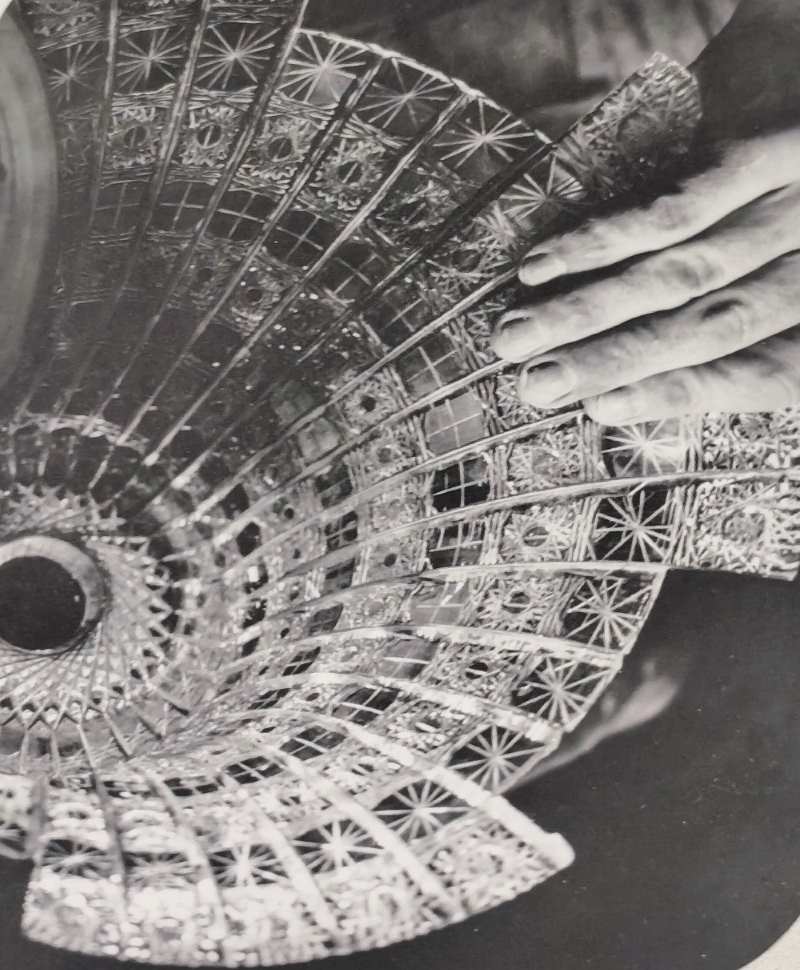
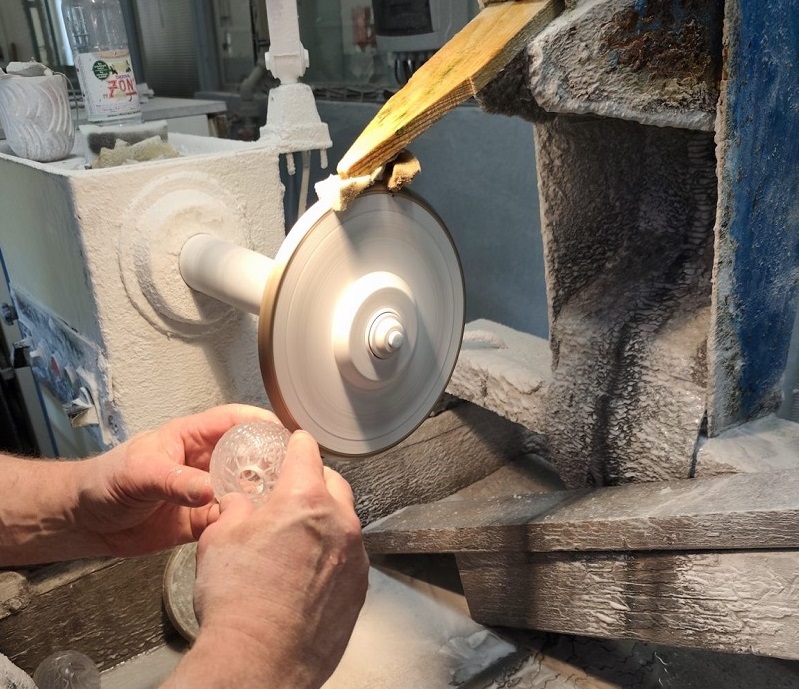
Rückl currently offers around 20 crystalware collections, only a few of which (such as Charles IV, Maria Theresa, and Rudolf II) replicate its cultural heritage through well-known, traditional shapes and patterns. All the other collections honor this heritage through contemporary design.
In addition to regularly welcoming tourists, who mostly visit during weekends, the glassworks offers special programs for Valentine’s Day, International Women’s Day (March 8th), Easter, and Halloween. After touring the factory floor and trying their hand at glassmaking, visitors can take home a personalized souvenir or purchase seasonal items, such as handcrafted glass Easter eggs. The glassworks is also featured on the tourist map of Beroun, a town of about 20,000 residents, while its main gateway for tourists visiting Czechia is the elegant Rückl Flagship Store located in the heart of Prague.


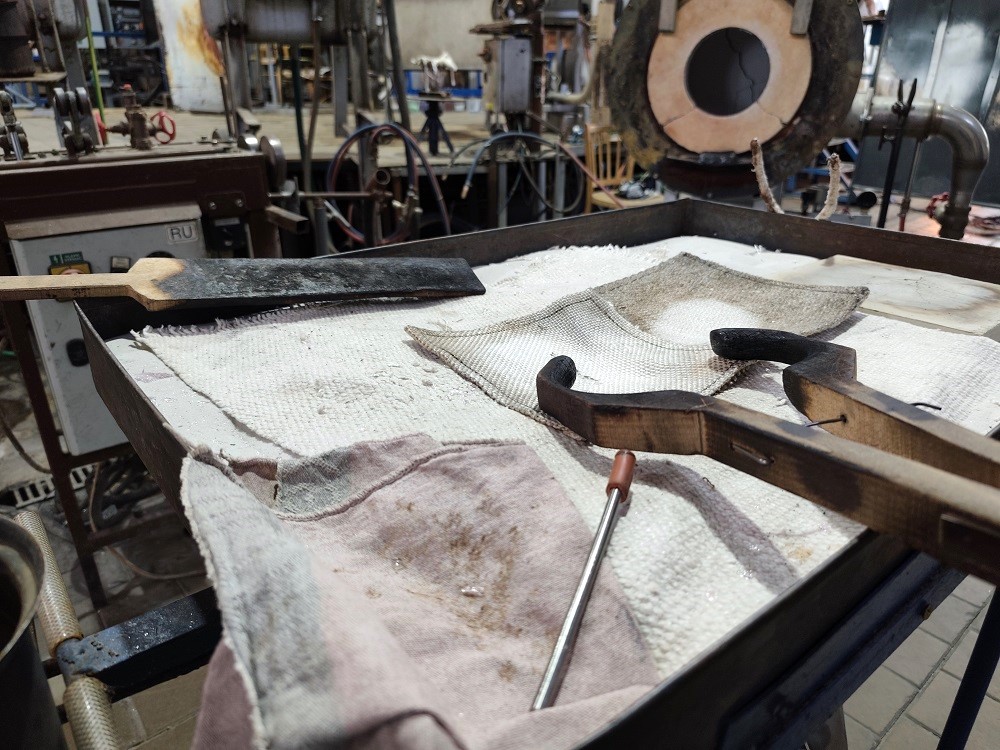

The “Pleiades of Glass” Exhibition, Museum of Decorative Arts in Prague
“Pleiades of Glass” presents a detailed, analytical retrospective of studio and art glass from the second half of the 20th century to the present day, precisely illustrating the transformation of glass from a utilitarian, everyday medium into pure sculptural and visual art. The exhibition is curated by Dr. Sylva Petrová, one of the most renowned historians of Czech art glass, Professor Emerita at the University of Sunderland (UK), and longtime curator of the modern glass collection at the Prague museum and Dr. Milan Hlaveš, Head of the Glass, Ceramics, and Porcelain Collection at the Museum of Decorative Arts in Prague, a distinguished curator and author of numerous monographs on glassmaking.
The exhibition showcases a representative cross-section of one of the world’s richest collections of czech studio glass from the second half of the 20th and early 21st centuries, preserved by this museum. The display is divided into two distinct halls that offer completely different curatorial and visual insights. The first hall features “The Play of Light,” with dramatic lighting effects. The exhibits are illuminated to highlight the interior of the glass, its reflection, refraction, and the optical illusions within the pieces themselves. Key works from different decades are accompanied by chronological texts and quotes from the most celebrated Czech master glassmakers. The second hall houses the “Monumental Sculptures” and it was subsequently expanded to contain nearly fifty large-scale monumental glass sculptures. They represent the pinnacle of the technological and artistic challenges of their time, as casting and shaping massive glass objects required not only an artistic vision but also a profound understanding of the physics and chemistry involved in glass annealing.
The entire exhibition proves that despite the difficult political circumstances following 1946 under the communist regime, Czech glassmakers managed to create a completely independent artistic movement. They detached glass from its utilitarian function and brought it into the realm of studio sculpture. Remarkably, even though these works were created decades ago, they remain exceptionally contemporary in their aesthetics, technologically revolutionary, and visually innovative.


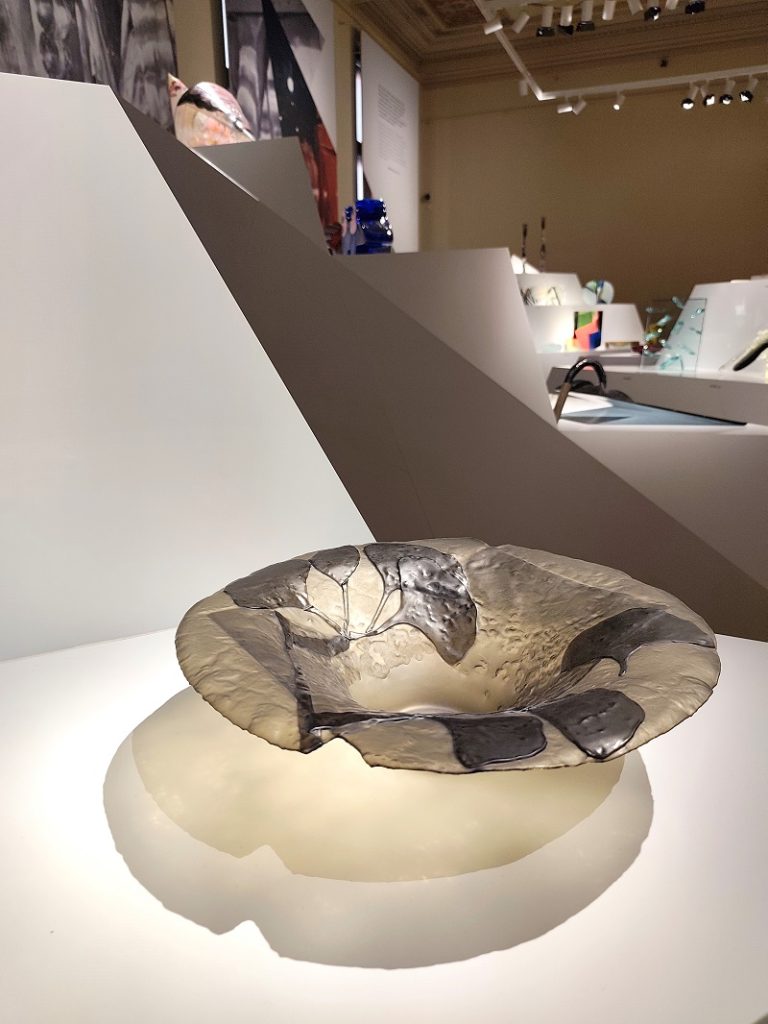
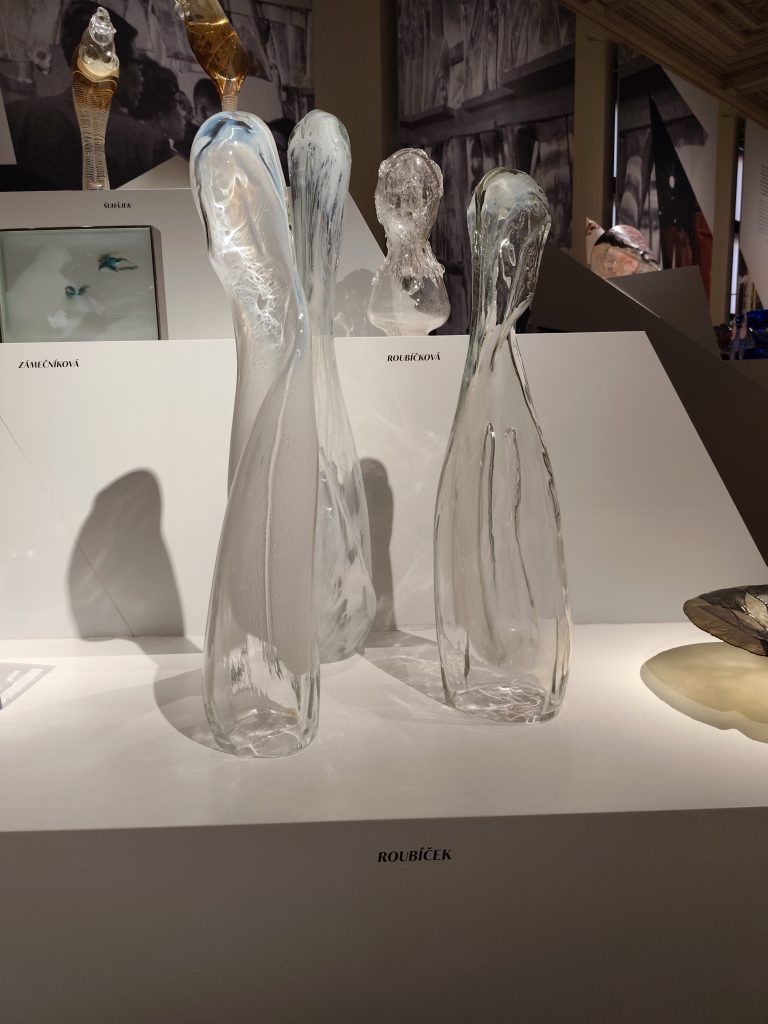
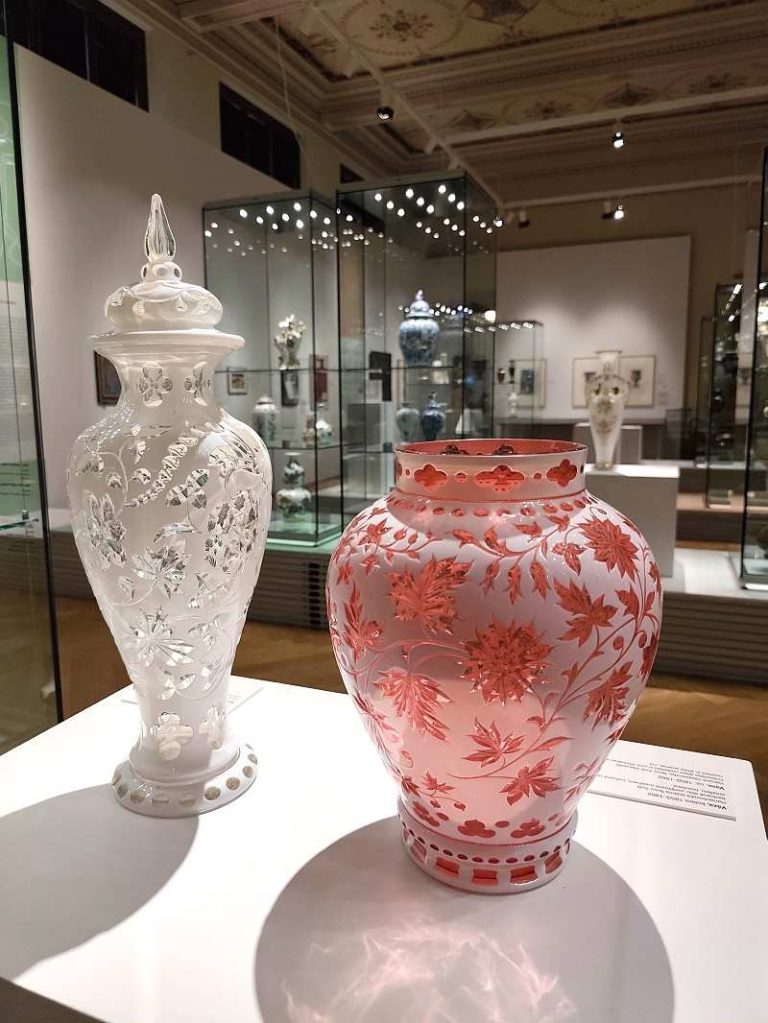
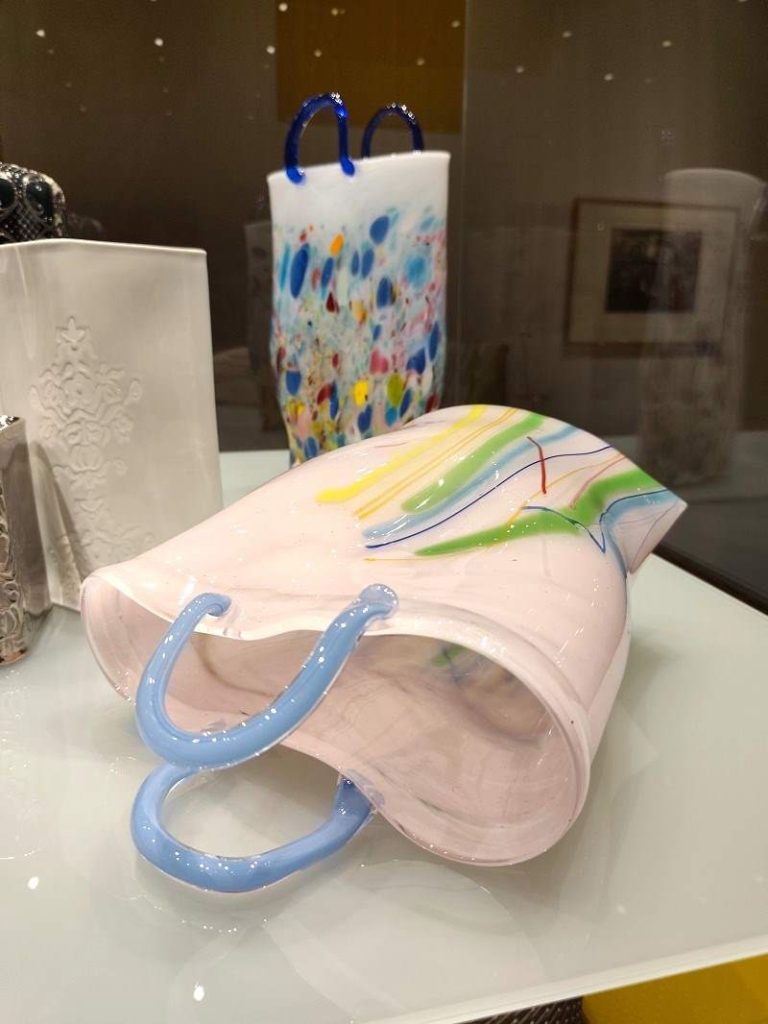
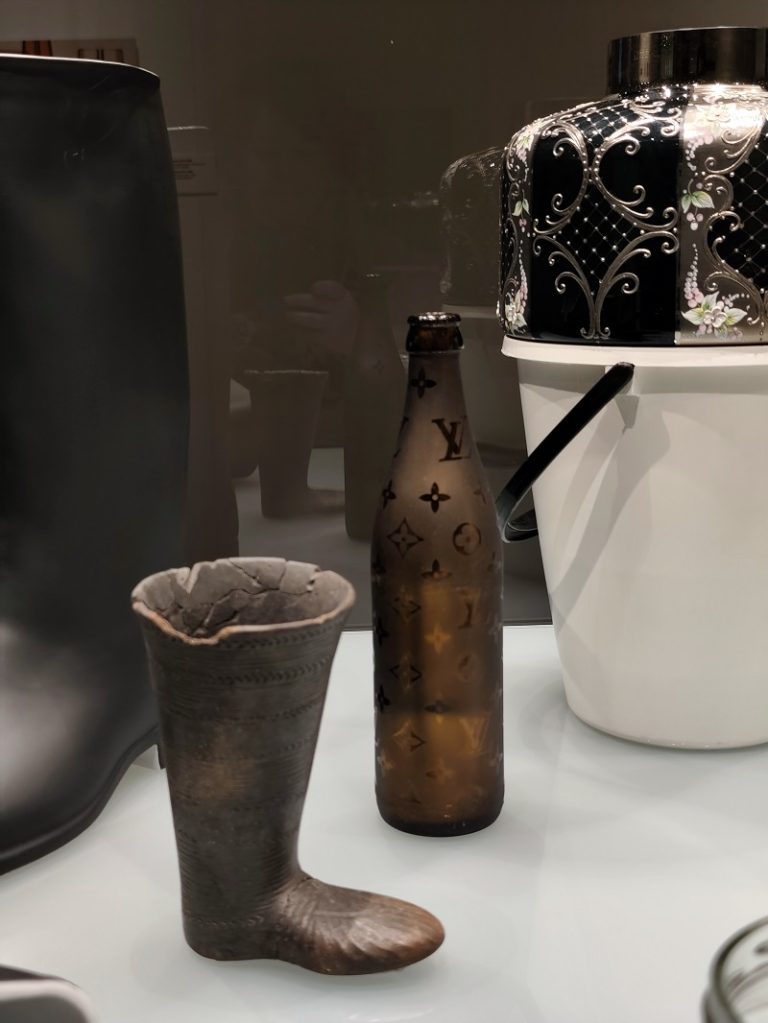
The second exhibition, “The Vase: A Symbol of Culture and Life,” showcases vases through the ages. Its curators and authors, Jana Černovská and Radim Vondráček, are prominent Czech art historians and decorative arts experts. The exhibition traces the evolution of the vase from prehistoric forms to today’s avant-garde designs, drawing from the museum’s rich collection of glass, ceramics, and porcelain. The display is divided into six thematic sections (Archetypes, Nature, Figure, Ritual, Architecture, and the intriguing Non-Vases), allowing for an analysis of how this object transformed from a simple, utilitarian vessel into a powerful symbol of identity, artistic expression, and social context. A significant portion of the exhibition features glass vases, ranging from traditional models to contemporary artifacts.
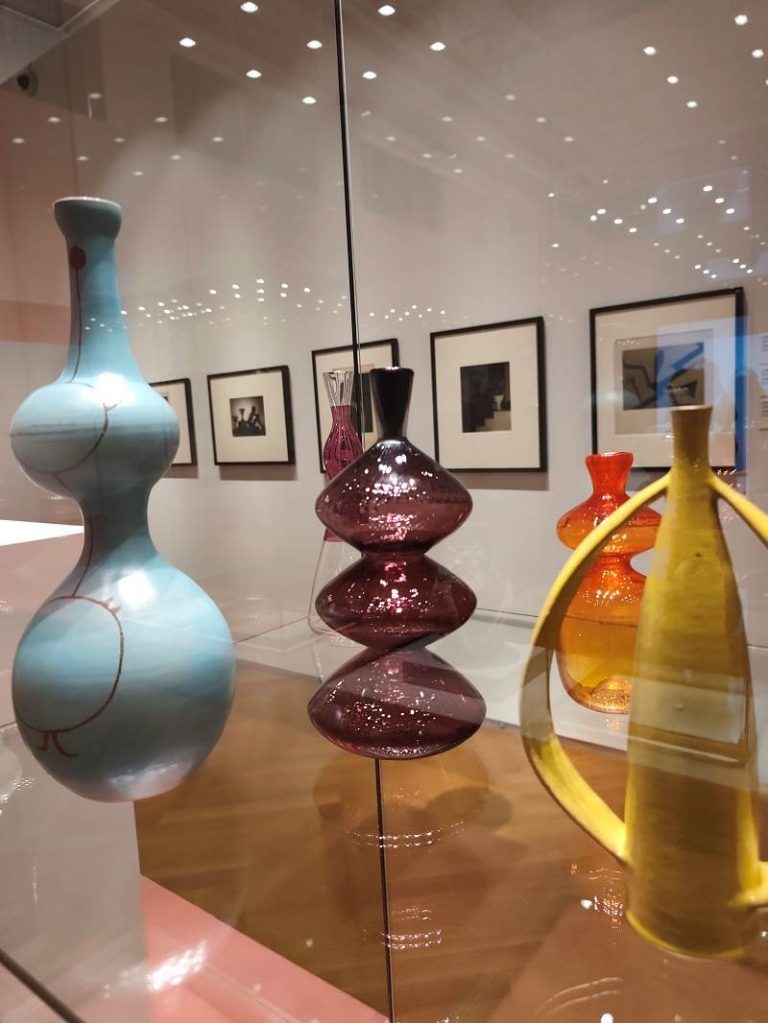
Qubus Studio
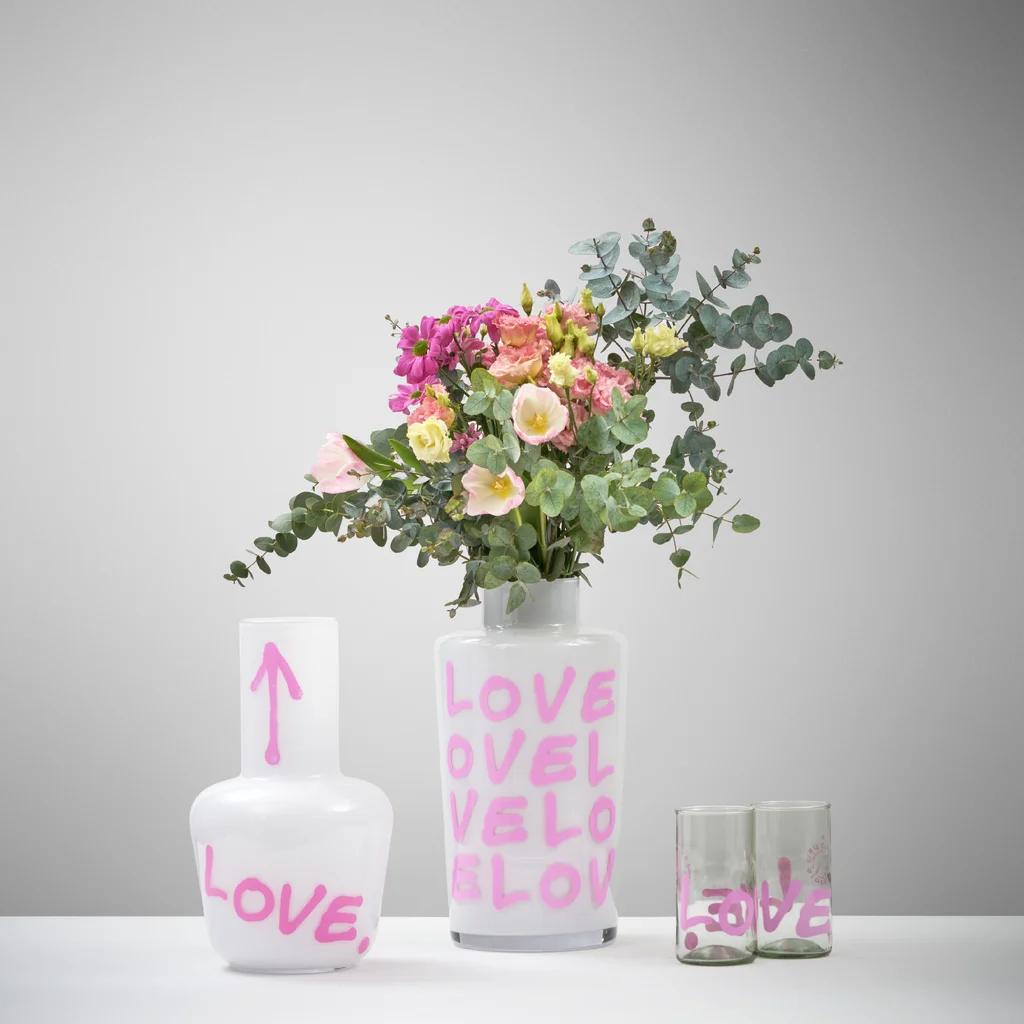
The rest of the day was dedicated to contemporary creation in ceramics and glass through a visit to the famous Qubus studio. Founded in 2002 by designers Jakub Berdych Karpelis and Maxim Velčovský, this studio completely changed the face of contemporary Czech design. It is known for its conceptual, often satirical approach and the recontextualization of traditional Czech materials like porcelain and glass. At the studio, we were welcomed by Jakub himself and Marcela Straková, a curator who also manages the atelier. Qubus was established as an experimental platform to promote Czech design in an innovative way. Its exhibitions and personal relationships with collectors ensure that contemporary Czech design is constantly present in both Czech and international collections.
Qubus is actually the first post-revolutionary independent Czech design brand. Its founding, followed by the opening of the eponymous studio and shop in Prague, significantly contributed to the creation of the so-called “new wave” of Czech design – freed from bureaucratic control and focused on a critical reinterpretation of heritage, and global market dynamics.
Due to his desire and ability to bring colleagues together and promote Czech design, Berdych Karpelis has also served as the artistic director of the design shop at the DOX Centre for Contemporary Art in Prague since 2008. Named DOX by Qubus, this large store now offers a curated selection of works by Czech applied artists and practically operates as an branch of the Qubus shop, while Berdych Karpelis himself acts as an ambassador for Czech art, representing it worldwide.


The Oldest Moser Glass Shop: A Living Museum of Prague
After that, we visited the oldest Moser’s shop in Prague, which looks like a museum in its own right. The Moser company was founded in 1857 in Karlovy Vary by the visionary and talented engraver Ludwig Moser. Their shop on Na Příkopě Street opened in 1925, meaning this showroom has been operating continuously at the same location for over a century. The building gained its current appearance, featuring a distinctive Romantic and Classicist facade, during a reconstruction in the mid-19th century (1846–1847). Between 1884 and 1888, the palace’s owner at the time, the famous Czech industrialist Bohumil Bondy, hired Josef Fanta—one of the most prominent Czech Art Nouveau and Neo-Renaissance architects (who also designed Prague’s Main Railway Station) to redesign the interior. His richly decorated Neo-Renaissance salons, with their preserved historical furniture, ceilings, and fireplaces, still serve today as a prestigious exhibition space for Moser glass. In the early 1930s, the palace was expanded and connected to the neighboring building on Panská Street via an innovative passageway designed by the prominent architect Oldřich Tyl. This walkway was a major architectural breakthrough for its time, notable for its unique glass-and-concrete vault, glass gallery railings, and white glass lamps, which architecturally functioned as a massive advertisement for the Czech glass industry.


What makes this store unique is that the showroom’s interior has preserved its original look. The space is dominated by oak wall paneling, antique crystal chandeliers, ornamental ceilings, and authentic glass display cases. This showroom houses and sells iconic historical sets, monumental hand-engraved vases crafted by certified master engravers, and the latest limited-edition collections created in collaboration with contemporary designers. At the back of the showroom, an original, massive historical vault from the 1920s has been transformed into an exclusive exhibition space. Today, it holds the most valuable one-of-a-kind pieces and replicas of historical items originally made for royal courts, with values reaching tens of thousands of euros. Light streaming through the large street-facing windows and refracting through the original crystal chandeliers is intentionally directed at the glass display cases, highlighting the unique play of colors in the lead-free crystal under different angles of daylight.
This store is a living historical landmark that beautifully blends centuries of Czech glassmaking heritage with modern luxury, serving as a perfect example of transforming a retail space into a world-class tourist and cultural attraction.
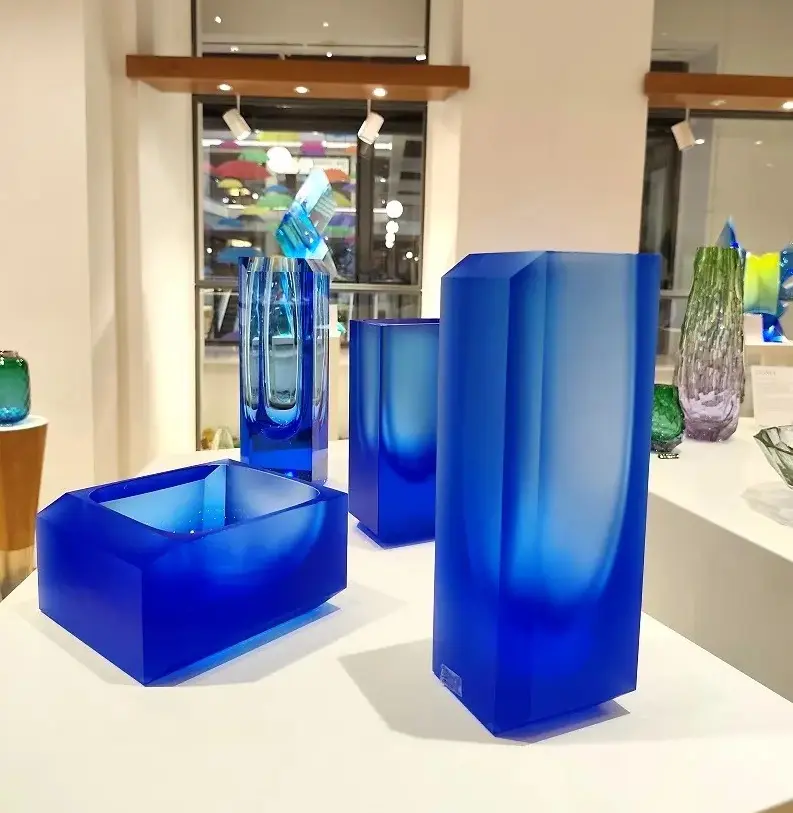
The “8th Wonder of the World” Exhibition, Mladá Boleslav
The next part of the study visit focused on the northern regions of Czechia, their technical achievements, and specific models for protecting the intangible cultural heritage of glassmaking.
We began the day with a visit to Mladá Boleslav and a unique exhibition titled “The 8th Wonder of the World.” This exhibition is dedicated to the glassmaking heritage and technological achievements of Northern Bohemia. Through rich historical documentation, archival materials, and selected exhibits, it provides a clear analytical overview of how and why Czech crystal earned its reputation as a global phenomenon. The exhibition was curated by Dr. Petr Nový, one of the most renowned Czech glass curators, an art historian, deputy director at the Museum of Glass and Jewellery in Jablonec nad Nisou. The exhibition was organized under the auspices of Crystal Valley, the Regional Development Agency, and the Liberec Region, in cooperation with the Jablonec Museum and the Municipal Cultural Center of Mladá Boleslav. The exhibition’s title stems from the idea that human imagination, courage, and craftsmanship created the Seven Wonders of the Ancient World. Through this display, exibition demonstrates that the unique, centuries-old concentration of glassmakers, engravers, schools, and designers in Northern Bohemia truly represents an eighth wonder of the world.

The exhibition presents Crystal Valley as the living glassmaking heritage of the Czech Republic. The conceptual strength of the exhibition is reflected in its division into five thematic modules that trace the phenomenon of Czech glassmaking. It all begins with the Memory section, which provides a historical look at the deep roots of glassmaking in Czechia dating back to Celtic times. This is followed by the Craft module, with a clear focus on superb manual skill, free-blown forms, and traditional glass processing techniques. The more rugged side of the phenomenon is highlighted in the Industry section, which showcases technological power, mechanized, and automated production, without which modern glassmaking would be unimaginable. The aesthetic pinnacle is displayed in the Art module, which celebrates glass art through exquisite sculptures and unique artistic objects. The story is visionary rounded off by the Future section, turning the spotlight toward young designers, ecological innovations, and completely new forms in glassmaking, proving that Crystal Valley is a living and unstoppable organism. This exhibition will be guest-hosted in Serbia during the Serbia Glass Week at the Czech Center Belgrade (October 15-December 15, 2026), as part of the celebration marking the 180th anniversary of glassmaking in Serbia.
Rautis, Ponikla
Our journey then took us further into the mountain village of Poniklá for a visit to the Rautis workshop. This family business is run by Marek and Barbora Kulhavý. Marek is a glassblower who took over the management from his father, Bohuslav Kulhavý, who became the owner after privatization in the 1990s and is credited with preserving the company. Rautis carries on the tradition of making blown glass beads, which dates back to the late 19th century in this location. At that time, more than 400 families in Poniklá and the surrounding area made their living by crafting glass beads and jewelry.
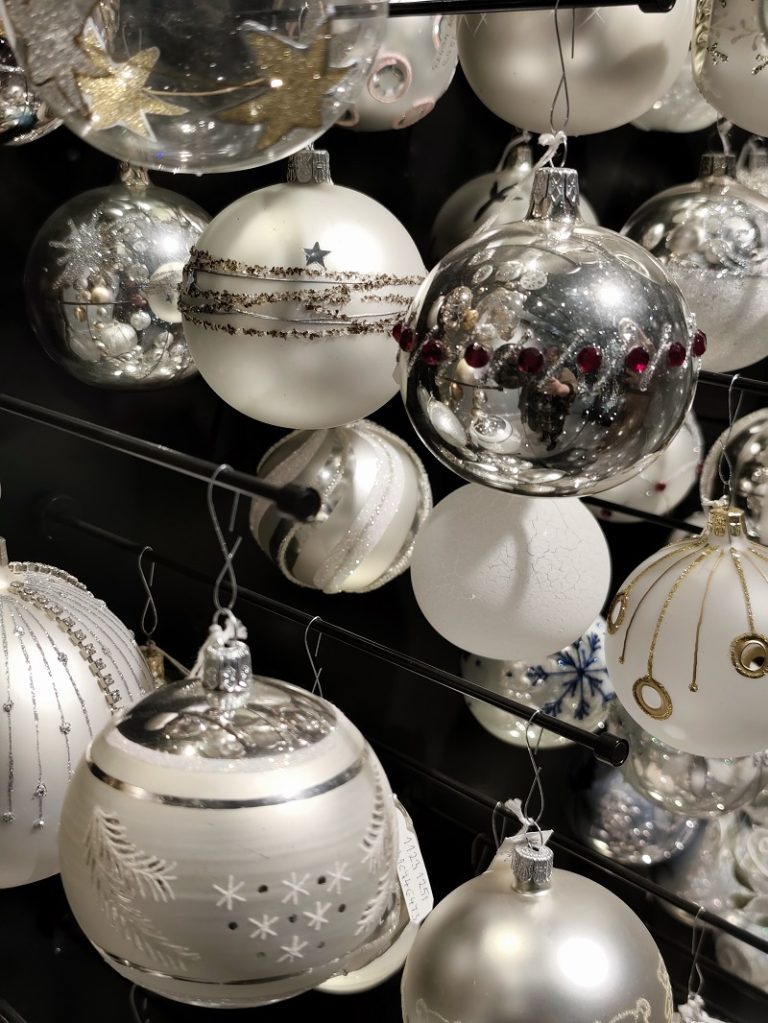
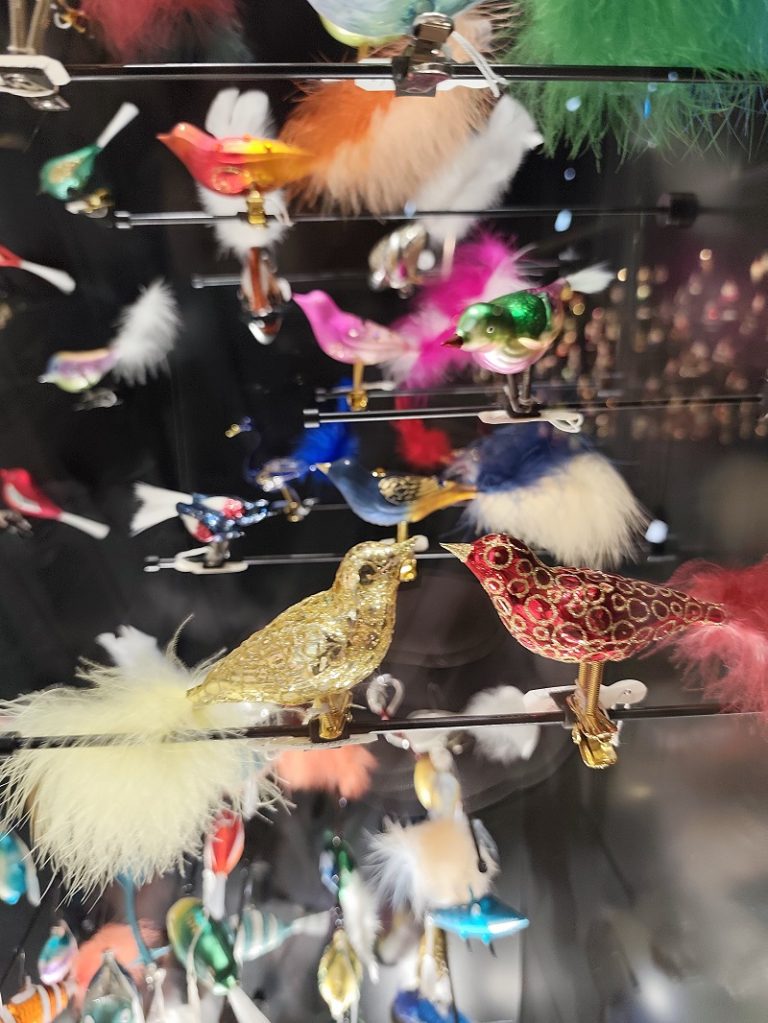
Today, Rautis is the only factory in the world that has fully preserved the authentic, manual production of Christmas ornaments made from blown glass beads. For this reason, this ancient craft was inscribed on the UNESCO Representative List of the Intangible Cultural Heritage of Humanity in 2020. Based on an authentic historical business model, Rautis’s unique operational structure functions as a “factory that goes home,” which is also one of the main reasons why UNESCO protected this specific decentralized labor system. The entire production is organized through a synergy between the central Rautis workshop and a network of local households. The company provides raw materials, such as glass tubes and molds, and distributes them to local blowers once a month. After they finish their part of the work, the blown glass beads are returned to the central workshop to undergo the demanding chemical processes of silvering and coloring, which must meet strict modern environmental and safety standards. Afterward, the colored beads are sent back to local cutters and threaders. In their own homes, they precisely cut the beads, string them onto wire, assemble the Christmas ornaments, and finally return them to Rautis, where they are packed and distributed worldwide. In this way, the tradition is kept alive while ensuring the livelihood of the entire local community. Rautis preserves over 20,000 historical patterns and ornament designs in its archives. Currently, around 30 households work for them. A visit to their workshop includes a demonstration of the entire manufacturing process across various production departments. Rautis also organizes workshops where you can make your own beaded Christmas tree ornament. Every year, about 30,000 tourists visit this village to learn about this unique technique of crafting glass Christmas ornaments. Interestingly, glass beads were originally used as decorations on Czech traditional folk costumes, a practice that has been maintained to a very small extent today.
The roots of glass bead production in Poniklá date back to the final decades of the 19th century, when glassblower Jan Hejna brought the craft to this place. The first official company was founded by Stanislav Horna in 1902. The story of how the ornaments themselves came to be is quite fascinating: the beads were originally intended exclusively for making jewelry, brooches, hatpins, and decorating folk costumes. However, when the fashion of decorating Christmas trees arrived in the late 19th and early 20th centuries, poor mountain glassmakers began stringing the beads onto wires, mimicking everyday objects. This led to the creation of miniature glass baskets, stars, teapots, and carriages, followed later by locomotives and airplanes.
Today, Rautis successfully blends this centuries-old craft with modern design. The company collaborates with contemporary artists, such as the LLEV studio and designer Tereza Drobná, to produce ornament collections that can be used year-round for various occasions. These ornaments even made it to Hollywood, where they were recently used for the filming of the movie Nosferatu (2024), directed by Robert Eggers, the Christmas tree in a wealthy 1830s household was decorated precisely with Rautis’s creations. For the film’s requirements, Rautis restored molds over a century old and used an antique wax-coating technique (without internal silvering) to give the ornaments a muted, vintage pearlescent tone specific to that historical period.


The Harrachov Glassworks (Novosad & syn)
We ended the day at the Harrachov glassworks. My host at this glassworks was the owner himself, Petr Novosad, who inherited the management of the facility from his father. He left the impression of a true enthusiast, someone who is fully aware of both the challenges in handmade glassmaking and upcoming trends, but also has a clear vision of how to connect the creative economy with the glass industry Founded back in 1712, this is the oldest continuously operating glassworks in the world. It is unique for having preserved its historical production methods, including an engraving workshop with its original water-powered drive. Their approach to industrial tourism is exceptional: visitors can walk freely along a platform directly above the furnaces and observe the master craftsmen working on the factory floor from up close.
The glassworks was founded on the private estate of the Counts of Harrach, a noble family that played a key role in the economic and cultural development of this region for centuries. The counts directly funded and oversaw the operations of the factory, which during the 18th and 19th centuries became famous for producing exceptionally high-quality crystal that could compete with English and Venetian glass.
In the second half of the 19th century, under the leadership of Count Jan Nepomuk Harrach, the factory experienced its golden age. Glass from Harrachov won gold medals at world exhibitions in Vienna, Paris, and Philadelphia. The brand became renowned for its innovations in glass coloring and introducing unique formulas for glass in gemstone colors (such as ruby red and uranium green) as well as for developing layered glass techniques and enamel decoration. After World War II, during the communist regime in Czechoslovakia, the glassworks was nationalized and became part of the state-owned enterprise Crystalex. Following the Velvet Revolution (1989), entrepreneur František Novosad purchased it in 1993, renamed it Sklárna Novosad & syn, and launched a major revitalization. He brought back the standards of a traditional family manufactory and diversified the business so that the factory became, among other things, a pioneer of industrial tourism in Czechia.
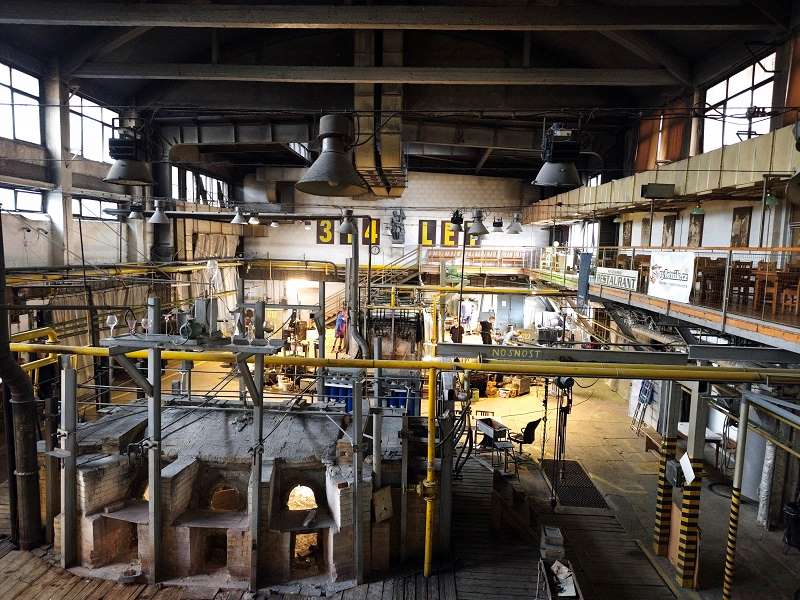

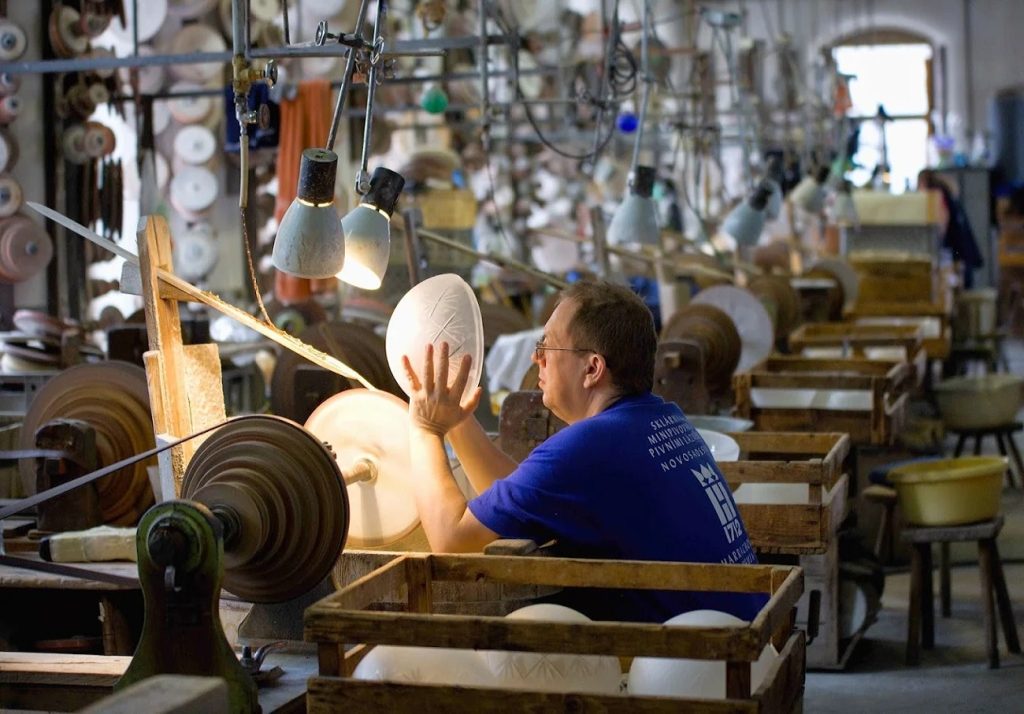
What makes Harrachov a valuable monument of industrial heritage is its historical glass-cutting workshop. It still utilizes a unique drive system built in 1895, powered by electricity from a hydroelectric plant. All the cutting wheels and machines are driven by a system of transmission belts and shafts connected to a water turbine. This is the only workshop of its kind in the world that remains in daily commercial use rather than serving merely as a museum exhibit.
In response to economic crises that also shake the glass market, František Novosad built the first glassworks microbrewery (František beer) inside the facility in 2002, with an attached restaurant positioned so that guests can look through a glass wall directly onto the factory floor with its hot furnaces. Later, a unique spa center was opened, offering beer baths made from spring water and glassmaker’s yeast an outstanding example of how heavy industry can be transformed into a successful tourist complex. The complex also houses the Museum of Glassmaking with more than 5,000 exhibits, representing the largest and most valuable collection of Harrachov glass in the world, ranging from samples produced in 1712 when the glassworks was founded to the very latest pieces. Particularly fascinating are the unique ruby red and cobalt-infused blue glass specimens, for which Harrachov was renowned throughout Europe. The museum also features an educational section displaying old tools, wooden molds used for blowing glass, and detailed descriptions of historical formulas and the chemical composition of the glass batch.
Pačinek Glass
The visit to the contemporary Pačinek Glass manufactory in Cvikov, founded by Jiří Pačinek—one of the most prominent Czech master glassmakers—was technically incredibly inspiring. Pačinek’s studio is world-renowned for its demanding freehand glass sculpting technique, where massive forms are manually pulled and shaped directly from the furnace using jacks and wooden blocks, without the use of any molds. Around this workshop and the church in its immediate vicinity, a monumental “Glass Garden” has been created, where instead of real flowers, wondrous, vibrantly colored glass sculptures of flora and fauna bloom from the ground.
Unlike Harrachov, which carries on a tradition from the 18th century, Pačinek Glass in Kunratice (Cvikov) represents a completely different, contemporary phenomenon of Czech glassmaking. It is a prime example of how a successful brand and an international art center can emerge from the creative vision and entrepreneurial initiative of just one man.
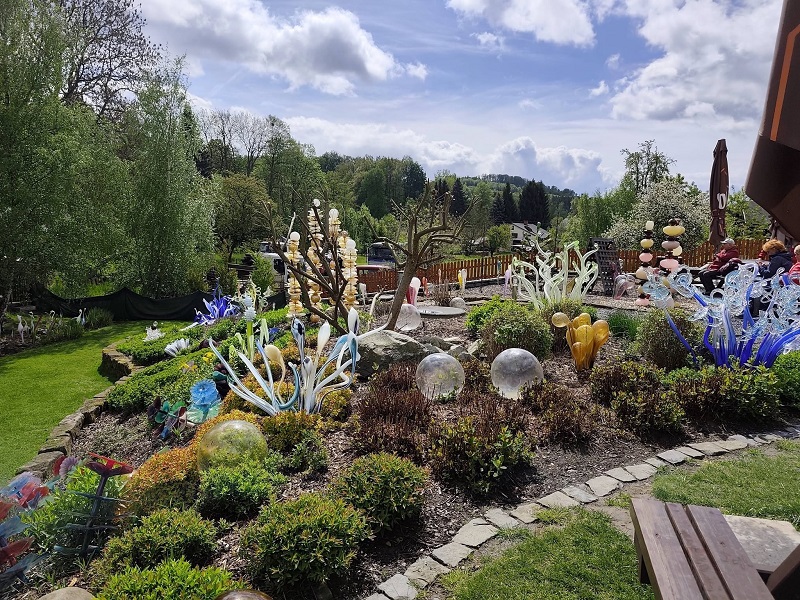
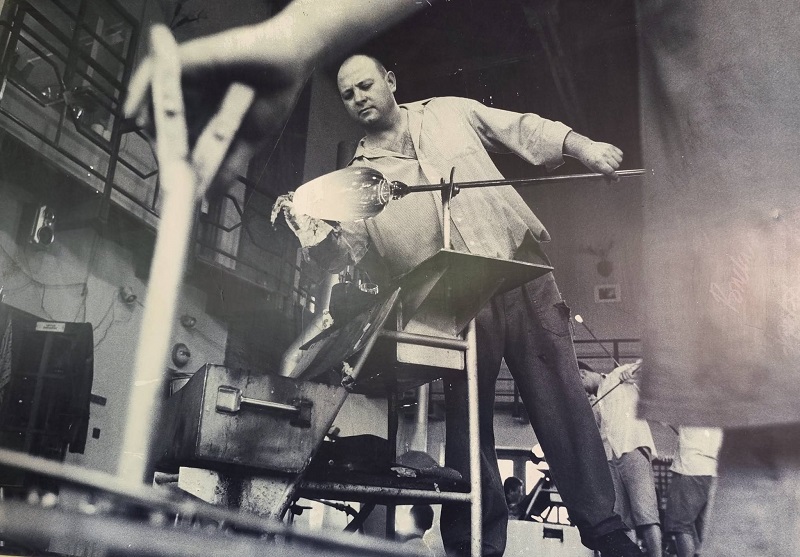

Jiří Pačinek is one of the most prominent contemporary Czech glass masters. Before launching his own business, he honed his craft in famous Czech glassworks, where he collaborated with legends like Bořek Šípek and René Roubíček, mastering the technique of so-called “hot sculpting” of massive glass, freehand and next to the furnace. He founded his first workshop in 2007 in Lindava, and the turning point for his company came in 2015 when he decided to create a unique, centralized glassmaking complex. That year, he purchased an old, abandoned farm estate in the heart of the Lusatian Mountains, in Kunratice near Cvikov. He completely renovated the old barn and accompanying buildings, transforming them into a state-of-the-art glassworks and art gallery.
The most significant commercial and historical breakthrough onto the global stage occurred when a Hollywood production hired him to work on the film Glass Onion: A Knives Out Mystery (2022), starring Daniel Craig. Pačinek and his team hand-blew and sculpted over 60 monumental glass pieces, including a massive glass arch, which formed the core of the set design for the movie filmed in Greece. Although nearly all the sculptures were ultimately destroyed at the end of filming as required by the script, this project launched the workshop’s name onto the global art scene and earned Pačinek the reputation of a master capable of executing the most complex, one-of-a-kind glass forms in the world.
Kultivar (Liberec)
Kultivar in Liberec is another important and distinctive hub in the Crystal Valley. The story of its creative concept began in 2004, when Klára Jägerová launched her own production of glass jewelry in the town of Kutná Hora. After discovering an interesting space in Liberec, she started Kultivar in 2016 as a broader cultural project, which included her glass workshop and was open to collaboration with other artists and hosting various events. Following a temporary closure due to pandemic restrictions, the project underwent a complete transformation in 2023 when Eva Jiřičková joined Klára, turning Kultivar into an independent, highly aestheticized, all-female glass workshop. The founders rightfully define their work as a social enterprise, as their business model is not based on maximizing profit, but rather on the principles of sustainable development, local employment, the use of eco-friendly materials, and directly reinvesting profits back into local community development and preserving a threatened craft. Today in Liberec, they handcraft unique jewelry series and minimalist interior design pieces using precise lampworking techniques, while simultaneously maintaining a live connection with the public by organizing interactive, educational workshops.

In addition to their socially responsible business model, their work is also notable for its eco-friendly approach to raw materials, as Klára and Eva upcycle glass in their workshop. They collect glass waste from large nearby factories and reshape it into luxury jewelry, proving that premium design and glass craftsmanship do not have to generate any waste. Furthermore, Kultivar’s visual identity and packaging fully align with this sustainable philosophy. Each piece of jewelry is packed in a biodegradable box made from recycled paper, which the founders assemble themselves.
They are officially registered as a social enterprise because they employ individuals who face difficulties finding work in the creative industries, and they reinvest their profits into preserving the craft, collaborating with the regional incubator Lipo.ink.
The Jaroš Glassworks (Café Paceřice)
We ended the day at the Jaroš glassworks (Café Paceřice). This space successfully implements a hybrid business model, operating as a coffee shop with active glassmaking workshops. It beautifully combines coffee culture with an intimate, tactile experience of the glassmaking craft. Along with his family and a few colleagues, the space is run by Miroslav Jaroš, a master glassmaker with decades of experience in the glass industry. The entire project is the expression of his long-standing desire to completely demystify his craft and bring it closer to the everyday visitor through the concept of an “open workshop.” He specializes in smaller decorative and utilitarian glass art, while also producing components for other glass manufacturers on a custom basis. Their focus is on handcrafting unique glass figurines of animals and flowers, as well as cups, jewelry, and seasonal ornaments. This place is well-known for offering tourists and beginners the opportunity to take the blowpipe themselves, sit in the glassmaker’s chair, and try blowing their very first glass object under the supervision of Miroslav Jaroš.


The Museum of Glass and Jewellery
We visited the Museum of Glass and Jewellery in Jablonec nad Nisou, founded in 1904 and highly specialized in the history of glass jewelry, beads, and ornaments. My host was curator Dr. Kateřina Hrušková, who guided me through the museum’s button collection and shared a piece of this collection’s charm with me.
This cultural institution is unique in the world, housing a collection made up of an incredible 12 million unique items. Situated in a beautiful Art Nouveau building from 1904 (the former glass export office of the Zimmer & Schmidt company), the museum complex was expanded in 2020 with an impressive glass annex shaped like a cut crystal stone, which was named Building of the Year in Czechia. The curatorial team, led by director Milada Valečková, was also credited with the nomination of the knowledge, craft, and skills of handcrafted glassmaking for inscription on the UNESCO Representative List of the Intangible Cultural Heritage of Humanity.

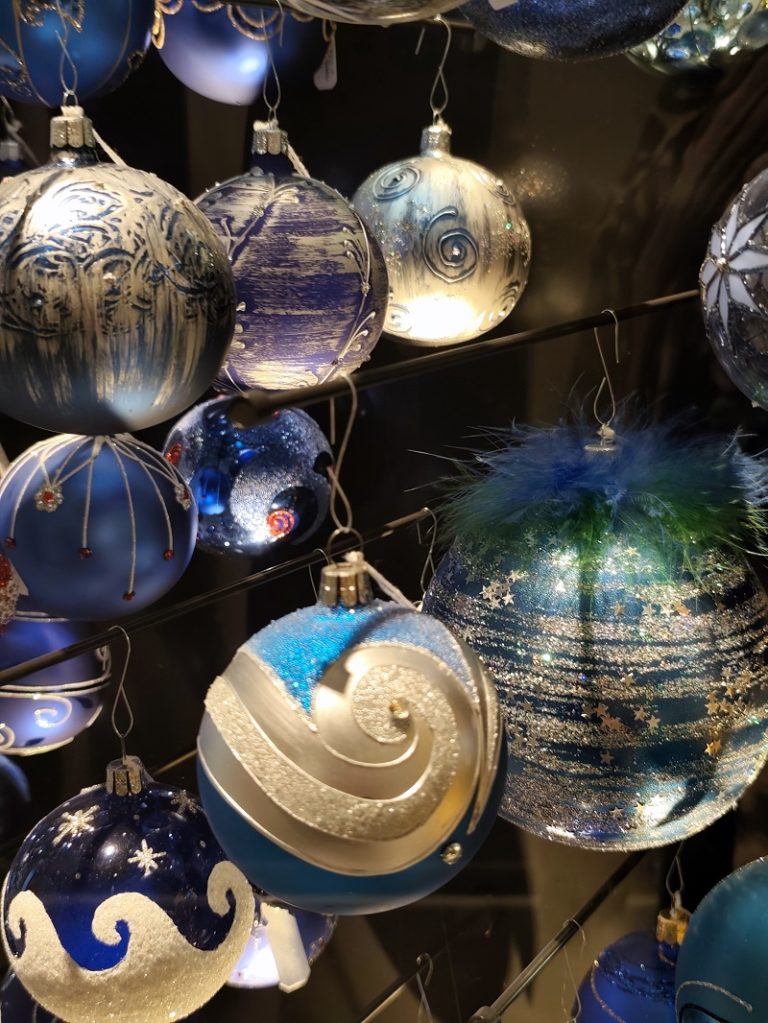
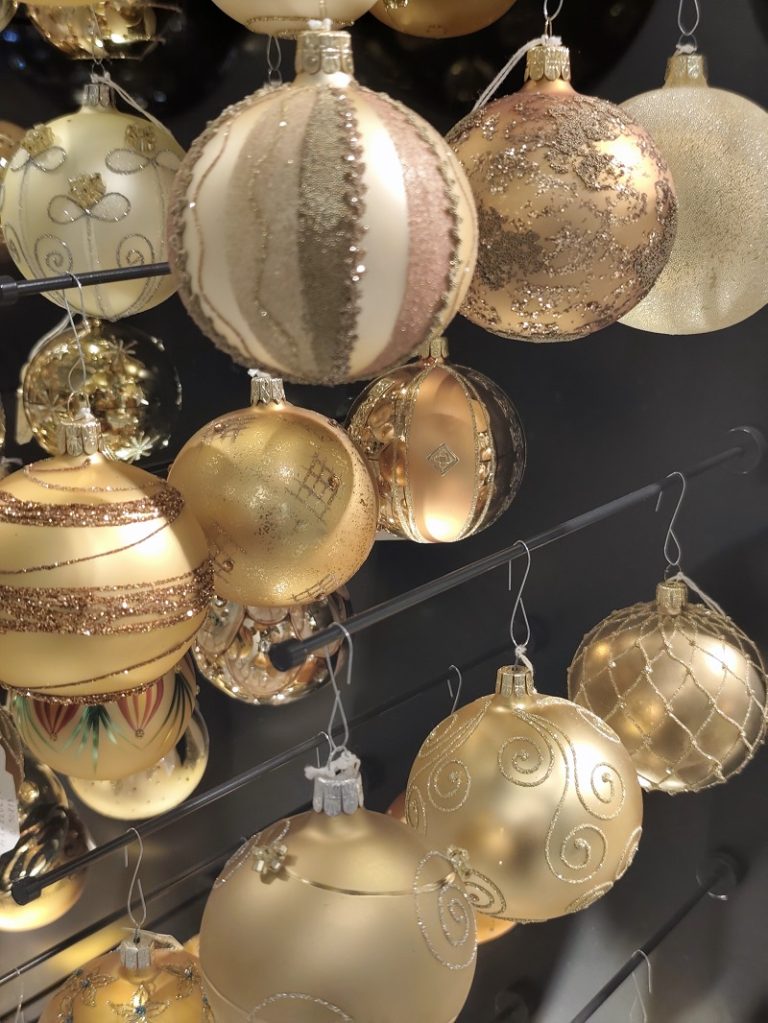
Inside the museum, there are three permanent exhibitions arranged across different levels. On the first floor, “The Endless Story of Jewellery” traces the historical development, manufacturing techniques, and European dominance of Czech costume jewelry, glass beads, and buttons. The second floor is reserved for the exhibition “The Magic Garden-Seven Centuries of Czech Glass,” which documents the development of the glass industry in Czechia. The true visual and emotional highlight, known as the “World of Wonders” (WoW), is located in the modern, basement section of the building, which showcases the largest public collection of glass Christmas and New Year ornaments in the world, featuring over 15,000 exhibits. Beyond its exhibition spaces, the museum functions as an active cultural hub for Crystal Valley. It regularly organizes professional jewelry-making courses and interactive workshops for bead stringing and metal engraving, and it also manages the Kristiánov historical site in the Jizera Mountains, the only preserved building of a former 18th-century forest glassmaking settlement.
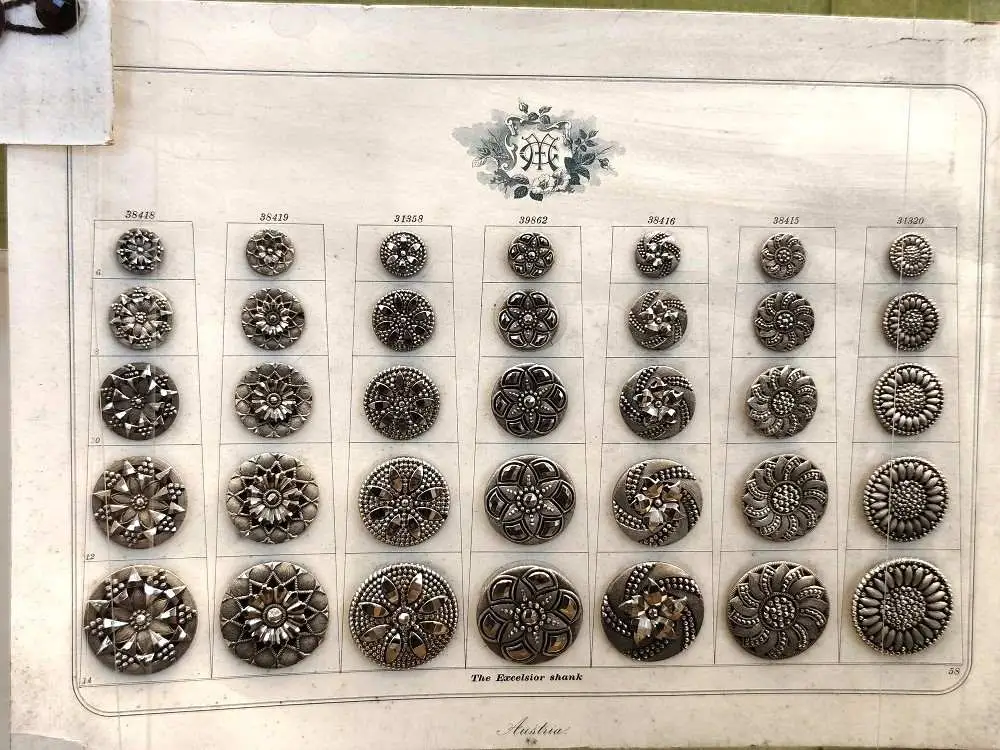
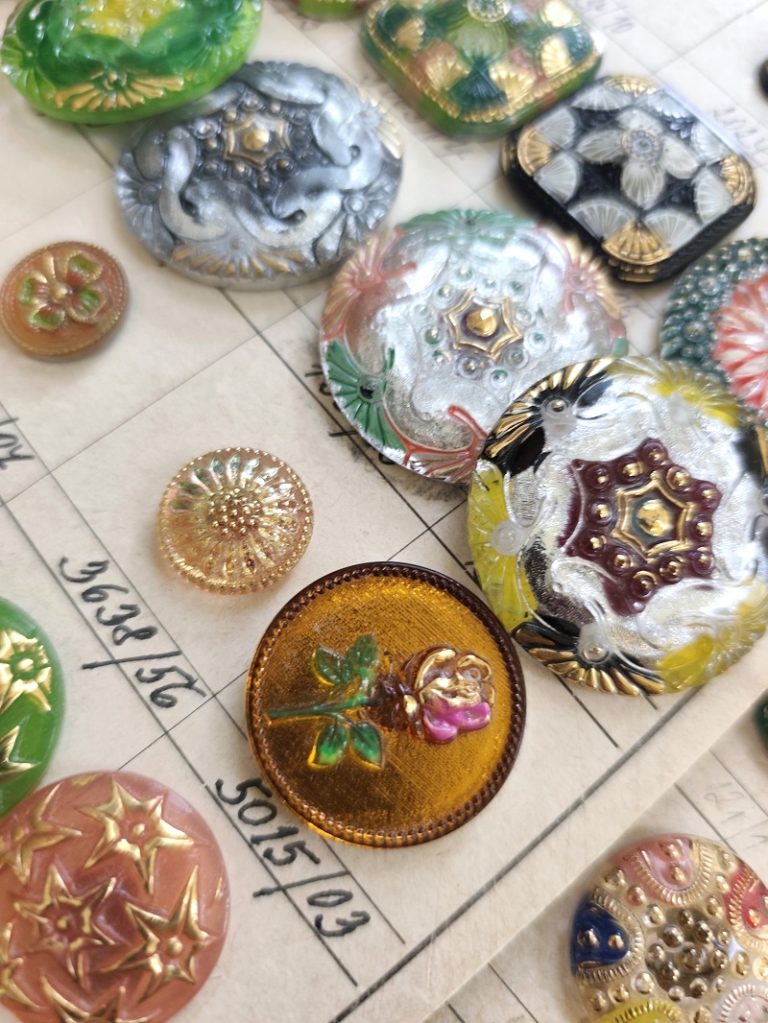
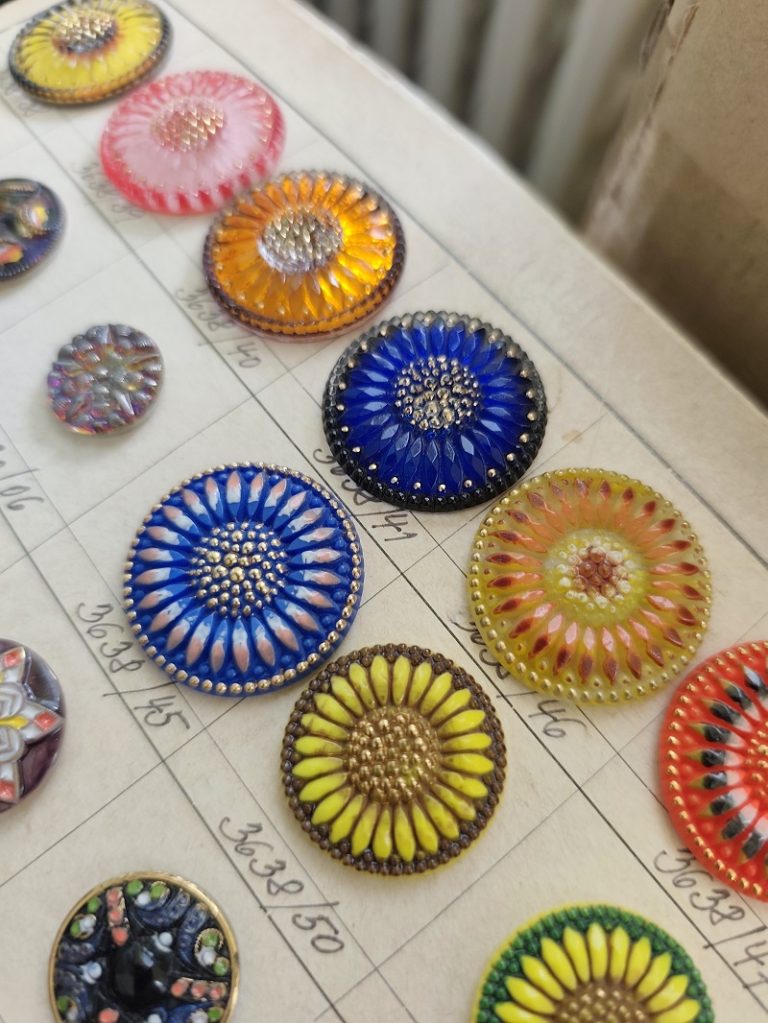
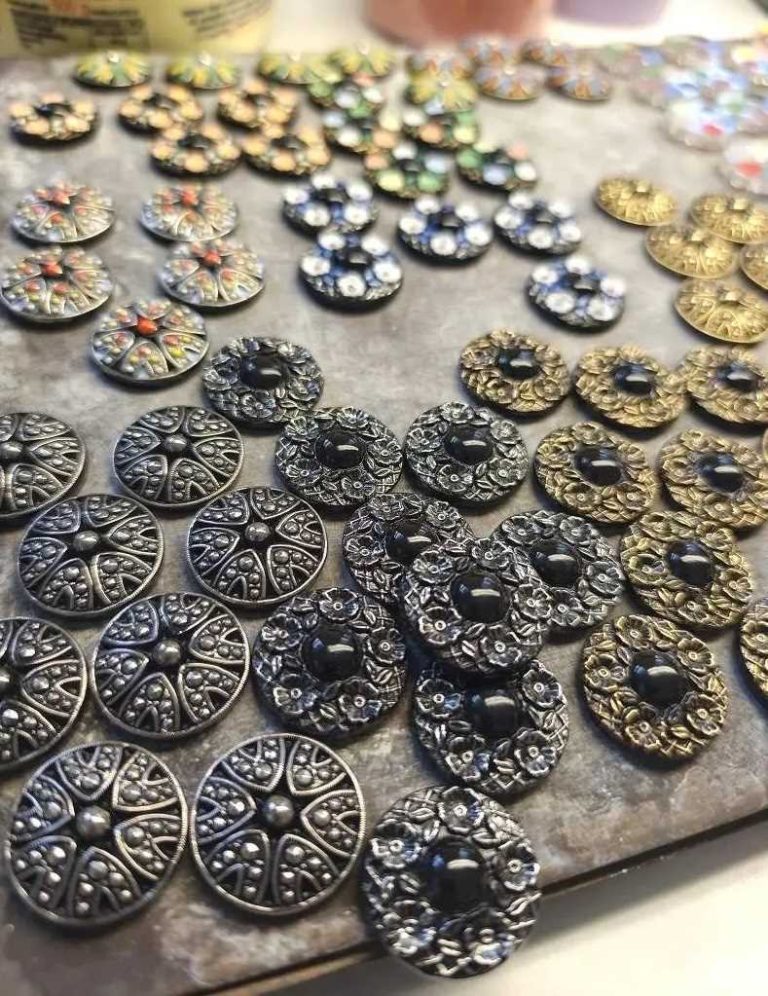
One of the most fascinating parts of the museum is the collection of glass and metal buttons. The production of such buttons in the Jablonec region and Crystal Valley reached its historical peak during the 19th and the first half of the 20th century, when this area supplied as much as two-thirds of the global market and dictated international fashion trends. It all began with the application of the technique of pressing molten glass into metal molds, which allowed for mass, yet still exceptionally precise, manufacturing of buttons in a wide variety of shapes. Local craftsmen then transformed these ordinary, utilitarian objects into luxury haute couture details through hand-painting, gilding, and faceting (edge grinding). A major historical turning point came with industrialization, which enabled the development of so-called “black buttons” buttons made of black glass that became a global sensation following the death of the British Prince Albert in 1861 and the court mourning introduced by Queen Victoria. The intensive production of glass buttons created an entire network of home-based family workshops and large export companies, making this product, alongside beads and costume jewelry, the backbone of the economic power and cultural identity of the entire North Bohemian region

This unique industrial boom was accompanied by a fascinating social dynamic, as button production established a strictly divided labor system in which the entire region lived to the rhythm of glass. While men handled the heavy labor of melting and pressing the raw material in large factories and glassworks, the final, most delicate processes, such as hand-painting miniature details, mounting metal shanks, and carefully sewing buttons onto sales display cards were traditionally left to women and entire families working from home. Jablonec buttons were not merely clothing components; they were status symbols and export flagships that reached the fashion salons of Paris, London, and New York, as well as remote tribes in Africa and South America, who used them as currency. Although global crises and the advent of cheap plastic in the second half of the 20th century put an end to this mass production, the tradition has survived through unique collector editions, bearing witness to a time when this small Czech region literally buttoned up the world’s fashion elite.
The visit coincided with the opening of the Jablonec Triennial 2026, which offered an overview of contemporary trends in the world of costume jewelry, industrial glass, and studio design, where glass is increasingly combined with new technologies and ecologically sustainable materials. This international triennial (Mezinárodní trienále skla a bižuterie) represents the most important and largest exhibition event of its kind in Czechia, traditionally organized by the Museum of Glass and Jewellery every three years. The Triennial tracks the evolution of glass design through several thematic sections, contrasting commercial and industrial production with unique, experimental art forms and contemporary conceptual jewelry. For visitors and professionals alike, this event transforms the entire town of Jablonec into a hotspot of contemporary creativity, celebrating the unbroken continuity and inexhaustible innovation of the Czech and European glass scene through the main exhibition at the museum, as well as numerous accompanying displays in local galleries.
The roots of the International Triennial of Glass and Jewellery in Jablonec date back nearly two centuries, to when local costume jewelry manufacturers first began showcasing their products at world exhibitions in Vienna, Paris, London, and other major centers as early as 1829. The tradition was further solidified in 1965 with the staging of the First International Exhibition of Costume Jewellery, which confirmed Jablonec as one of the global centers of fashion jewelry production, while from 1968 onward, the event transitioned into a triennial format. Over the following decades, the exhibitions grew into one of the most prominent international showcases for Czechoslovak glass and costume jewelry, drawing exhibitors from numerous countries. Following a hiatus caused by the political and economic changes after 1989, the event was revived in 2008 under its current name-the International Triennial of Glass and Jewellery.
An interesting fact regarding this triennial is the participation of the Paraćin glass factory in the Jablonec glass and porcelain exhibition. Launched in 1973 as a regular addition to the famous jewelry exhibitions, this event saw only three editions before being discontinued. Its peak was the 1979 exhibition, which featured some of the most prominent Czech glassworks alongside the glass industry of the Eastern Bloc. At Jablonec ’79, some of the most significant 20th-century Czechoslovak glass and porcelain designers exhibited their work, including Jaroslav Ježek (porcelain designer), Rudolf Jurnikl (a master of pressed glass), Miloslav Klinger, Eva Švestková, and others. The Serbian Glass Factory was represented by the works of Aleksandar Portnoj, Dimitrije Gvozdenović, and Cvetanka Vukobratović, with an exhibition collection featuring antique glass, opal tehniques and turquoise glass. At this exhibition, Cvetanka Vukobratović was awarded the “Jablonec ’79” medal for her set of vases. For the designer herself, participating in such a prestigious international showcase was an exceptional success, and the award held special value as her work was measured and highly valued alongside the greatest world masters of the time. In local newspapers from that time, Vukobratović described her award-winning concept as a series of forms that, beyond production, function perfectly in everyday use while maintaining lasting aesthetic value as decorative objects. Today, the museum preserves photographs of the exhibited works by the Serbian Glass Factory and its designers
The Glass Button for Good Luck
In the Czech glassmaking tradition, especially in the Jablonec and Jizera Mountains region, a glass button is also an amulet, an object that brings good luck, with the legend itself rooted in the unique nature of the local button-making craft.
According to an old belief among Czech glassmakers, every hand-pressed glass button carries a special kind of magic, as it is created by combining the four basic elements of nature: fire from the glass furnace, earth from which the glass sand is quarried, air that cools the glowing mass, and the human hand that gives it its final shape. The legend goes that old masters, while pressing molten glass into metal molds at night in their home “kitchens”, believed that the first button from a new batch, or one that accidentally dropped to the floor before annealing completely, attracted good fortune and protected the house from fire. For this reason, it is still believed in Czechia today that finding or receiving an original glass button from the north of the country as a gift brings financial stability and “buttons up” luck for the person wearing it. This tradition mirrors the general European belief that meeting a chimney sweep brings luck if you hold onto a button at that moment, but in Czechia, the luck was considered twice as great if that button was made of shimmering Jablonec glass.
AG Plus: Where Glass Buttons Are Made by Hand
Our tour then led us to AG Plus, the main successor and custodian of the tradition of producing glass buttons and costume jewelry components in this region. Founded in 1991, this family business managed to save and revitalize the authentic technology of pressing and hand-finishing glass buttons, for which Northern Bohemia was globally renowned for centuries. Today, AG Plus is valued worldwide for its unique glass buttons, which are still crafted using historical metal molds and then hand-painted, gilded, and decorated with fine details for haute couture and historical costume restoration. With a portfolio with significant number of different products, ranging from luxury buttons to the smallest jewelry elements and beads, this company blends the skill of old masters with modern environmental standards, proving that the Jablonec tradition of “buttoning up the world” thrives well into the 21st century.
The company owns and actively uses a unique historical collection of over 20,000 original tools and steel molds. Some of these molds date back to the early 20th century and were acquired from the former state-owned “Bižuterie” plants following privatization in the 1990s, enabling the company to produce authentic replicas of glass buttons from all historical eras. At the core of their production is the traditional process of heating a glass rod to a glow at temperatures between 800 and 1,000 degrees Celsius and manually pressing the softened glass mass using a mold. After cooling, each button undergoes a centrifugal tumbling process in drums to remove sharp edges, before being handed over to decorators. They apply techniques such as high-gloss finishing, frosting, painting with gold and platinum, or vacuum metallization (applying a thin layer of metal onto the glass to achieve a mirror effect or rainbow-like light refraction).



Nisa Factory: The Power of Partnership Between Industry and the Civil Sector for the Promotion of Glassmaking
The impressive Nisa Factory complex is located in the building of a former textile spinning mill, where intensive production of various fabrics took place from the first third of the 19th century until the early 1950s, the last of which was a printed artificial silk material with floral and geometric motifs. Today, this space houses a dynamic cultural center and a design hub and have also traditional production cut beads.
The factory complex itself hides incredible architectural and natural features that bear witness to its origins back in 1798, when it functioned as the first textile spinning mill in the area, powered exclusively by the force of the White Nisa (Bílá Nisa) River. Recently, during a major, long-term reconstruction of this ruined industrial space, through which the current owner, Zuzana Slámová, rescued it and transformed it into the largest private contemporary art gallery in northern Czechia, monumental original wooden pillars and beams supporting the roof of the former spinning mill were uncovered (the longest measures an impressive 18 meters and was crafted from a single tree trunk). Today, the heart of this complex has been transformed into a living bead museum (Muzeum korálků) where you can also visit process of production of but beads and the workshop of the G&B beads company, where visitors can peek into the so-called “bead kitchen”, see 19th-century machines used for cutting glass rods, and walk past a 35-meter-high factory chimney that has long ceased emitting smoke from steam engines. The company develops these initiatives in cooperation with the Nisa Factory Association, which is responsible for cultural programming and the interpretation of industrial heritage


During the production of cut beads in the 19th century, a major change in the workflow was brought about by the glass-pressing technique. Unlike cutting glass tubes, this technique uses a solid glass rod that is heated over a burner until it becomes as elastic as chewing gum, and is then simultaneously shaped into a bead and pierced through the center using pliers. This technique enabled the manufacturing of the most intricate shapes, ranging from imitations of precious stones to beads shaped like flowers, leaves, and animals.
G&B beads owns this property and is a direct successor to the traditional production of Czech beads, with an assortment that includes pressed beads of all types and shapes, the famous Czech seed beads (rokajl), fire-polished beads, lamp work beads, and imitation pearls. Today, it owns the largest factory for glass bead production in Czechia.
One of its main technological advantages lies in its fire-polished beads. This technological process combines machine grinding with traditional thermal polishing. After the beads are machine-grinded to gain shimmering faceted edges, they are briefly placed back into a scorching furnace. This slightly melts the surface of the glass, removing micro-scratches from the cutting process and giving the beads their characteristic deep, crystal brilliance and smoothness to the touch, for which Czech beads are world-famous
How This Visit Contributed to the Further Development of the "Creative Glass Serbia" Initiative
This study visit confirmed that the Czech model demonstrates how the glass industry cannot survive in the long term solely as an industrial branch, but must instead be integrated into cultural tourism, the contemporary design scene, and national identity. In Czechia, the glassmaking tradition is successfully developed through a creative economy model, within which two complementary directions are clearly visible: the preservation and valorization of cultural heritage on one hand, and the development of creative and entrepreneurial models that connect glassmaking with tourism, design, and experiential content on the other.
The study visit made it possible to gather invaluable experiences and examples of best practices ranging from models of safeguarding intangible cultural heritage through the inscription of specific elements on the UNESCO list, such as the practices in Poniklá, to successful hybrid business models that link glass production with hospitality, various levels of education, and experiential tourism. These findings will serve as concrete guidelines for the further development of our initiative and the preservation of glassmaking heritage in Paraćin, as well as for researching innovative connections between industrial heritage and contemporary creativity. During the visit, new contacts were also established with Czech institutions, museums, glass manufacturers, and designers, which represent a foundation for future joint projects and knowledge exchange. The first concrete results of this collaboration will be presented as early as October 2026, as part of Glass Week in Serbia. This event is part of the “Creative Glass Serbia” initiative’s efforts to revive the visibility of the glassmaking tradition, strengthen international cooperation, and create conditions for the long-term development of contemporary creation and design based on industrial glassmaking heritage. In 2026, the event will also carry a special symbolic significance, as it marks the 180th anniversary of the beginnings of organized glass production in Serbia. It was precisely Czech master craftsmen and experts who, in the mid-19th century, laid the foundations for the development of modern glass production in Serbia, which is why cooperation with Czechia today represents not only an exchange of contemporary experiences, but also the continuation of historical ties spanning nearly two centuries.
Photos: H. Mikić, curiosity of Ruckl, Harrachkov staklara, Qubus studio, Nisa Factory,