Creative Glass Lab 2026: Upcycling packaging waste
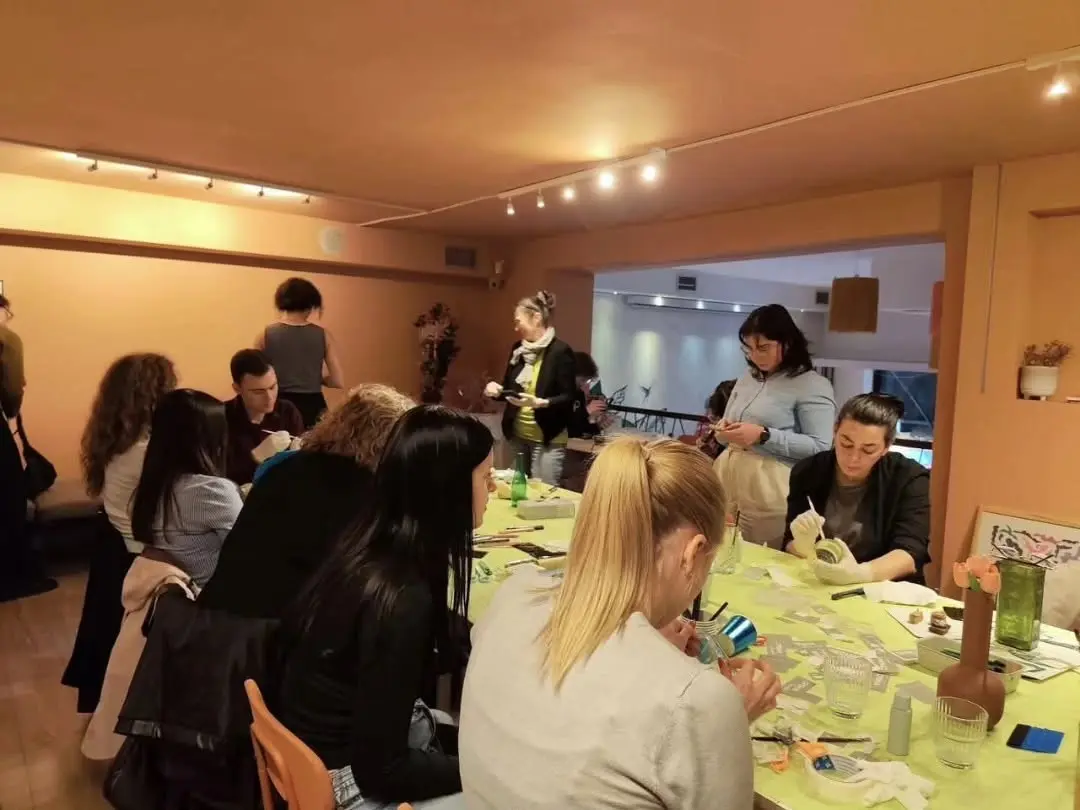
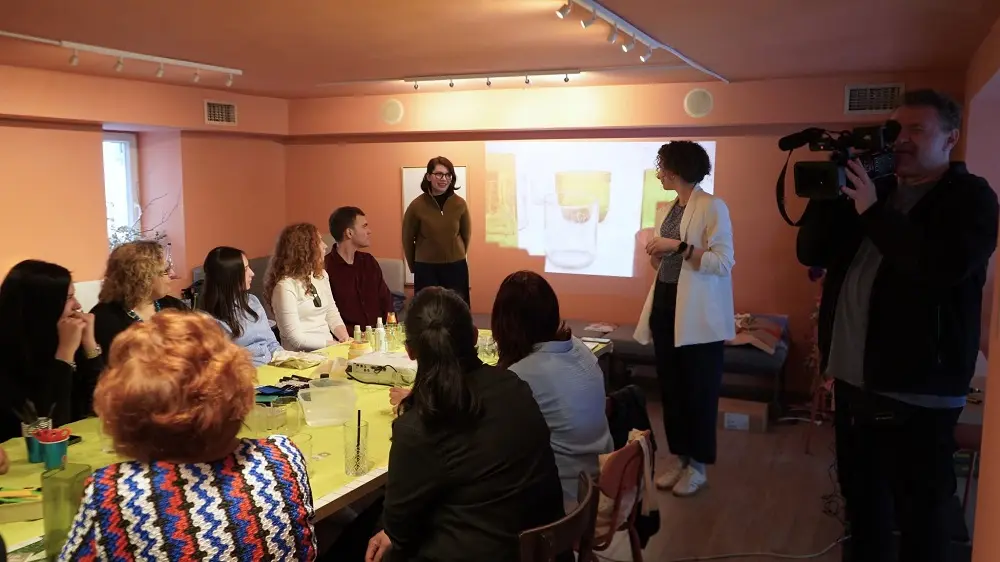
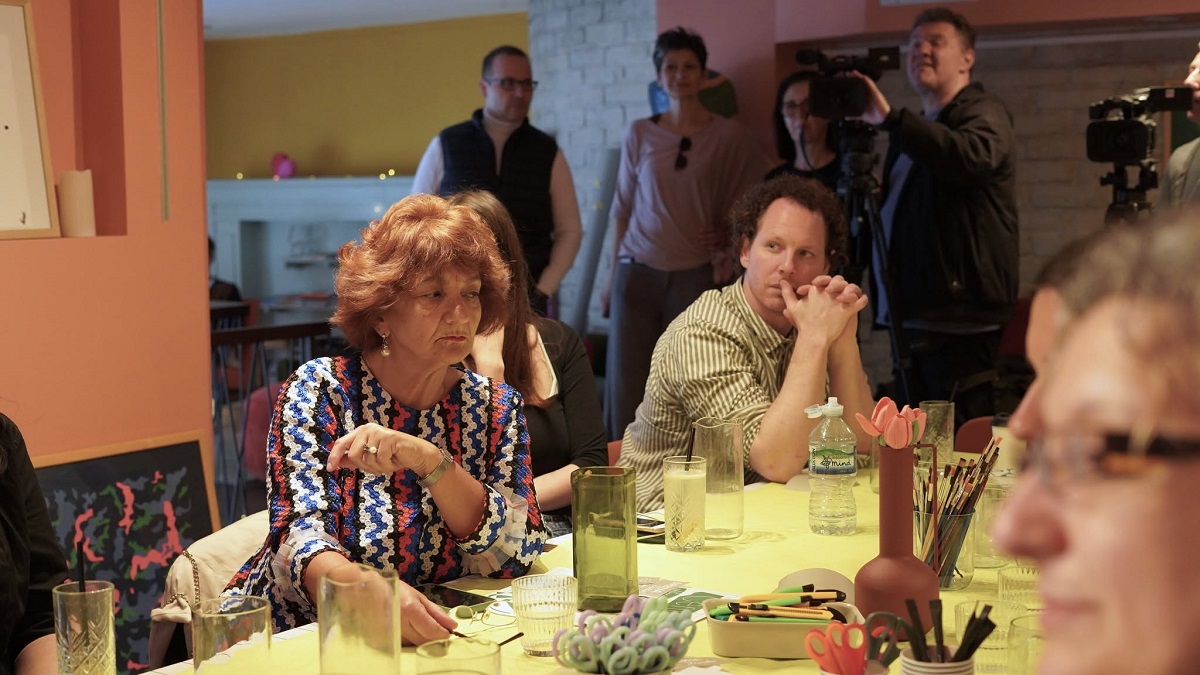
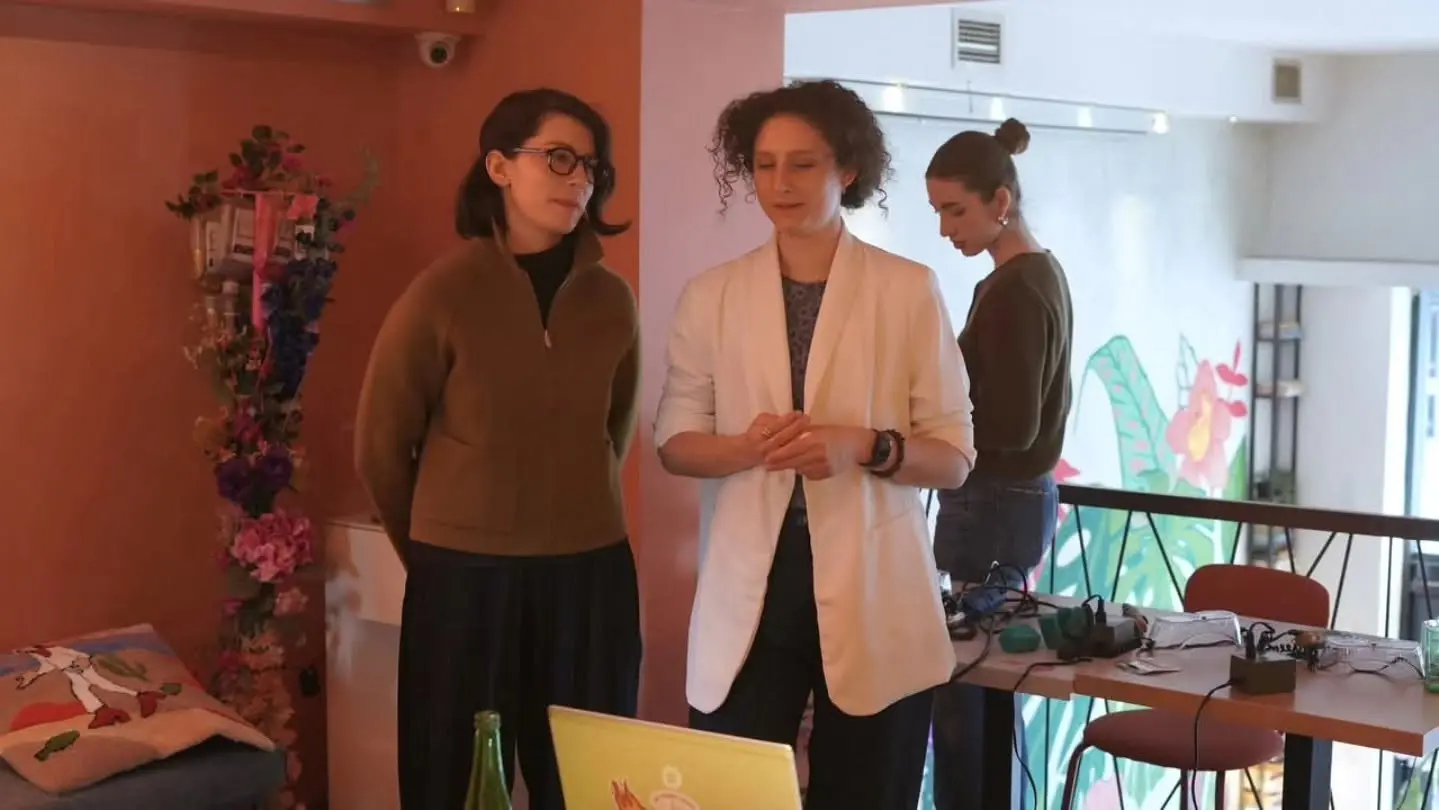
On April 21, 2026, the “House of Artists” (Kuća umetnica) in Belgrade hosted the Creative Glass Lab workshop, bringing together participants interested in creative recycling and traditional glass-processing techniques.
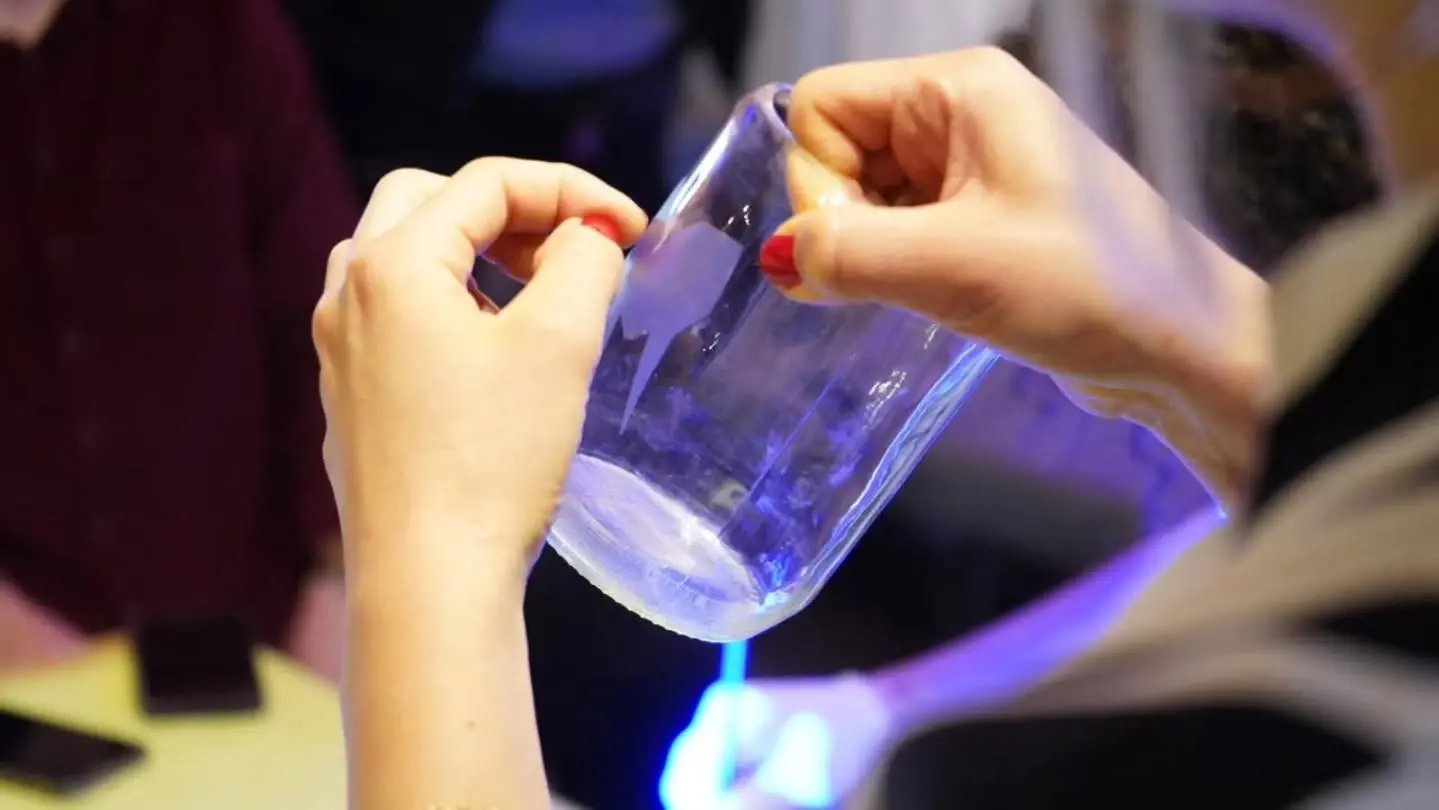
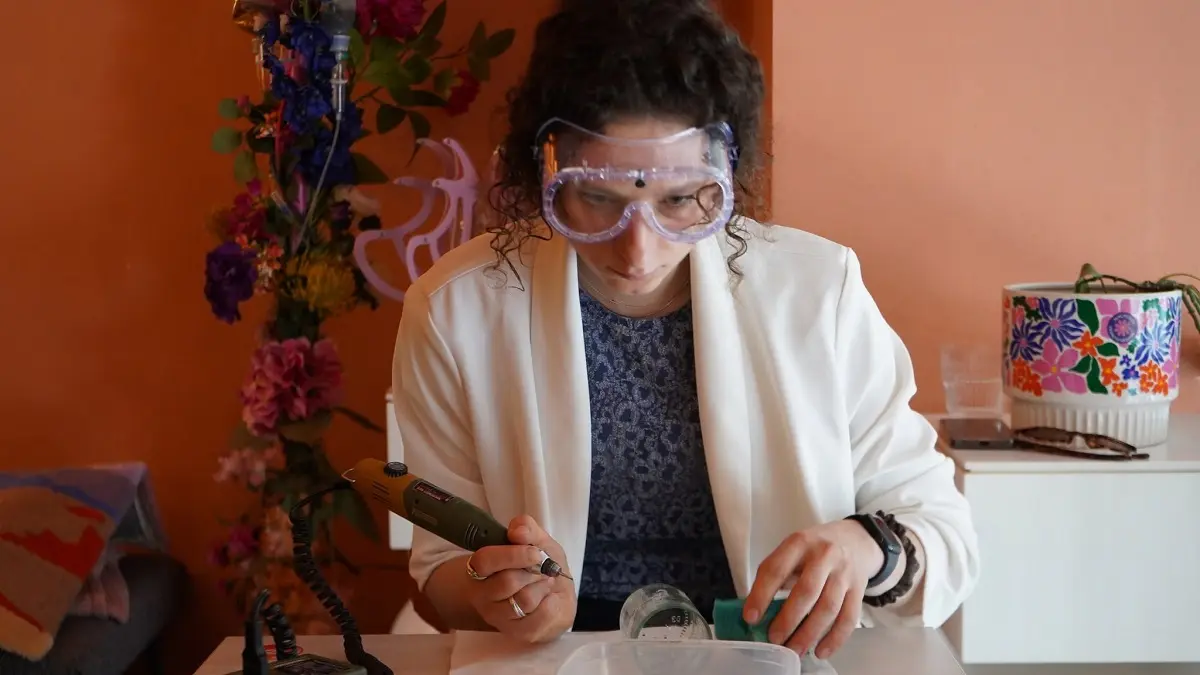
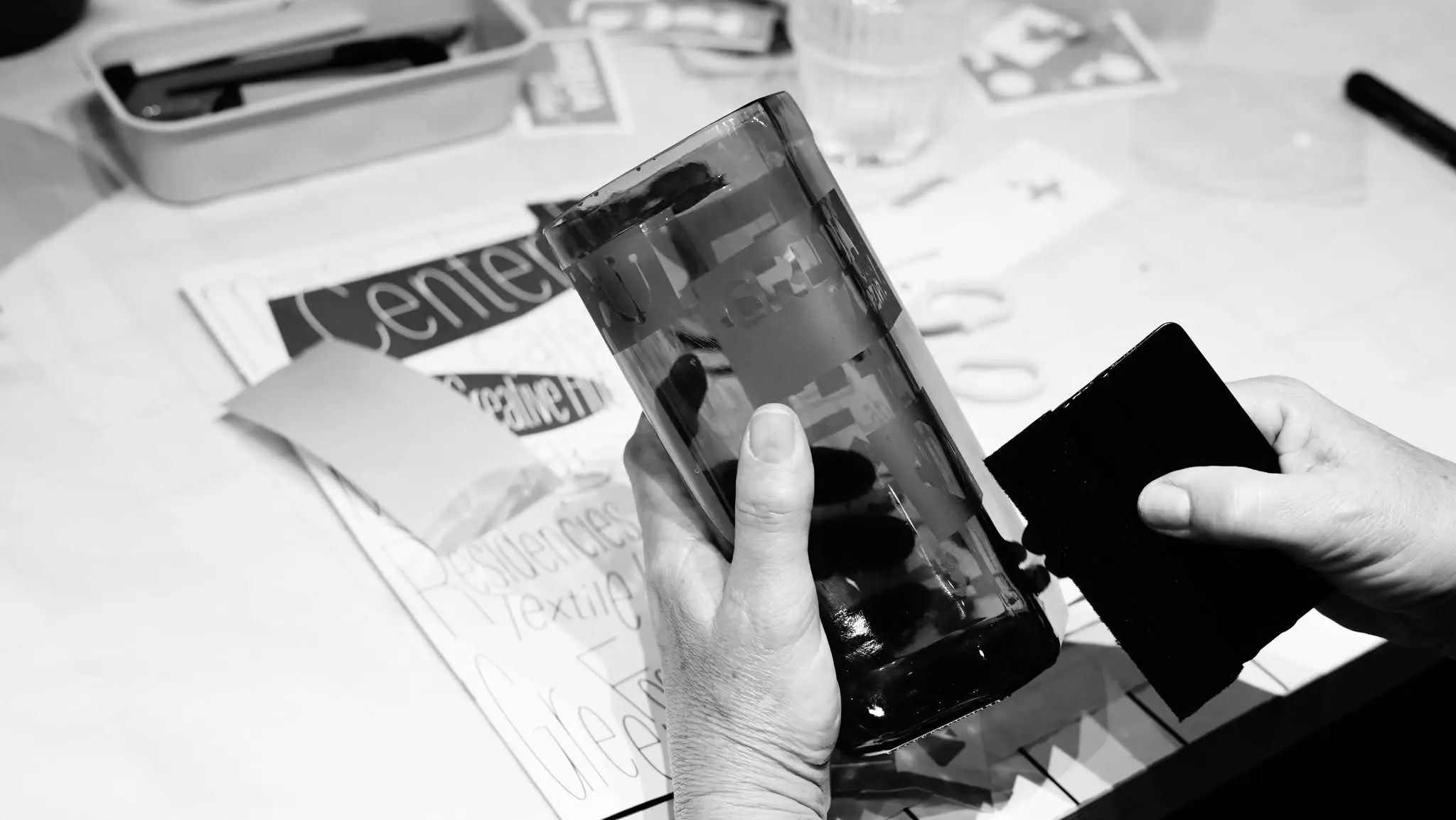
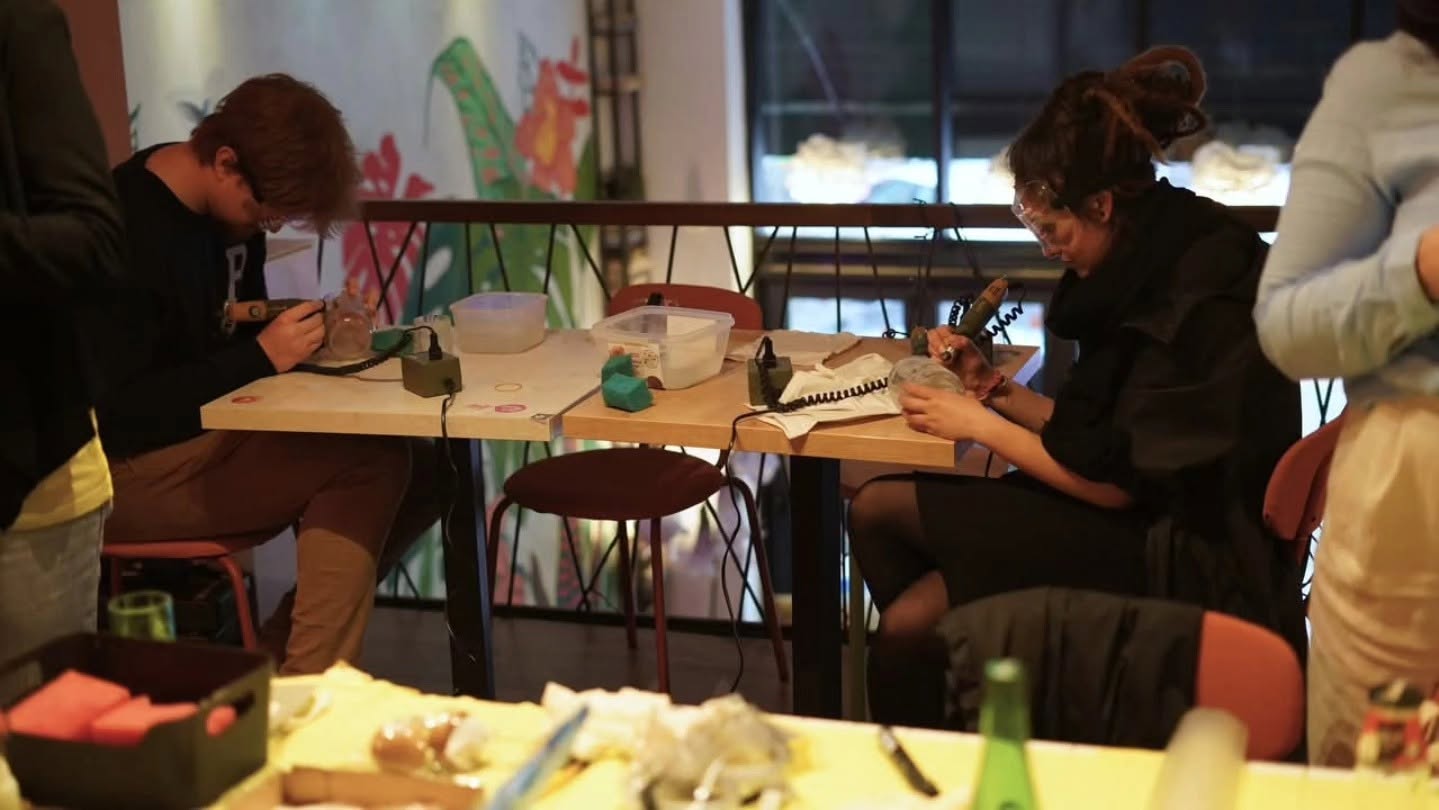
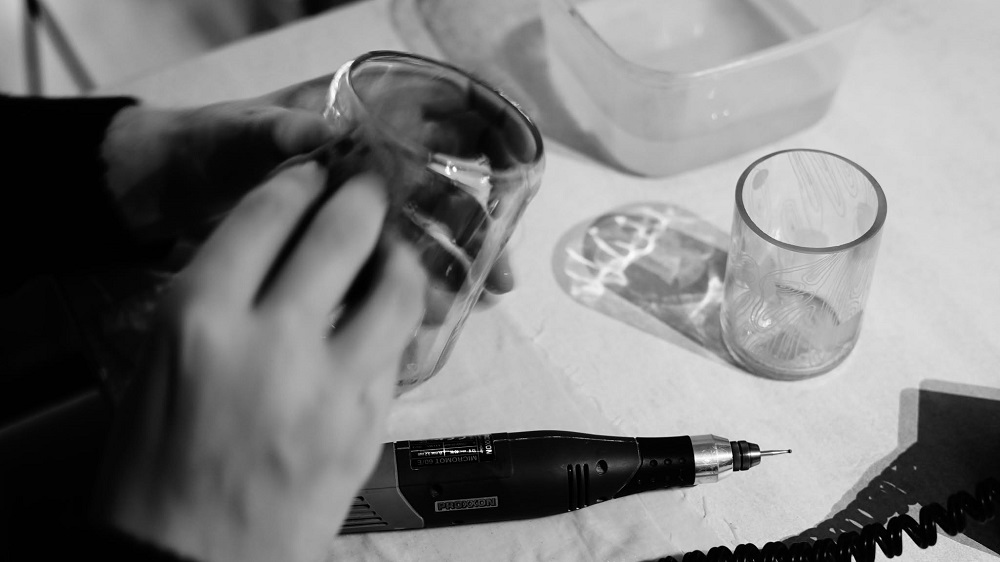
During the workshop, participants learned how to turn discarded glass bottles and jars into unique, functional, and decorative items like vases and glasses. Through hands-on practice, they explored cold glass processing techniques, including grinding, engraving, and etching, as well as glass painting and creating decorative patterns and embossed textures. Under the expert guidance of their mentors, the participants applied various approaches to glass reuse, drawing inspiration from traditional Paraćin and Slovenian techniques and motifs to develop new creative solutions.
The workshop was led by Brigita Gantar from Center Rog, alongside Meta Mramor and Hristina Mikić from Creative Glass Serbia. They demonstrated how to transform glass waste into functional and aesthetically valuable objects, while highlighting the importance of preserving industrial heritage through contemporary creative practices. Participants also had the opportunity to calculate the carbon footprint of their work using the GlassArt calculator.
The workshop once again proved that combining traditional skills, innovative approaches, and sustainability can drive the development of new creative practices and raise awareness about the importance of glass reuse. This activity was organized as part of the “Glassmaking Tradition Meets Innovation” project, funded by the European Union and implemented by FREN, Center Rog, the Institute for Creative Entrepreneurship, and Museum Sydøstdanmark.


This dissemination activity is the part of the project “Glassmaking Tradition Meets Innovation”.
Funded by the European Union. Views and opinions expressed are however those of the author(s) only and do not necessarily reflect those of the European Union or the European Education and Culture Executive Agency (EACEA). Neither the European Union nor EACEA can be held responsible for them.